There was a point when JÖRO felt like a mistake.
The restaurant that last week was deservedly awarded South Yorkshire’s first Michelin star began with empty tables, blunt criticism from sceptical diners and two owners wondering whether they had gambled everything for nothing.
“We were dead,” Luke French recalls. “Some weeks I could count the guests on two hands.”
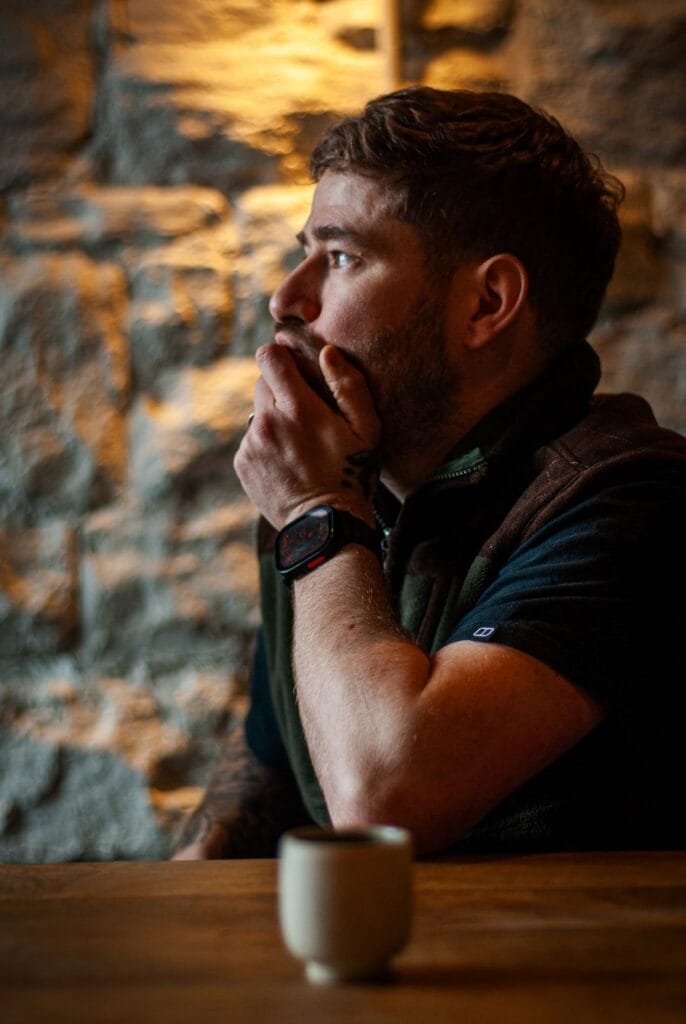
Those early months were defined by risk and resilience. Stacey Sherwood-French didn’t take a wage for two years. Luke went without a salary for one. They had left the relative security of a successful business to create something different in Sheffield: modern, ingredient-led, globally influenced cooking in a city that, at the time, leaned heavily towards pubs and price-conscious dining.
“People told us it wouldn’t work,” Stacey says. “We had guests come in, look at the menu and tell us straight it was too much for Sheffield. But we knew we had more to give.”
It wasn’t arrogance. It was belief.
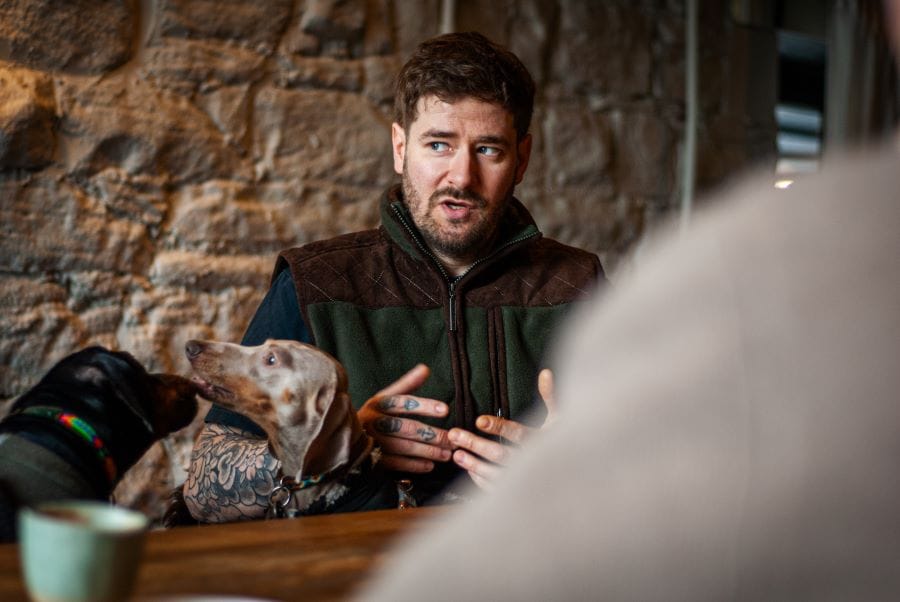
For Luke, that belief had formed decades earlier. As a teenager he read Humble Pie by Gordon Ramsay and quietly set himself a goal: one day he would become a Michelin-starred chef. At the time, that ambition felt distant and abstract. When JÖRO first opened, the aim was not stars or national headlines. It was creative freedom. The chance to build something personal.
The concept drew from the couple’s travels, their experiences eating around the world, and a desire to bring that energy back to Sheffield. It was bold, stripped-back and different. Too different, some thought.
The turning point came in the form of a review by food critic Tom Parker Bowles. Before that, bookings were managed on pen and paper. After it, the phone would not stop ringing. Industry figures started visiting. Word spread beyond the city. What had felt precarious suddenly felt possible.
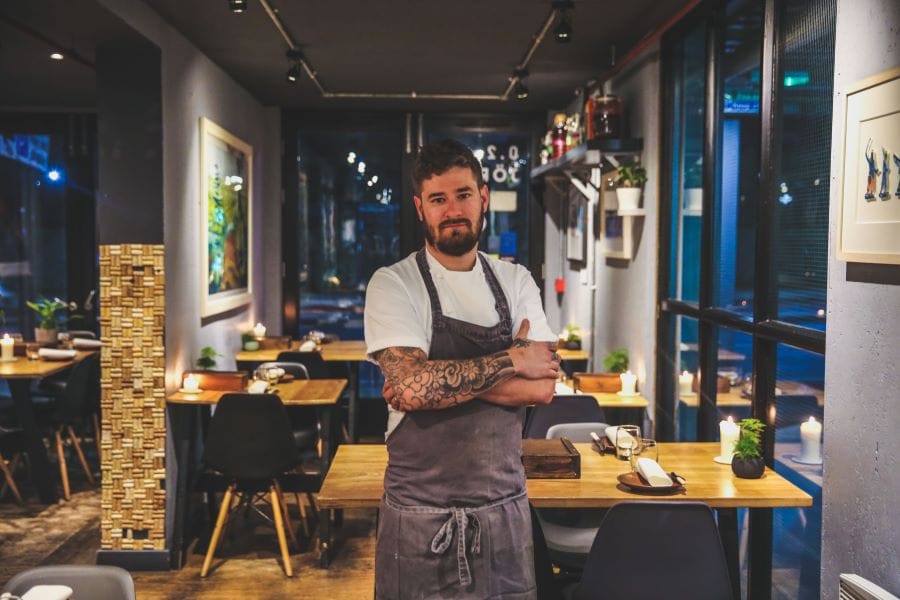
Momentum gathered steadily. Over the years JÖRO appeared on countless best restaurant lists (they’re currently number 43 in the National Restaurant Awards Top 100) and built a loyal following. Yet the physical constraints of the original site began to weigh heavily.
“In the old space, the walls were closing in,” Luke says. “Physically and mentally. If the kitchen’s cluttered, my head’s cluttered. Creativity needs space.”
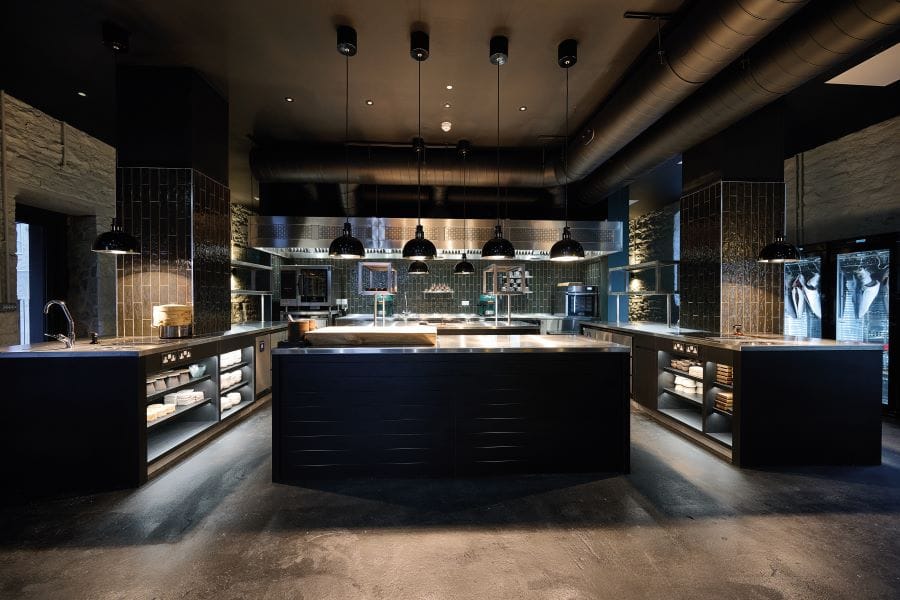
The move to their new site marked a statement of intent. Designed entirely by Luke and Stacey, the restaurant is expansive, calm and adaptable. The kitchen itself is modular, built so it can evolve as the menu evolves. It is not just a new backdrop, but a structure designed for growth.
When the Michelin ceremony arrived, confidence was tempered with realism. “You never know,” Stacey explains. “People get invited and go home with nothing.”
They had seen it happen before. Friends in the industry had endured the heartbreak. Even with encouraging signals – glowing inspections, dish accolades, increasing national attention – nothing is guaranteed.
As the ceremony unfolded, stars were announced one by one. Their name had not yet been called. Then, after a moment of confusion on stage, it appeared on screen.
“I nearly passed out,” Luke admits.
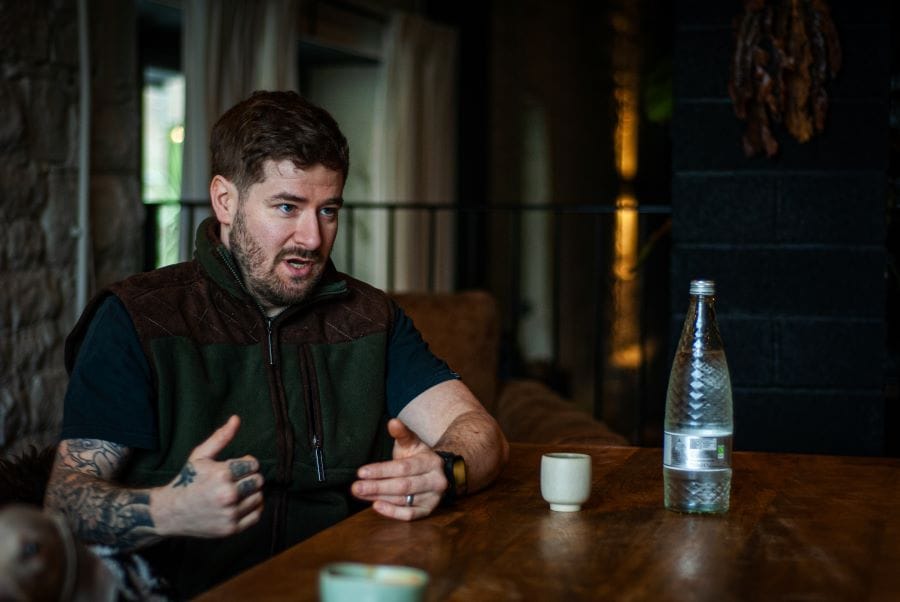
The aftermath was immediate. Website traffic spiked. Booking systems faltered under demand. Messages poured in from peers, guests and long-time supporters who had followed the journey from day one.
What surprised them most was how many people had been quietly rooting for them. “We underestimated how many people were watching,” Stacey says. “People came up to us and said they’d followed the story for years.”
For Sheffield, the achievement carries weight. While neighbouring regions have long boasted starred restaurants, South Yorkshire had been waiting. JÖRO’s win feels collective as much as personal.
“It’s massive for Sheffield,” Stacey says. “We feel that responsibility.”
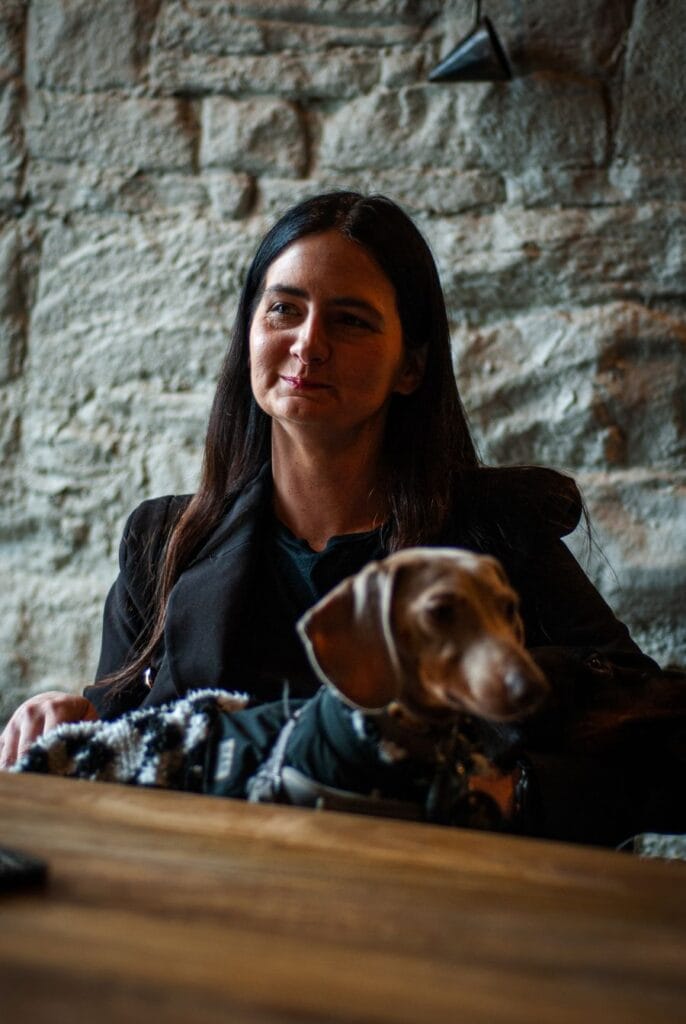
But celebration exists alongside hard reality. The hospitality industry remains under immense pressure. Rising costs, energy bills and VAT create a landscape where headline revenue does not always translate into healthy margins.
“Revenue’s the highest it’s ever been,” Luke says. “Profit’s the lowest. We spent £70,000 on electricity last year. Nearly £20,000 of that in two months. It’s brutal.”
Every penny earned has been reinvested. The couple could have chosen to stay in their original, more profitable site. They could have banked stability. Instead, they doubled down.
“That place enabled us to do this,” Stacey says. “We didn’t just take the money and run. We’ve put everything back into building something bigger.”
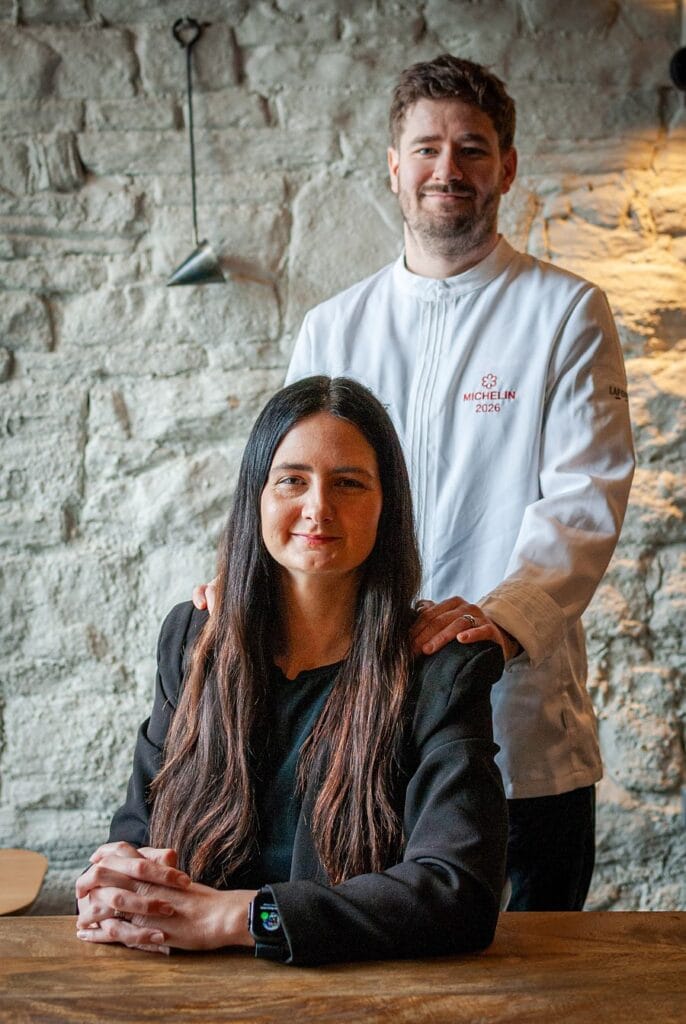
The star will bring new guests and heightened expectation. It may also bring pressure. Yet the ethos remains unchanged. JÖRO’s service is deliberately warm and unpretentious. Chefs deliver dishes themselves. The atmosphere is Yorkshire-friendly, grounded and human.
The ambition now is not simply to retain the accolade, but to continue evolving. The trajectory, as Luke describes it, is still upward. The kitchen team is strong. The foundations are solid.
JÖRO’s story is not solely about fine dining or industry recognition. It is about resilience in the face of doubt. About reinvention when creativity stalls. About betting on yourself when logic suggests caution.
There was a moment when closure felt like a real possibility. When the dining room was quiet and the future uncertain.
A decade later, that same restaurant stands at the forefront of South Yorkshire’s culinary scene, and if the past ten years prove anything, it is this: sometimes the brink of closure is exactly where greatness begins.