A monthly look at the people behind the pictures – Sheffield’s photographers on their creative journeys, what drives their work and how the city shapes their lens. This month, we caught up with Emma Ledwith to chat about swapping dead end jobs for creative shoots and how it’s never too late to make a change…
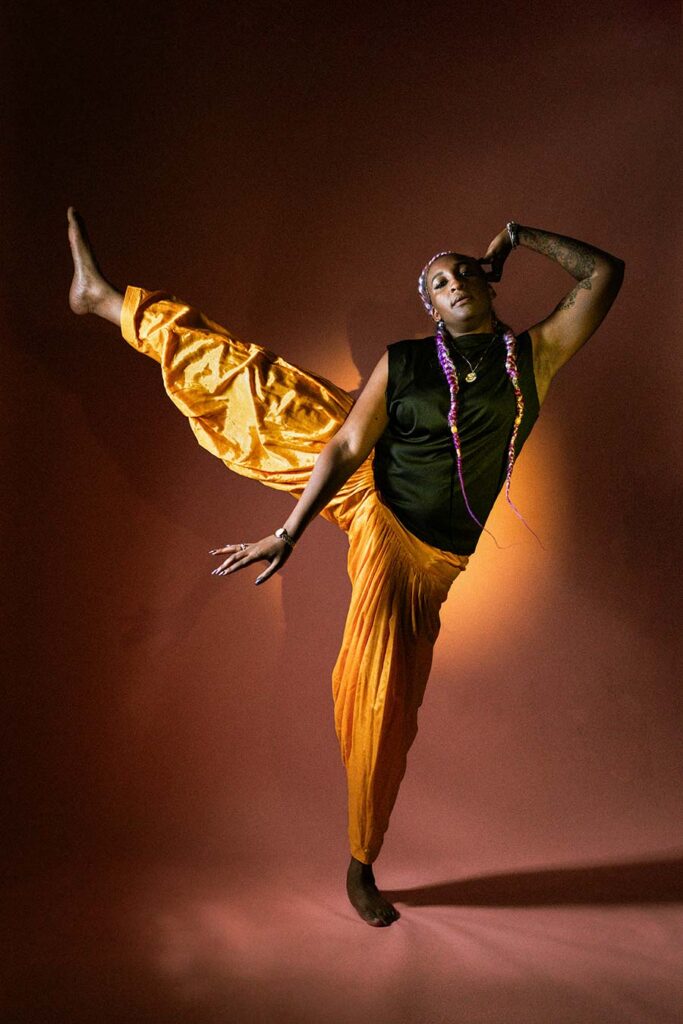
How did you first get into photography?
I used to work in a very soul-destroying office, which meant my creative side lay dormant for far too long. At the time I was living in Manchester and found a photography A-level course at the local college, so I decided to do that as a way to keep the madness at bay. I didn’t realise at the time, but it completely changed the course of my life. It pushed me out of my comfort zone, taught me how to see light, and how to view the world in a completely different way. Following this I began photographing events and weddings and eventually quit my awful job to become a full-time photographer in 2012.
How do you feel your style has evolved since starting out?
It’s constantly evolving! I didn’t really have a clue when I first started out and felt like a massive imposter. Photography takes practice, and over time you naturally find your own style. People skills have played a big role in developing my portrait work, as I like my style to have a certain feel that’s both authentic and creative. This can only be achieved when someone feels relaxed and safe enough to express themselves however they want.
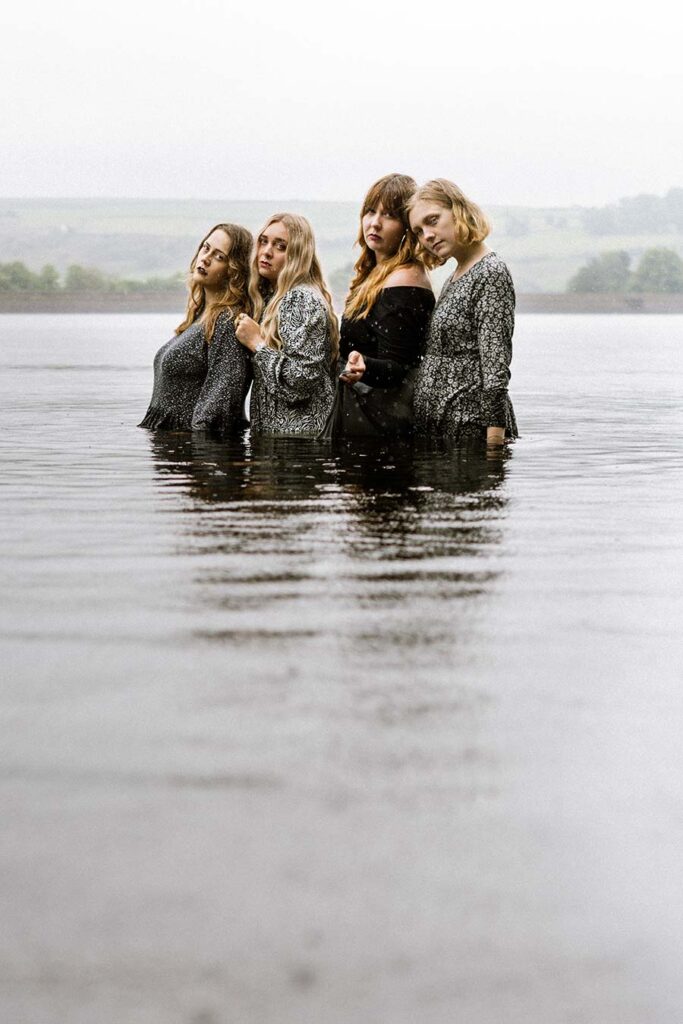
I’ve found self-portraits really useful for this, as they give you a greater understanding of how a person feels when a camera is pointing at them. For some people it’s an easy process, but for others it can bring up all kinds of emotions – and I want to be sensitive to that. Visually, I go through obvious phases when experimenting with cameras or film, but three constants that continue to evolve are good light, shadows and plenty of colour.
Your work predominantly focuses on portraiture – what do you think drew you to this particular style of photography?
I’m naturally curious about people, and I wanted to produce images I had more creative control over. It happened quite naturally, which is always a good sign.
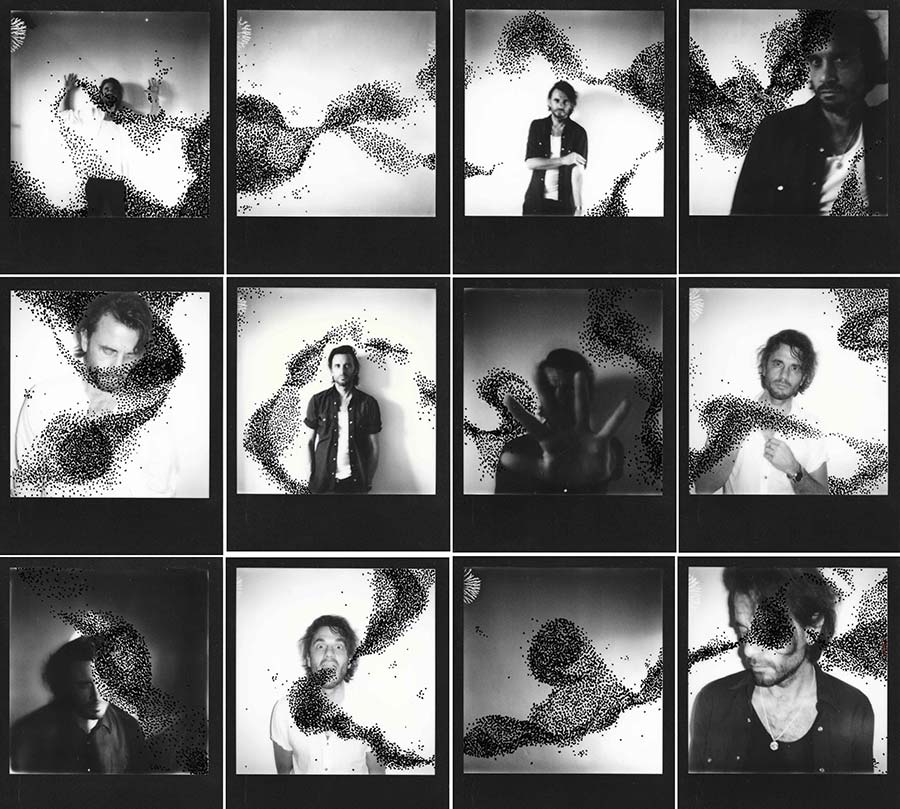
You’ve shot many of the city’s creatives – does that sort of collaboration spark new ideas for you?
Sheffield is packed full of creatives, we’re so lucky here. The best collaborations come from a meeting of ideas. If someone sends me a brief that allows me to stretch my imagination and push myself a little further than usual, it sparks something internally.
We loved the Franz shot used on the cover of a past Exposed issue, but what’s your favourite shot to date and why?
Funnily enough that shoot was a bit of a disaster! We were initially on the rooftop of his studio – not the brightest idea on a windy day. This resulted in some of my equipment blowing over the side of the building and crashing to the ground a few storeys below. I was not as cool and collected as Franz looks in that photo.
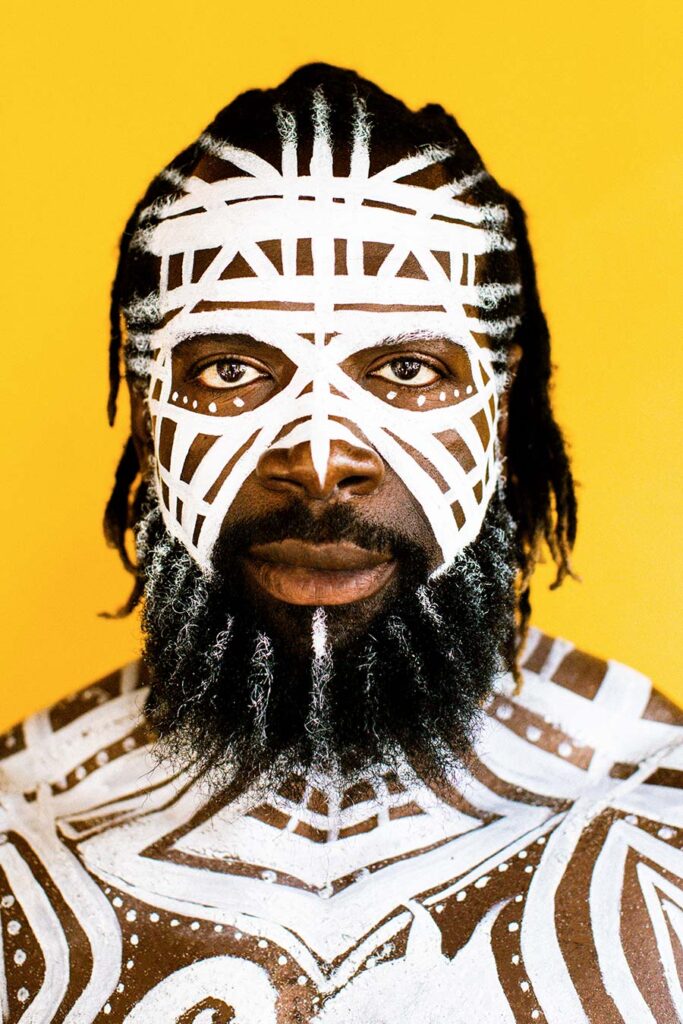
My favourite photo changes with every shoot I do. The current session I’m editing has my new favourite in it! One of my all-time favourites is a self-portrait from a few years ago. I was in the middle of a really busy period, and editing was starting to drive me a bit crazy. I decided to fill my flat with balloons and take some self-portraits for a break – as you do. It turned out to be a ridiculous amount of fun and a good way to switch my brain to something more creative. My neighbours in the flat opposite saw some sights that week, and I was genuinely sad to see those balloons deflate.
When are you happiest behind a camera?
When the person on the other side of it is happy and relaxed too. That makes for a winning combination, and good things always come from it. I also love the change in seasons and the different light and colours that come with them. And if you stick me in a field of flowers at golden hour, I’m guaranteed to be having a good time.
What advice would you give to budding photographers?
Cut out the noise from social media as best you can – it’ll really help you develop your own style. Inspiration is everywhere in other forms – nature, art, films – so find the thing that sparks your own creativity and ideas. You don’t need the most expensive camera and loads of fancy equipment either; my favourite camera cost £35 and is currently held together with tape. Work with whatever budget you have and build your skills from there.
Finding a good bunch of creative pals is priceless. They’ll always encourage your ideas and weirdness, be practice models for you, understand the highs and lows, and help refill your creative cup when it’s running empty.
Lastly, I started photography later in life compared to many others. A new creative path can begin whenever you want it to, so don’t be afraid to try something new – you never know where it may lead.
