The 32nd Sheffield DocFest has been and gone, bringing film fans, industry talent and curious locals together once again. By our reckoning, our reviewer Mark Perkins has now been to at least ten of them – so you could say he knows his way around a screening or two. Here’s his take on what stood out at this year’s festival, and why Sheff keeps making its mark on the documentary world.
Documentary film has a habit of getting under your skin – well, it does with me anyway. After almost a week of DocFest, it’s hard not to feel more connected to the world beyond Sheffield. Travelling may broaden your mind, but documentary films inhabit your soul.
I always try to find light and shade when choosing what to watch at DocFest, and this year’s line-up had it all. I’ve been immersed in stories that made me think, laugh out loud and feel deeply moved. There have been times I’ve sat quietly weeping, despairing at where the world is heading. But mostly, it’s made me reflect.
The global reputation of the festival is now firmly established. I’ve spent the week chatting with film and TV professionals from all over the world, and one thing stands out – while locally we talk about films ‘showing at DocFest’, filmmakers from other countries talk about films ‘showing at Sheffield’. Like Cannes, the name of the city has become the brand.
Some documentaries simply inform, providing facts, viewpoints and sparking debate. Our Land did just that, giving equal screen time to both sides of a contentious issue. On one side, the principle that we should all have access to the countryside, and that ‘private land, keep out’ signs should disappear.
On the other, landowners argue that owning land means controlling access, which often means restricting or denying it. Only 8% of England’s countryside is publicly accessible. In Scotland, the Land Reform Act passed over 20 years ago allows responsible access to land and inland water, including walking, cycling and wild camping. Campaigns like Right To Roam are pushing for similar change here.
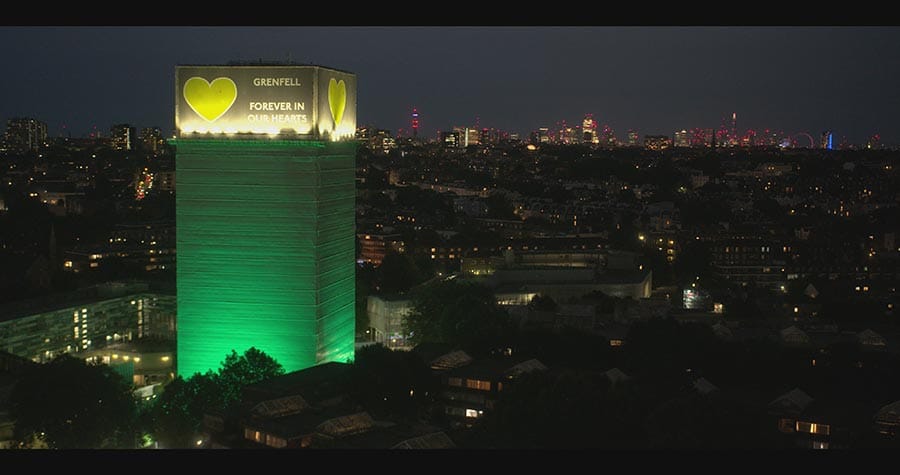
The Grenfell Tower tragedy hangs over Britain as an unresolved scar. Grenfell: Uncovered was a stark reminder that little has changed since June 2017. The public inquiry has concluded, yet accountability feels as distant as ever. Profit was prioritised over lives, with the companies involved still trading and making money. The film was harrowing, with phone footage and fire brigade video showing the horror unfold. Survivors, firefighters and campaigners were in the Crucible for the screening, many taking to the stage to a standing ovation. It was little surprise when the film won the 2025 DocFest Audience Award.
The opening night film was Still Pushing Pineapples by Kim Hopkins, who made A Bunch of Amateurs in 2022, which found success after its DocFest premiere. This new film is in the same vein – a story of working-class, northern Britain, this time following Dene Michael of Black Lace fame. He’s spent most of his life singing ‘Agadoo’, recently voted ‘the worst pop song ever’ by readers of Q magazine.
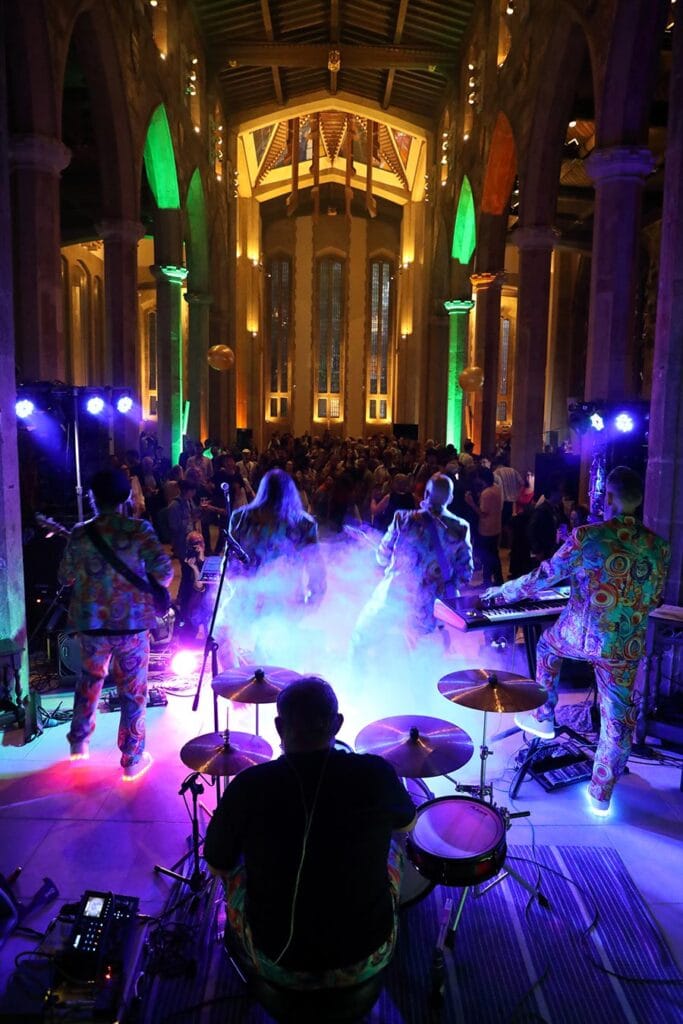
Despite the song’s notoriety, he’s determined to revive his career. The film becomes a road movie as he heads to Benidorm with his mother and girlfriend, chasing one more shot at stardom. And stardom of a sort came later that evening, when Dene showed up at the after party in Sheffield Cathedral. A few glasses of wine in, DocFest delegates from across the world were dancing to ‘Agadoo’ and conga lines formed. Any photos you might see of me pushing pineapples up a tree – or dancing to a hula melody – are obviously AI fakes.
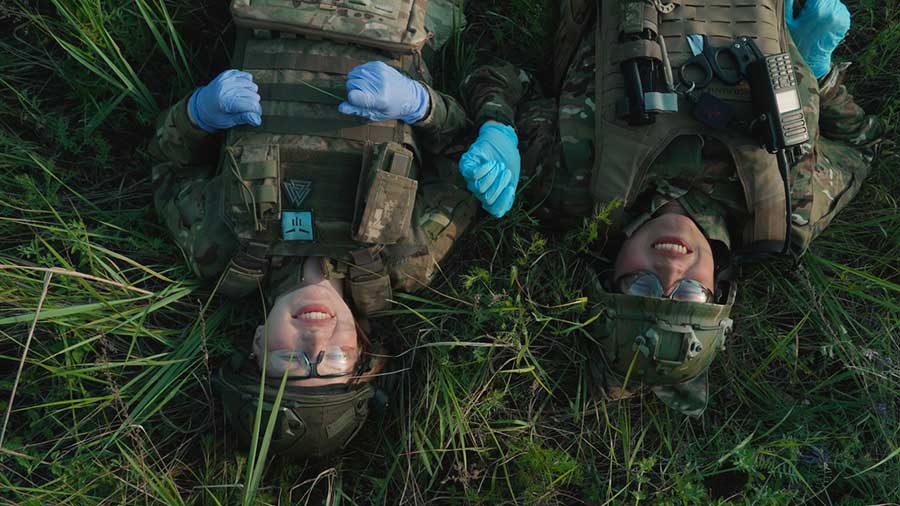
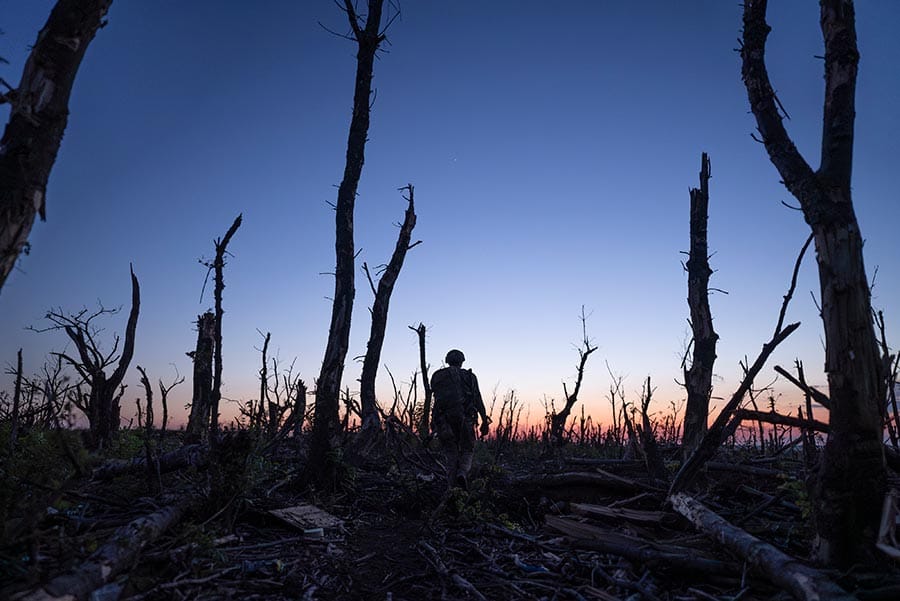
A documentary film festival reflects the world – and the world is at war. Within hours, I watched 2000m to Andriika and Cuba and Alaska, two powerful accounts of the conflict in Ukraine. Andriika follows the brutal fight for every one of the 2,000 metres leading to a small town near the Russian border, now reduced to rubble. Most of the film uses body cam footage, providing an unfiltered look at the war’s grim reality. Cuba and Alaska shifts focus to two female frontline medics whose deep friendship offers fleeting moments of joy amid chaos. The film is unpredictable, mixing warmth with devastation, and asks whether such bonds can survive the trauma of war.
Mr Nobody Against Putin gave an equally chilling insight into the propaganda shaping Russian classrooms, where children are being raised on militarism and nationalism. Meanwhile, The Librarians highlighted the shocking rise of book bans, right-wing censorship and threats facing school librarians across America. The filmmakers hope it sparks a protest movement to defend free expression.
Music, as ever, played its part at DocFest. Dreaming of You told the story of 90s jangly pop band The Coral, focusing on their little-known early years. The BBC previewed Live Aid at 40, which looks at how the Band Aid single led to the global concerts. The Ethiopian perspective and the project’s modern-day controversy are explored too. I was amused to hear younger festivalgoers dismiss ‘Do They Know It’s Christmas?’ as nothing more than ‘that terrible Christmas song’.
Tomorrow’s Too Late follows singer Dylan Holloway, formerly known as Lots Holloway, navigating the impact of transitioning on his music career. The film is a powerful, intimate portrait of the trans experience – and one I’d urge people to see.
DocFest’s poster boy this year was Professor Brian Cox. Who wouldn’t want to spend an hour listening to his story? His talk traced the extraordinary mix of chance, determination and good timing that made him one of Britain’s most recognisable science presenters.
Laughter was scarce this year, perhaps reflecting the times, so A Night with Adam and Joe was a much-needed tonic. Their anarchic sketch show ran from 1996 to 2001 and seeing them reunited was a real festival highlight. Guests of honour Fenton Bailey and Randy Barbato introduced them, saying their talent and originality meant they were simply left to get on with it.
The stories that had a deep impact, which continued long after I emerged from the Showroom’s darkened screens, were the deeply human ones. Power Station followed artists Hilary Powell and Dan Edelstyn’s extraordinary mission to take their Walthamstow street off the grid, pushing for a solar-powered revolution.
But my most powerful festival experience was Welded Together. It follows Katya, a 22-year-old welder in Belarus, caring for her infant half-sister as her mother’s alcoholism tears their family apart. Determined to break the cycle, Katya faces heartbreaking choices for the child’s future. For me, this compelling, moving film was the standout of DocFest 2025 – a worthy winner of Best International Documentary and a viewing experience that stays with you long after the credits roll.
See you in 2026!