With a new ‘Sunrise EP’ due out this summer and an album on the horizon, Ash Birch popped for a brew with Steve Edwards for a chat about a decades-long career that includes Grammy nominations, nights out with Daft Punk and global number ones – all of which you’ve probably never heard about!
This is far from an original thought, but it is, nevertheless, worth repeating: Steve Edwards is, by some distance, the most overlooked musician this city has ever produced.
We’ll get to the potential reasons for this oversight – Steve has some thoughts – but in a city that prides itself on its musical achievements, it’s impossible to deny that the accomplishments of the mining town-born son of a preacher are largely unsung.
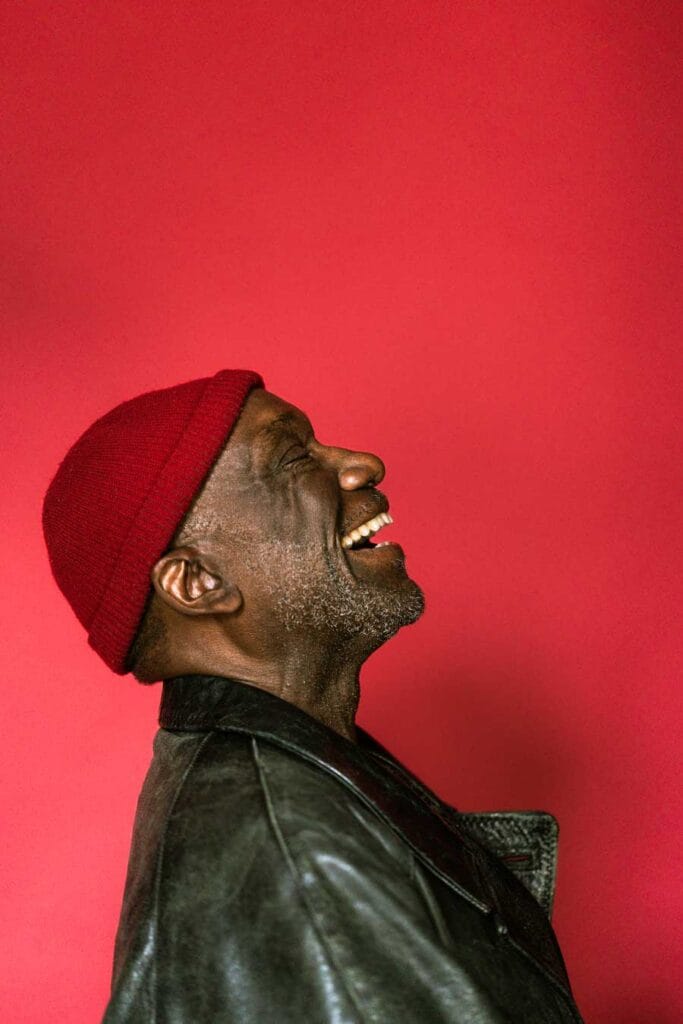
It’s an if-you-know-you-know type situation, but if you’re still scratching your head and asking, ‘Who is Steve Edwards?’, firstly, that proves my point, and secondly, allow me to fill you in:
Steve is the voice and writer behind some of the biggest dance tracks, well… ever. He’s racked up global number ones, written songs with and for some of the world’s most respected and celebrated producers, boasts two Grammy nominations, a World Music Award, has played all over the globe and is, inexplicably, massive in Russia.
Not a bad wiki page for a ‘sh*t-kicker from Sheffield’, and that’s before you get to the million other projects he has on the go at any one time. The man thoroughly deserves his flowers.
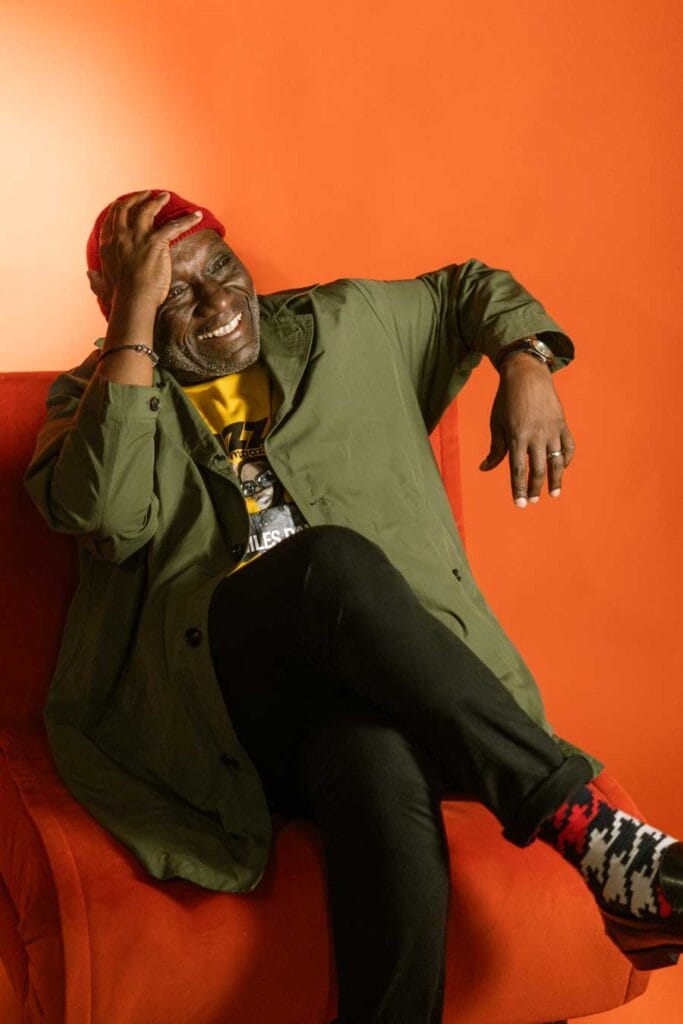
But, with all that achievement stuffed into his back pocket, he could still quite easily walk down West Street largely untroubled by Joe Public in a way that, say, Jarvis Cocker or Alex Turner could not.
“I’ve always felt a bit outside of it all,” Steve says. “I were never part of a scene really. I just kept doing what I loved doing.”
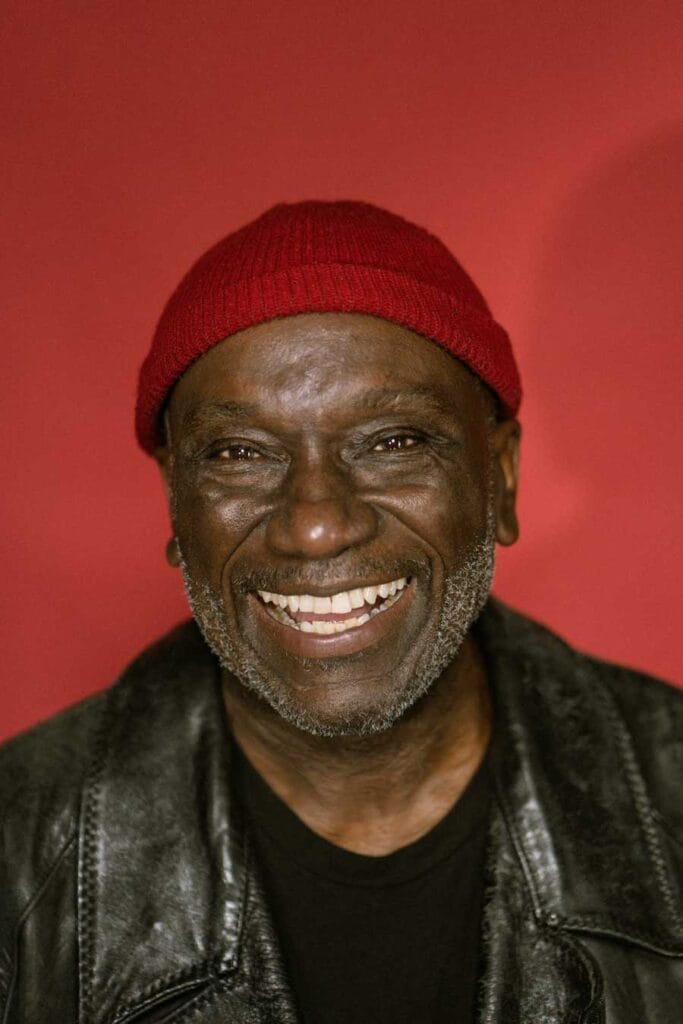
Today we meet at Herd in Woodseats, Steve’s stomping ground. We’re greeted by friendly smiles and a welcome that definitely isn’t because of my arrival. Steve slides into conversations with staff and customers with the ease of somebody who has spent decades existing in Sheffield exactly as himself – approachable, warm, funny and entirely without rock star airs.
Which is perhaps part of the problem.
Because Steve Edwards doesn’t really fit the neat little story Sheffield likes to tell itself about Sheffield music in that late 90s, early-noughties era.
He didn’t come through the indie pipeline. There are no Arctic Monkeys style origin myths, no NME-front-page cool Britannia moments, no endlessly repeated tales of grimy rehearsal rooms, scraps and northern guitar bands saving British music. Steve’s career happened elsewhere – in clubs, studios and dancefloors across the globe. Huge songs, huge crowds, huge success – but often without his face attached to it.
And dance music, for all Sheffield’s deep-rooted electronic heritage, still doesn’t always get afforded the same reverence as lads with guitars.
“I think because I weren’t front and centre, people maybe didn’t realise,” he says. “A lot of dance music works like that. People know the tune but they don’t necessarily know the singer.”
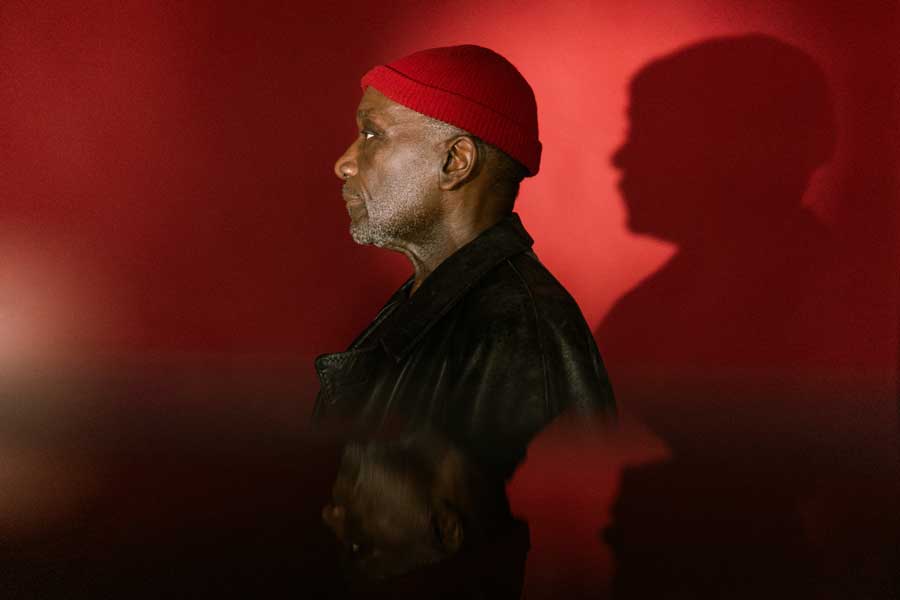
That singer, though, became one of the defining voices of an era.
Long before the awards and platinum records, Steve was just another working-class lad navigating 80s northern life. Raised in Worksop by deeply religious Jamaican parents, music initially wasn’t viewed as a career path at all.
“When I left school, I wanted to be a plumber,” he laughs. “Then I got an apprenticeship and they went bust after a week.”
Instead, he drifted into engineering work while spending weekends immersed in football culture and the nightlife that shaped so many northern towns at the time.
“We were just lads from a rough and tough northern town – a mining town – you had to look after yourself.”
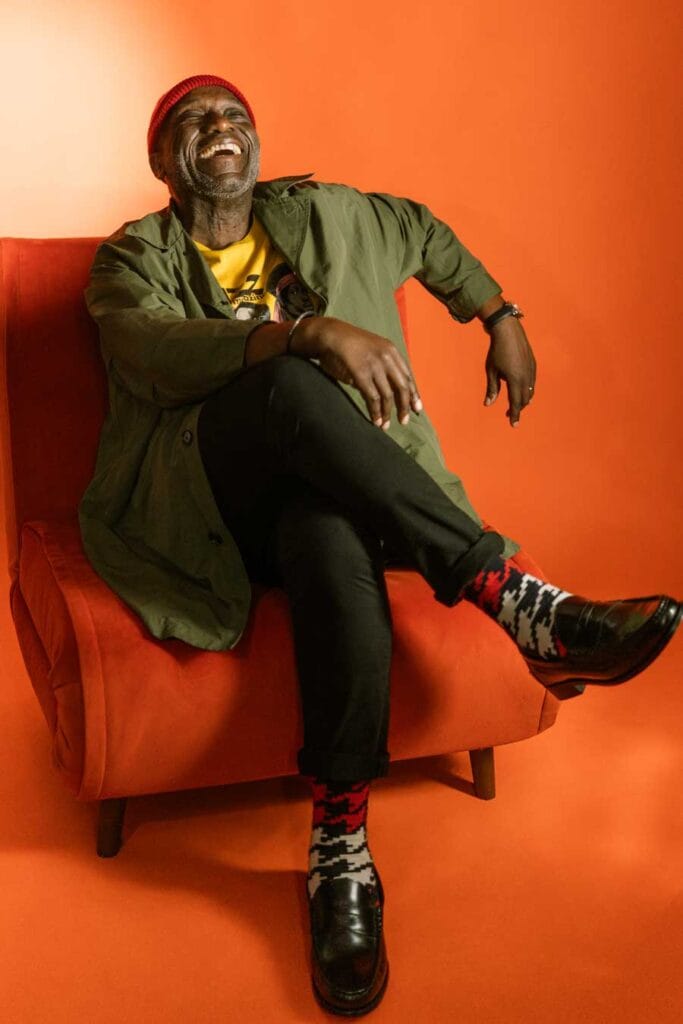
Steve had grown up around the church and has held onto that faith to this day – despite a few wobbles along the way.
It was actually the church and family that first brought Steve to Sheffield, heading here every Sunday to see his father minister in the Apostolic Church of Jesus Christ, a mainly Black church in Darnall.
“My dad was one of those preachers. Really charismatic. When he used to preach it were like theatre. I suppose I got it from him.”
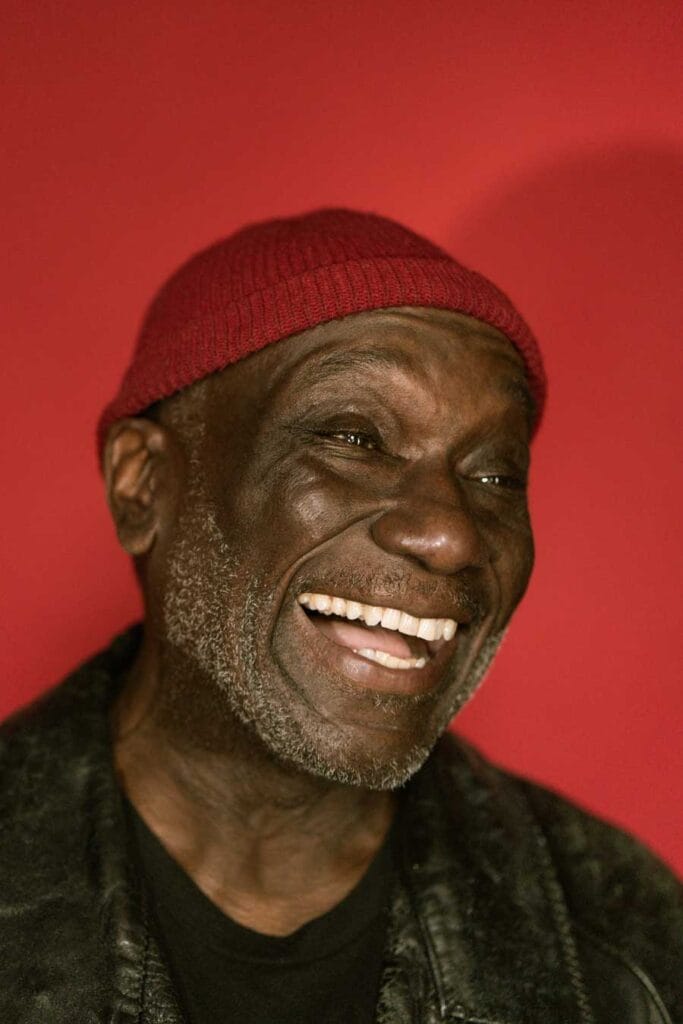
Still, he says becoming an actual musician felt almost impossible.
“When you’re in a small town, you tend to conform. Don’t show yourself to be something different to everyone else.”
That tension – between fitting in and standing apart – runs throughout Steve’s story.
As a Black kid growing up in predominantly white working-class Yorkshire during the 70s and 80s, there was already a balancing act taking place.
“My parents were strict Jamaican,” he explains. “It were literally beat into you – keep your head down, don’t bring any trouble to the door.”
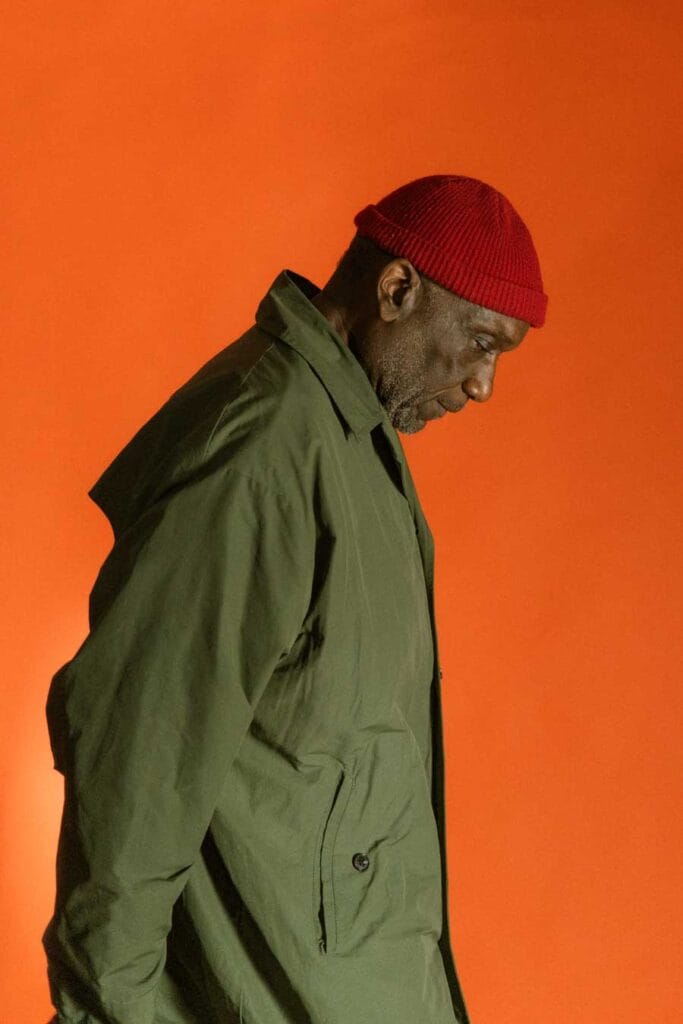
At the same time, music opened up entirely different worlds.
First came ska and Two Tone. Then hip-hop. The way fashion, politics, race and music all folded into one another appealed to young Steve.
“That was the first movement that I understood as something you could be part of. I liked what it represented.”
Before moving to Sheffield, Steve had fallen into singing on a bit of a whim after spotting an advert for a local synth-pop band looking for a vocalist.
“I walked in and they just said, ‘Sing something,’” he remembers. “I sang a Marvin Gaye song and I remember their jaws dropping.”
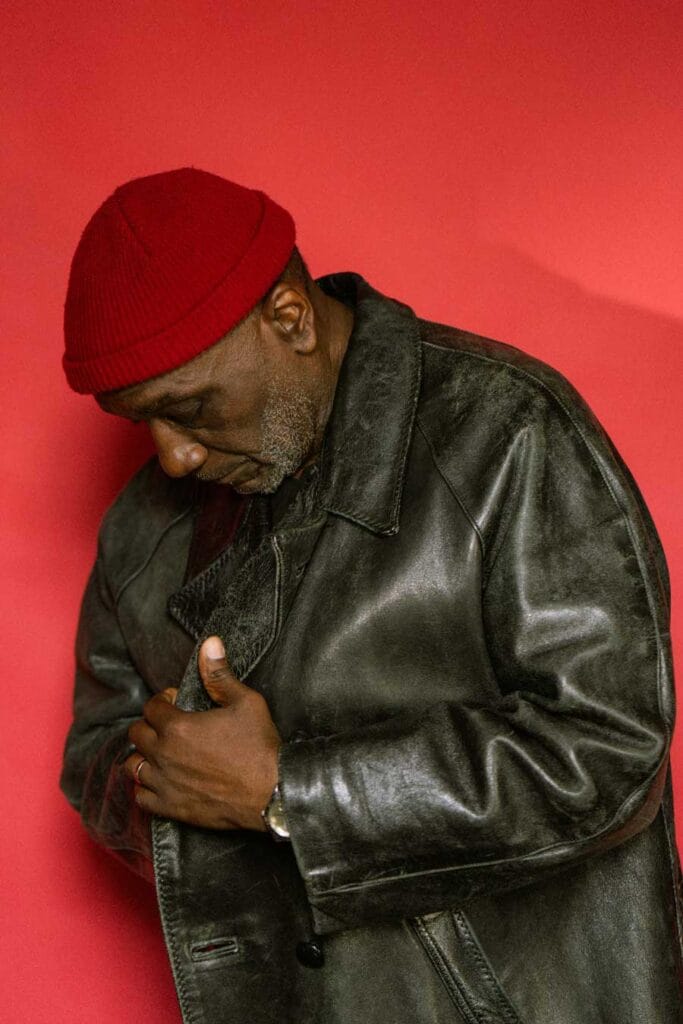
What followed was a string of bands, projects and near misses – one one of which Steve dramatically quit on stage – delivering what he jokingly describes as his “Ziggy Stardust moment” – that gradually pulled him deeper into Sheffield’s musical underbelly.
But it was acid house and rave that provided the true sliding doors moment.
“It was a complete epiphany,” he explains. “The rave thing was like year zero for me.”
Like many from Sheffield’s surrounding areas, Steve found the city’s electronic underground and, with it, a sense of liberation. Not just musically, but personally too.
“The epicentre was Sheffield. I went headlong into it. For me personally, the experiences of that time opened the doors of perception up. I got a wider understanding of my place in the grand scheme of things.”
That period also coincided with struggles around mental health and identity – things he says men, especially working-class men, simply didn’t talk about back then.
“Things got a bit dark at times,” he admits. “But you just kept it to yourself.”
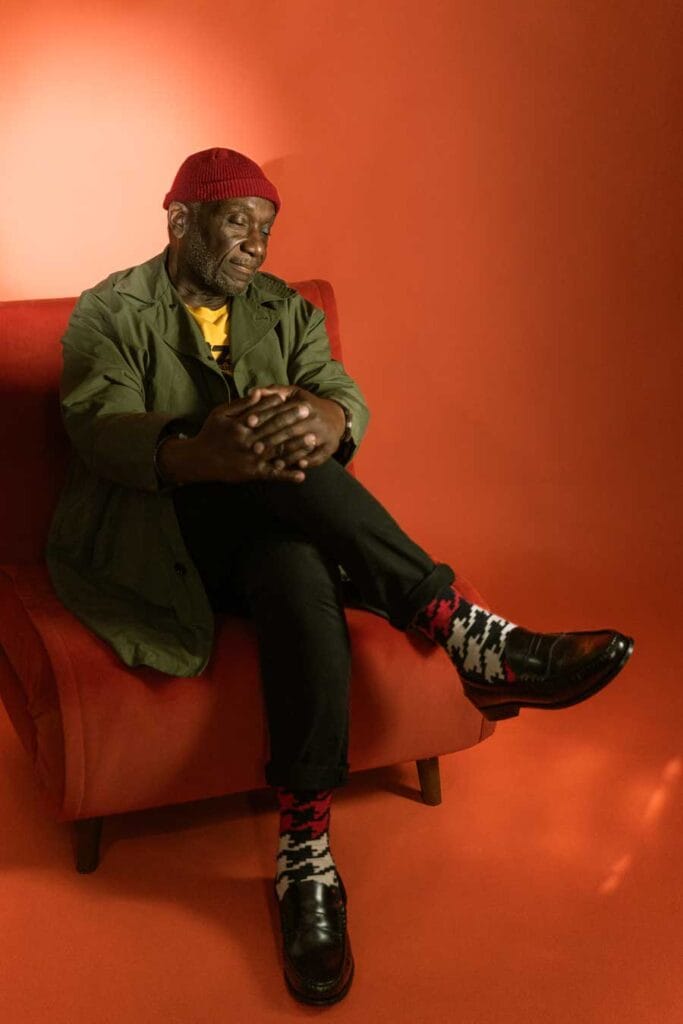
Unknowingly, Sheffield’s electronic underground was beginning to pull Steve up as well as in.
During the 80s and early 90s Sheffield Warp Records and FON Studios were quietly building one of the most influential electronic scenes anywhere in Europe.
“Everybody did their own thing,” says Steve. “Everybody learned by themselves. We were creating new music.”
For him, it felt like finding his people.
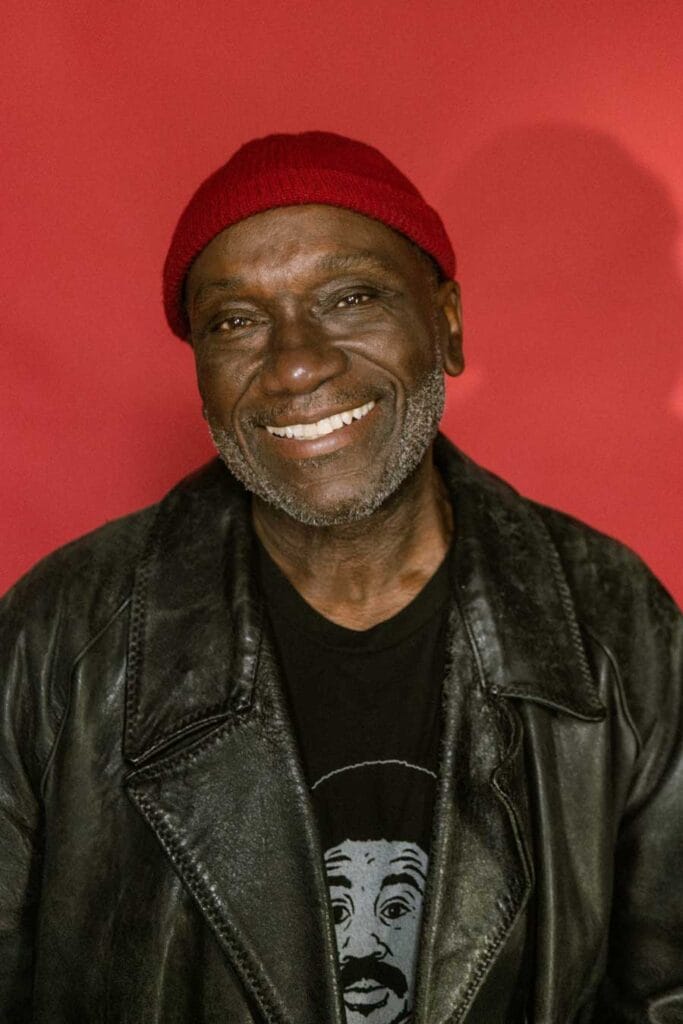
By the early 90s he’d linked up with producer Mark Brydon and become part of Cloud Nine – a Sheffield act blending soul, acid jazz and electronic music just as that scene was exploding nationally.
“We thought we’d cracked it,” he laughs.
The group signed to the uber cool Acid Jazz Records, released singles, toured and started building serious momentum. Steve still vividly remembers playing London venues packed with musicians, label people and journalists all tipping them as the next big thing.
Then, just as things seemed ready to take off, it collapsed when a sample clearance issue halted everything almost overnight.
“Momentum is everything,” he explains. “Once that stops, it’s hard to get it going again.”
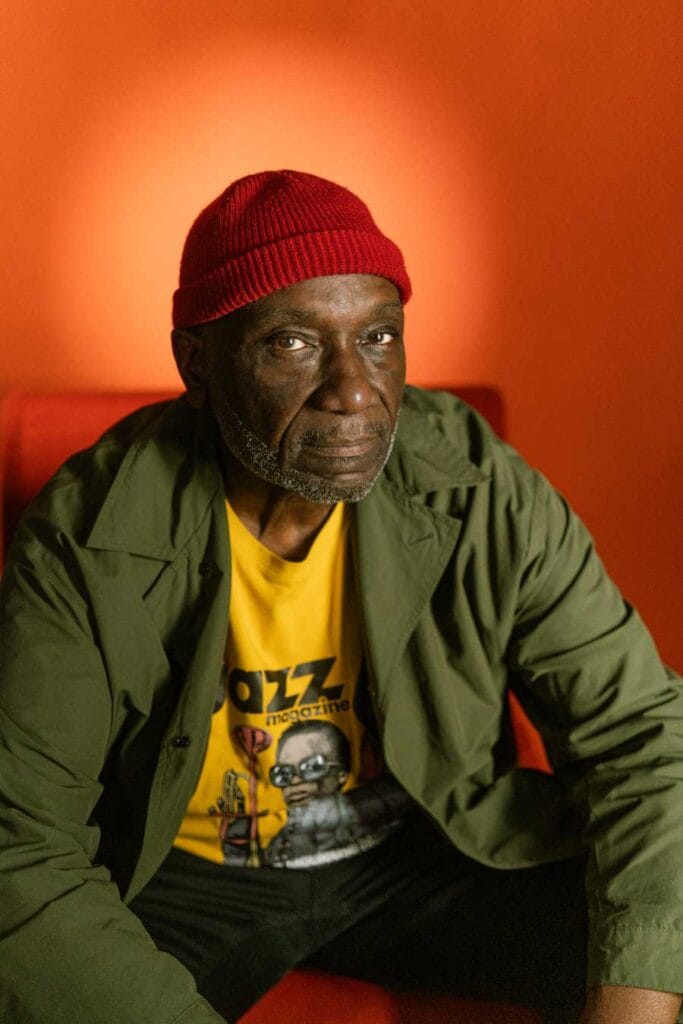
As tours broke down, and Mark went on to form Moloko, Steve suddenly found himself in limbo. “The determination I had was white hot. Something inside me just said, ‘Keep going.’”
He started looking towards the exploding world of house music, where he noticed something interesting: the biggest tracks almost always relied on the same handful of American vocalists.
“It was always American divas or gospel singers, but we didn’t really have British singers doing it.
“I thought maybe I could do it that way. Go through the back door.”
That instinct and his ability to spot an opportunity – Steve calls this his “superpower” – eventually took him into the orbit of the French Touch movement, the era-defining electronic scene spearheaded by artists like Daft Punk and Cassius that would completely reshape dance music across the globe in the late 90s and early 2000s.
Steve talks about that time with genuine affection and still has a healthy dose of disbelief. One minute he was a lad from Worksop and Sheffield. The next he was sat in Philippe Zdar’s Golf GTI listening to unreleased Daft Punk demos while driving through the Paris night. Or sitting outside a Montmartre café between sessions, listening to the Parisian hum and writing ‘The Sound of Violence’ – the now iconic Cassius track.
It all sounds faintly absurd when written down. But Steve was there – not as a hanger-on, but as an integral creative voice within that world.
And crucially, he was doing something different.
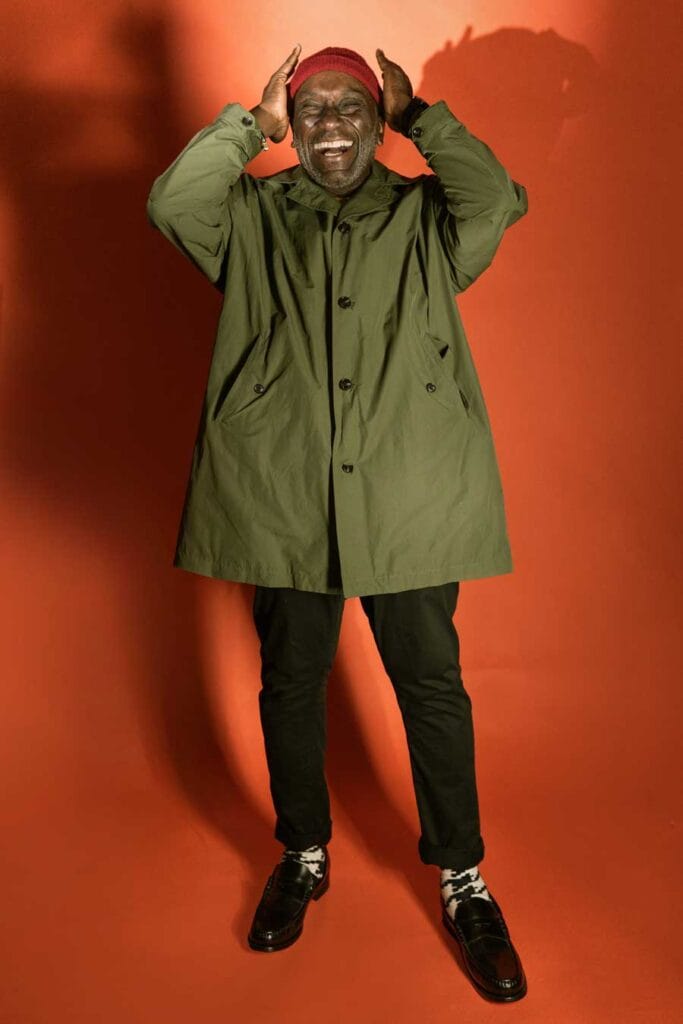
At a time when dance music vocals were often anonymous samples, chopped-up hooks or disposable toplines, Steve approached tracks like songs.
“There weren’t many people doing that,” he explains. “I wanted to write proper lyrics. Proper songs. I wanted to sugar the pill.”
Steve became one of the first artists in that scene whose lyrics were literally printed on record sleeves – a small detail perhaps, but one that reflected how seriously his collaborators viewed the writing itself.
Then came the records that changed everything.
The Cassius connection opened doors into the beating heart of the French scene. Steve was in demand, but it was another collaboration – this time with Bob Sinclar – that launched his voice into clubs, radio stations and festivals across the planet.
Suddenly, Steve had co-written a global number one.
There was then work with artists like Axwell, before Swedish House Mafia became giants. Steve’s melodic instincts and soulful writing style fitted perfectly into a changing dance landscape.
And yet, despite operating at the very centre of one of modern music’s most influential movements, Steve’s name still somehow sits outside mainstream conversations about Sheffield music.
Part of that is genre. Part of it is visibility. Part of it, perhaps, is race.
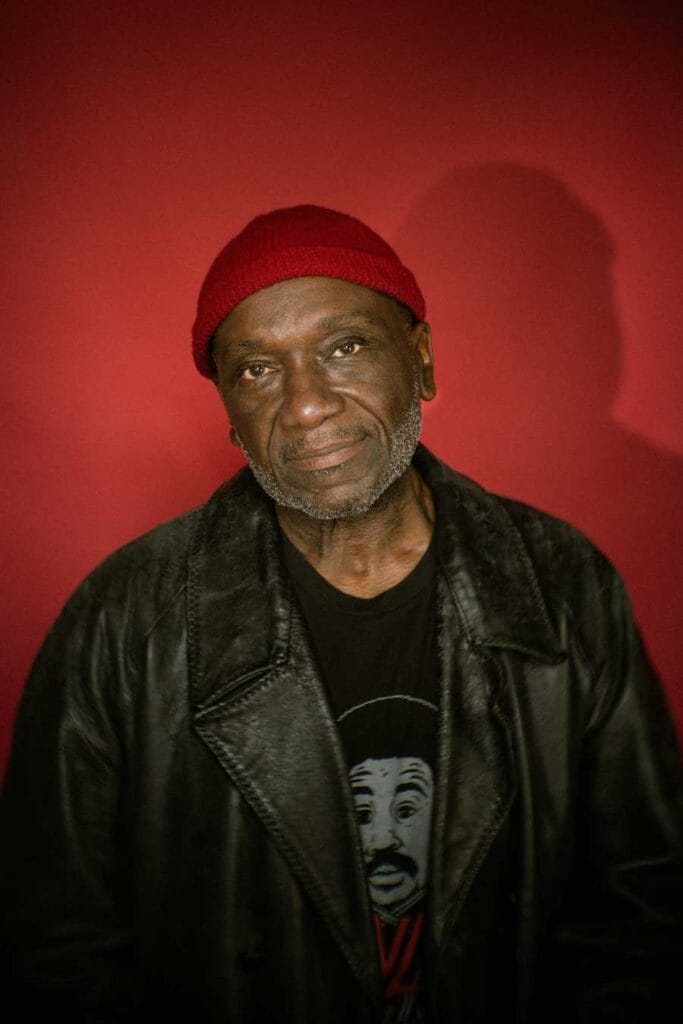
Sheffield’s celebrated musical canon has historically leaned overwhelmingly white and guitar-driven, even though Black artists and electronic musicians have long been integral to the city’s culture.
Steve doesn’t labour the point, but it hangs there in the conversation regardless.
“You know people are gonna try and get you,” he says, reflecting on his upbringing. “That’s what we were taught.”
There’s also the fact Steve never particularly chased celebrity. Even now, he seems faintly bemused by the idea of legacy.
“I just keep doing it because I love it,” he shrugs. “I sometimes think I weren’t built for employment.”
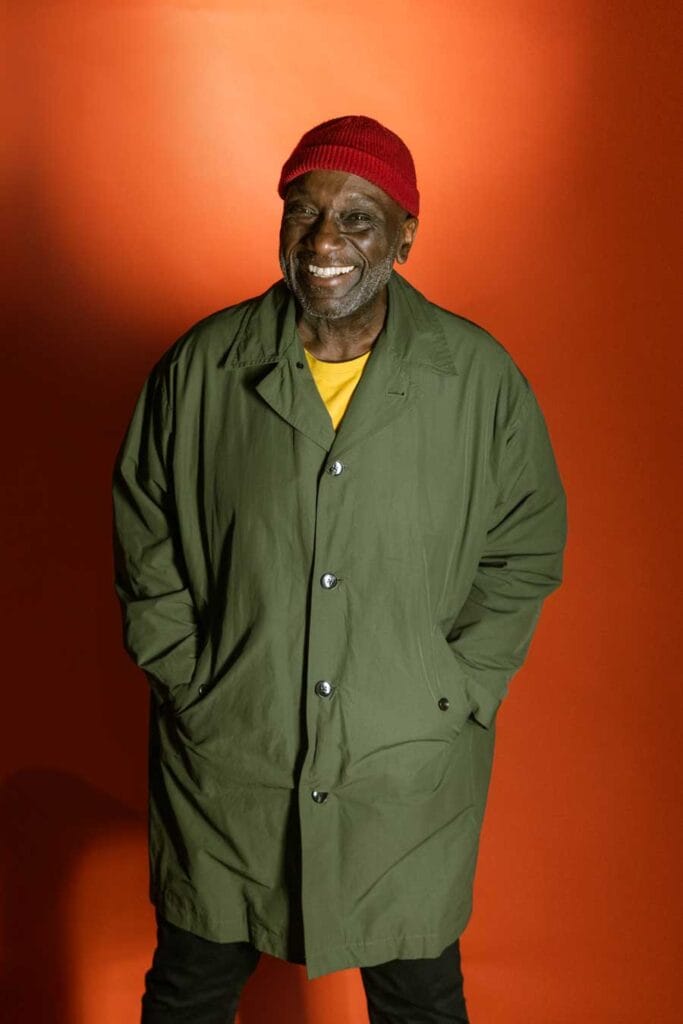
Thankfully, due to the anonymous success of these records, Steve has remained sought after for his writing and he hasn’t had to worry too much about regular employment, and maybe that’s why he’s wrestling with his legacy at the moment.
There’s a quiet frustration throughout our chat that people still don’t fully realise how many songs they know were actually written by Steve.
So now, rather than waiting for people to join the dots themselves, he’s working on a new project that revisits the songs which defined his career – not as faceless club tracks or fleeting dancefloor moments, but as fully realised Steve Edwards compositions.
“I’m gonna show you how good I feel these songs are.”
Recorded at Sheffield studios including Yellow Arch, with live musicians and longtime collaborators, the project reimagines some of Steve’s biggest records as soulful, downtempo arrangements stripped far away from their original club form.
“It’s interesting because people don’t realise I’m covering my own songs,” he laughs.
The first release, the Sunrise EP, is expected this summer, with a full album planned for the autumn. Crucially, this time the records will simply carry one name.
“They’re all gonna say Steve Edwards,” he says proudly.
For years, Steve built a career as the featured vocalist, the songwriter, the voice behind the record rather than the face on the poster. Now, finally, he seems ready to stand in the centre of his own story.