Daniel Dylan Wray’s new book charts how Sheffield’s DIY spirit has helped a post-industrial city consistently shape the contours of British music.
Daniel Dylan Wray’s introduction to the Sheffield music scene was not a pleasant one. The event was Apocalypse Now Then, curated by electro group Kings Have Long Arms. Back then, Daniel worked as a glass collector at the Leadmill.
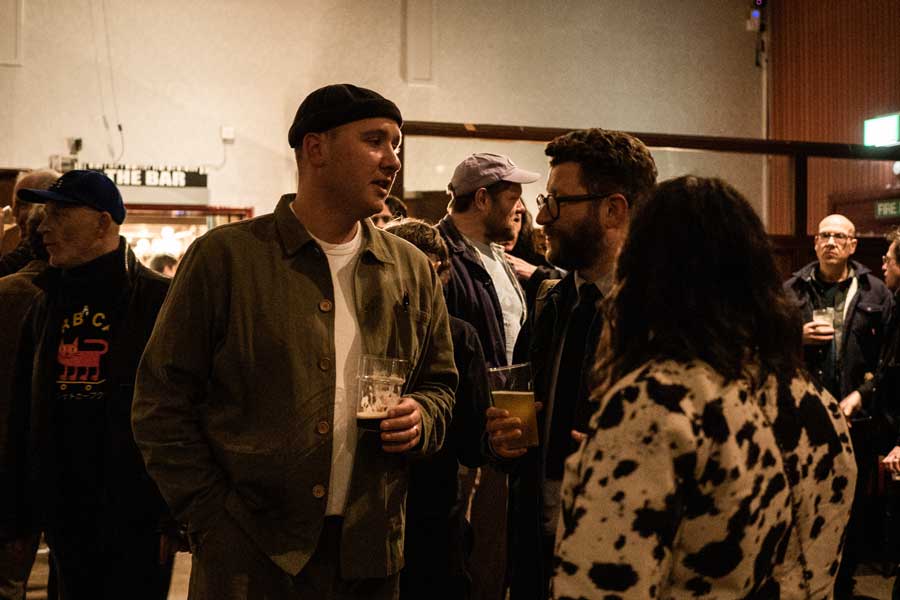
He was then asked to clean the dressing room. “It was just chaos. Debris everywhere, piles of puke, a pair of assless leather trousers. Everyone had been tripping and was in a mess. I was like, who are these people? It was my first peek into the strange little underworld going on in Sheffield.” More explorations would follow, and eventually Daniel would feel at home in the strange underworld. “When I started to find the weirdos, things opened up and got a bit more interesting for me.”
This strange underworld and the weirdos that inhabit it are the subject of Daniel’s new book Groovy, Laidback & Nasty. It tells the story of seven decades of Sheffield independent music – a journey from the soulful tones of Joe Cocker to the bombastic pop of Self Esteem, via electronic pioneers Cabaret Voltaire, the surge of bassline DJs and indie troubadours Arctic Monkeys. “The ambition was to show Sheffield as a pioneer in music, in a way that other cities have been celebrated endless times. Sheffield should be spoken about with Berlin, New York and Manchester and I don’t think it always has been.”

Covering such a broad sweep of music history became quite the undertaking. In total, Daniel interviewed more than 150 people. But that was only part of the research. “I lost count of how many books I read and the amount of days I spent in the local studies section at Sheffield Library.”
This extensive research means Groovy, Laidback & Nasty is not just a story about the more established bands and artists from the city. The big names make appearances but never take a starring role. “I was more interested in digging into the cracks and finding out what was less well known.”
More than anything, the book provides portraits of different music scenes that grew organically, the spaces they occupied and the music they created. Crucially for Daniel, it is a body of work where bands and DJs share equal billing across its pages. “Often books about club culture are separate from books about bands. But I don’t think you can tell the story of Sheffield music without telling both because they’re so intrinsically linked.”
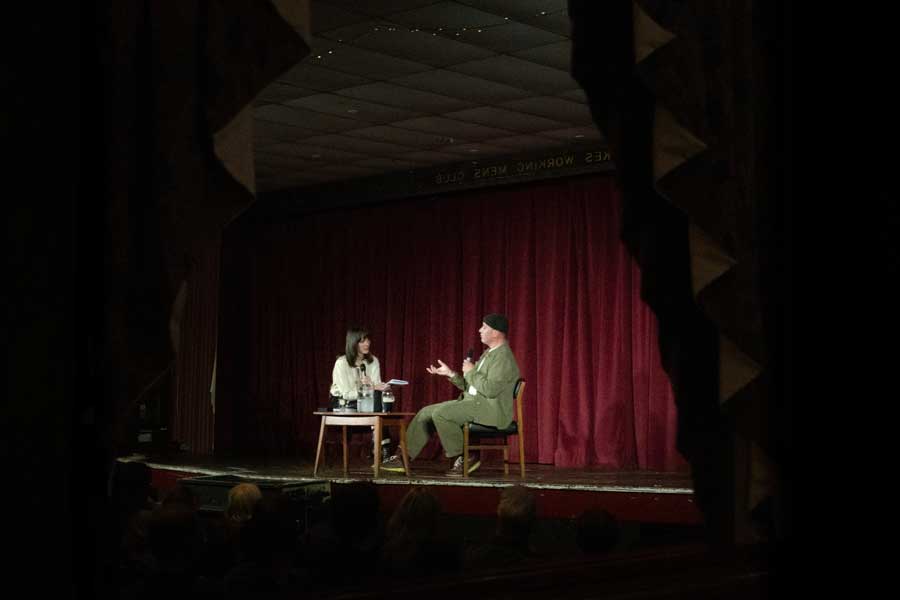
A key theme running throughout the book is Sheffield’s DIY attitude. “The independent spirit and ethos connects everything from techno to bassline to indie to metal. Look at Pulp and Def Leppard. Two completely opposite bands. But their stories are remarkably similar. Def Leppard, a bunch of working-class lads, scraped together money to make a record and stuck it in the hands of John Peel. Jarvis [Cocker] did exactly the same.”
For him, this attitude came out of necessity in a post-industrial city. The period from the 1960s to the 2010s was a difficult one in Sheffield’s economic history – deindustrialisation, the miners’ strike, pit closures and the resulting unemployment shaped the city for decades. “There was nothing at first. It was a wasteland, culturally speaking – no recording studios, no record labels. You had to make your own entertainment. It was do it yourself or do nothing.”
For decades this post-industrial wasteland became a playground for people, with former factories, mills and warehouses turned into venues, studios and rave spaces. “It’s just friends doing things to amuse themselves. And it’s taken off, which is always the most true and pure way of doing things. Those north Sheffield bands – Arctic Monkeys, Milburn and Reverend [and the Makers] – were just a close-knit bunch of pals.”

That sense of community and support was another important factor. “When you live in a small city everyone knows one another. You naturally have the sense of community that exists across genres. People who fundamentally don’t make music that’s remotely similar, maybe don’t even like the same music, broadly support each other.”
What is undeniable is that Sheffield, for a city of its relatively modest size, has an uncanny knack for producing cutting-edge sounds. Throughout the decades, great music has continued to be created. Sounds that originated here have gone on to have a significant influence on popular music. “It’s rare to have one Arctic Monkeys. But the fact that you get all these examples from decade to decade – most cities don’t have that.”
Groovy, Laidback & Nasty concludes at the end of the 2010s. But when Daniel looks at Sheffield now, he still sees that same spirit, even as support and funding for creatives wanes. “I think it feels good. There are a lot of challenges, especially for young working-class artists. So much of the music associated with Sheffield came from a period when affordable space was plentiful. When you could get by on the dole or housing benefit. There was room for people to create and fail. The pressures on young people now are much greater and that results in less room to be creative.
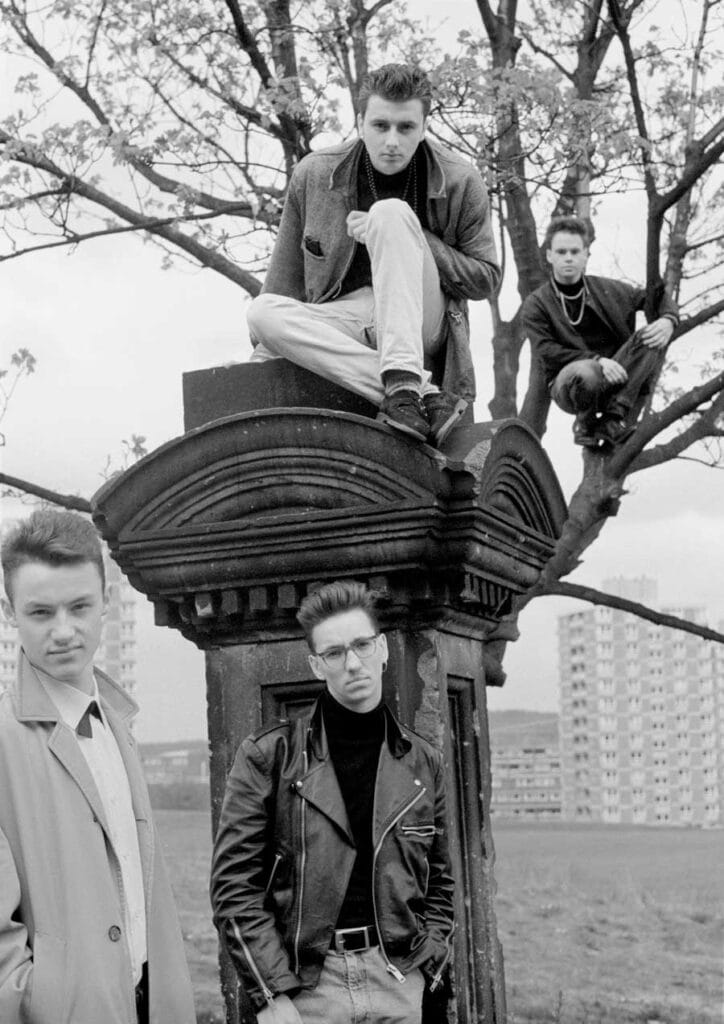
“But I think there’s great resilience. There is loads of passionate, optimistic stuff taking place, particularly on the DIY grassroots side of things. I think it’s really encouraging, really healthy, and it still feels unique. Sheffield is still a city that doesn’t sound like any other.”
Reading Groovy, Laidback & Nasty leaves you feeling motivated. Am I going to form a band? Probably not. But there is a bigger idea at the heart of it: express yourself, create your own thing. And that is relevant to anyone, regardless of what they choose to do. You come away feeling this book should be in every Sheffield school library, inspiring the next generation to embrace that Sheffield DIY ethos in whatever form it takes.
To quote Daniel: “Create your own entertainment for your own community – don’t copy others.”