For years now, Rafters has been quietly proving that exceptional food doesn’t need to come wrapped in white tablecloths, whispered conversations and silver cloches. Long before Sheffield found itself on Michelin’s radar, the Oakbrook Road restaurant had already begun challenging perceptions of what modern dining could look like.
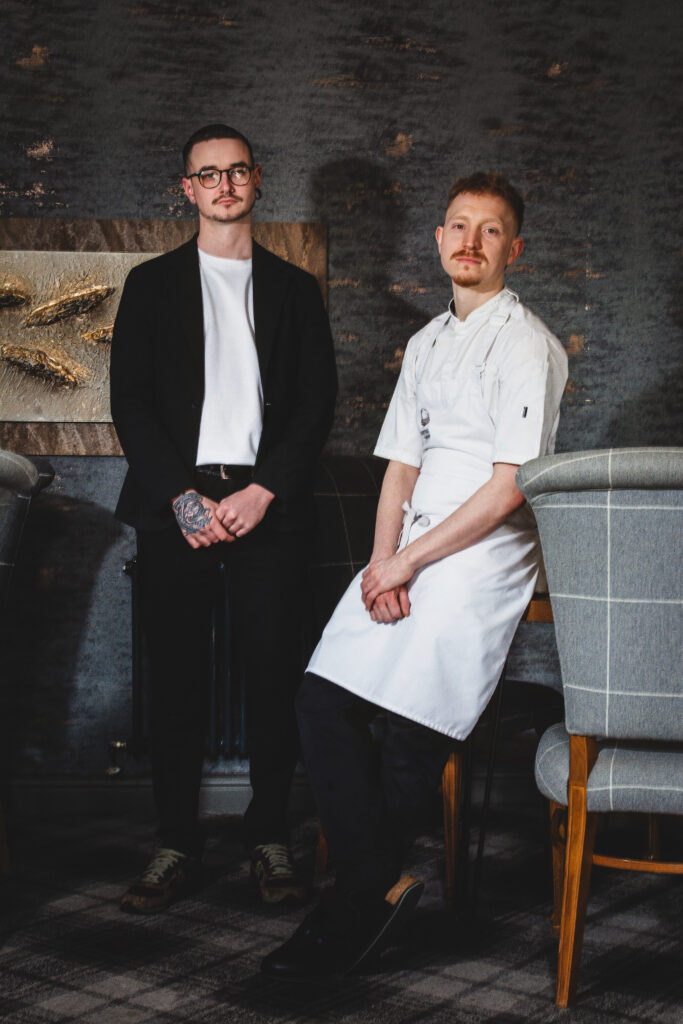
When owner Alistair Myers brought Head Chef Dan Conlon and Restaurant Manager Ben Ward into the business, the ambition wasn’t simply to preserve Rafters’ reputation as one of Sheffield’s premier special occasion restaurants. It was to evolve it.
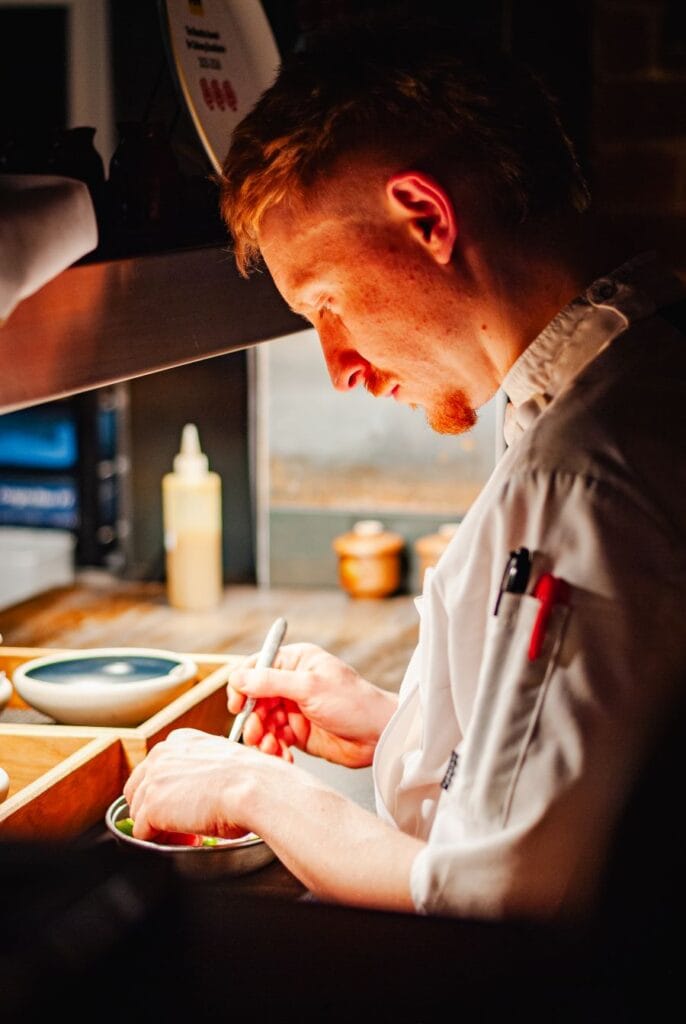
The food remained every bit as ambitious, but the experience became less formal and stuffy. A reputation that has, at times, been hard to shake. As Dan explained in an interview with Exposed: “People think we’re this stiff, old-school restaurant. But we want people to feel comfortable. We don’t want people to sit there in silence. We want them to come with friends, dress how they want and enjoy it.”
That philosophy has recently been rewarded with Dan becoming the only chef from a non-Michelin starred restaurant to make the final of the prestigious National Chef of the Year competition, while also quietly becoming one of the defining characteristics of Sheffield’s restaurant scene.
Today, many of the city’s most celebrated independent restaurants share that same outlook. They may differ wildly in cuisine, interiors and personality, but they all place genuine hospitality alongside exceptional cooking.
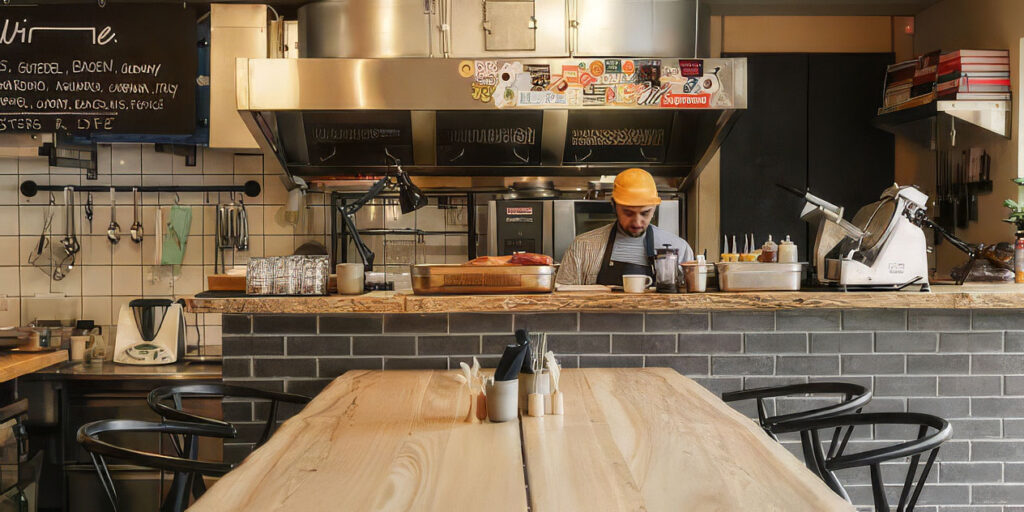
Earlier this year, the movement received its biggest moment of national recognition when Jöro became Sheffield’s first Michelin-starred restaurant.
For Luke French and Stacey Sherwood, it was the culmination of more than a decade spent building one of the country’s most distinctive restaurants. For Sheffield, meanwhile, it felt like validation that the city’s dining scene had quietly been heading in this direction for years.
Ironically, while a Michelin star – courtesy of everyone’s favourite French tyre company – remains the industry’s ultimate seal of fine dining approval, many of the restaurants driving Sheffield’s culinary rise, Jöro included, don’t see themselves as fine dining at all.
Instead, they’re part of something that has emerged organically across the city over the past decade: what many operators now simply call modern dining.
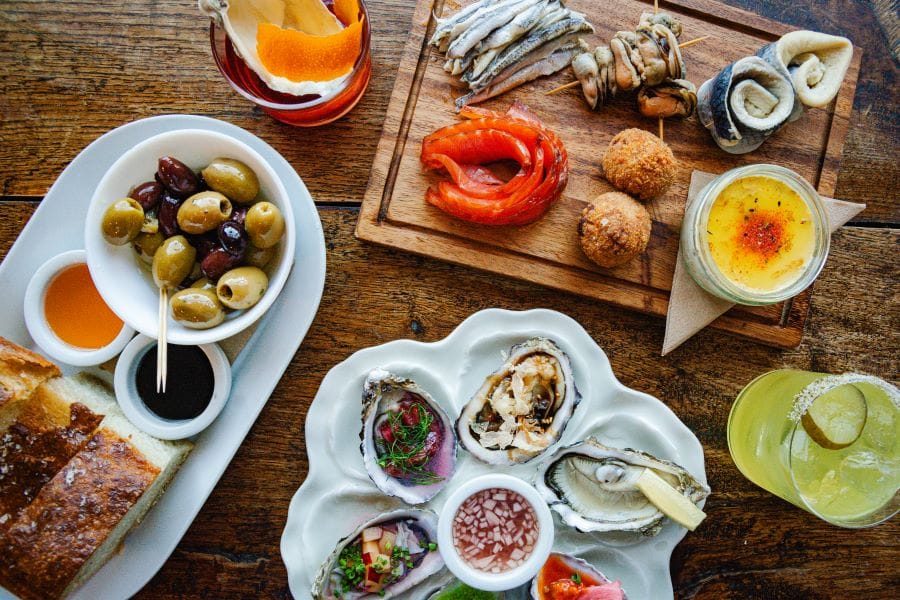
As Stacey Sherwood explains: “We just say ‘Modern Dining’ and stay as far away as possible from using Fine Dining in any context as it isn’t us. It’s taken us 10 years of crafting a unique identity and finally that break in tradition is being recognised. Not that there is anything wrong with fine dining either. Ultimately though it’s just about sticking to your identity – whatever that is – and success always follows.”
The distinction matters. Traditional fine dining has long been associated with ceremony and exclusivity. Modern dining takes a different approach. The standards remain uncompromising, the ingredients exceptional and the cooking technically accomplished, but the atmosphere is relaxed, welcoming and shaped by the personalities behind each restaurant.
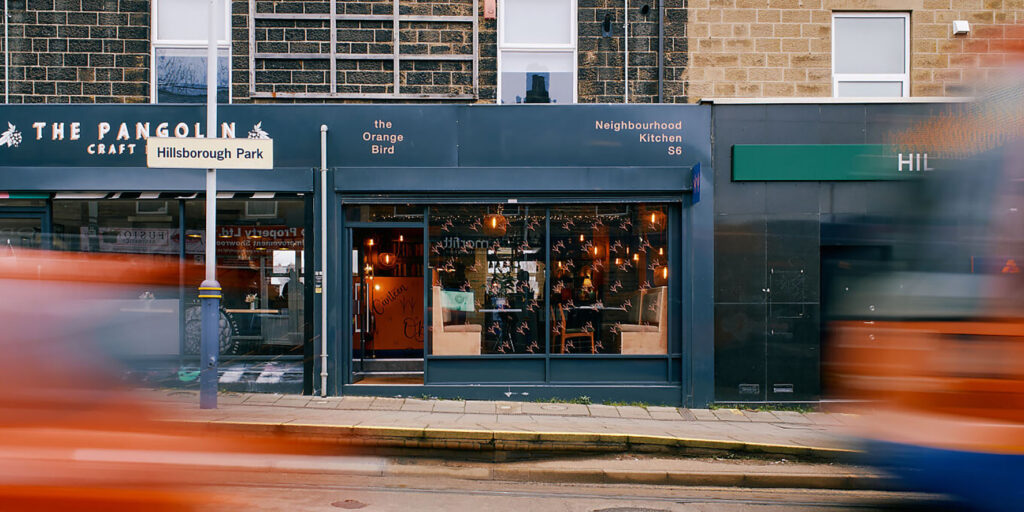
Across Sheffield, that philosophy has flourished. Bench has earned widespread acclaim for its ingredient-led small plates and carefully curated drinks programme. No Name has built a loyal following for inventive neighbourhood cooking. Native has become one of the city’s standout destinations for seafood, while Orange Bird combines bold South African flavours with warm, approachable hospitality.
What unites them isn’t a shared style of cooking but a shared confidence in doing things their own way.
As Rafters owner Alistair Myers puts it: “What’s exciting about Sheffield is that nobody’s trying to copy anyone else. Every restaurant has its own identity, whether that’s Jöro, Bench, Native or us. Diners here really respond to authenticity. They want incredible food, but they also want to feel relaxed and looked after. That’s pushed all of us to think differently about the experience we’re creating, and I think that’s one of the reasons Sheffield’s food scene is getting the recognition it deserves.”
Of course, the story stretches well beyond the restaurants most commonly associated with modern dining.
From the contemporary Italian cooking of Domo, Borgo, Grazie and North Town Kitchen to Japanese-inspired menus at Guyshi, acclaimed Indian restaurants including Ashoka, 5Tara and Lavang, Turkish favourites such as Mavi Ruya and Envers, alongside a thriving vegan scene and some of the country’s most underrated Ethiopian restaurants, Sheffield has quietly assembled one of the UK’s most diverse independent food cities.
Jöro’s Michelin star may have made the headlines, but it wasn’t the beginning of Sheffield’s story. It was recognition of a dining culture that restaurants like Rafters have helped shape for years – one built on creativity, individuality and the belief that exceptional food should feel exciting, not intimidating.
Or, as the people behind it would probably prefer to call it: modern dining.