It’s early afternoon on a Friday. Dog & Partridge has been open for roughly ten minutes, and already there’s a steady stream of punters trickling through its doors. Perhaps this should come as no surprise – it’s a sunny day, after all – and the longstanding Trippet Lane establishment is going for its third consecutive ‘Best Traditional Pub’ accolade at next month’s Exposed Awards.
However, as landlord Conor Smith explains, being busy isn’t enough to stave off the fears that keep him up at night as a business owner. “The problem is, even for pubs getting the footfall, you’re only ever two or three weeks of bad trade from serious difficulty. It’s a precarious situation – and that’s putting it mildly.”
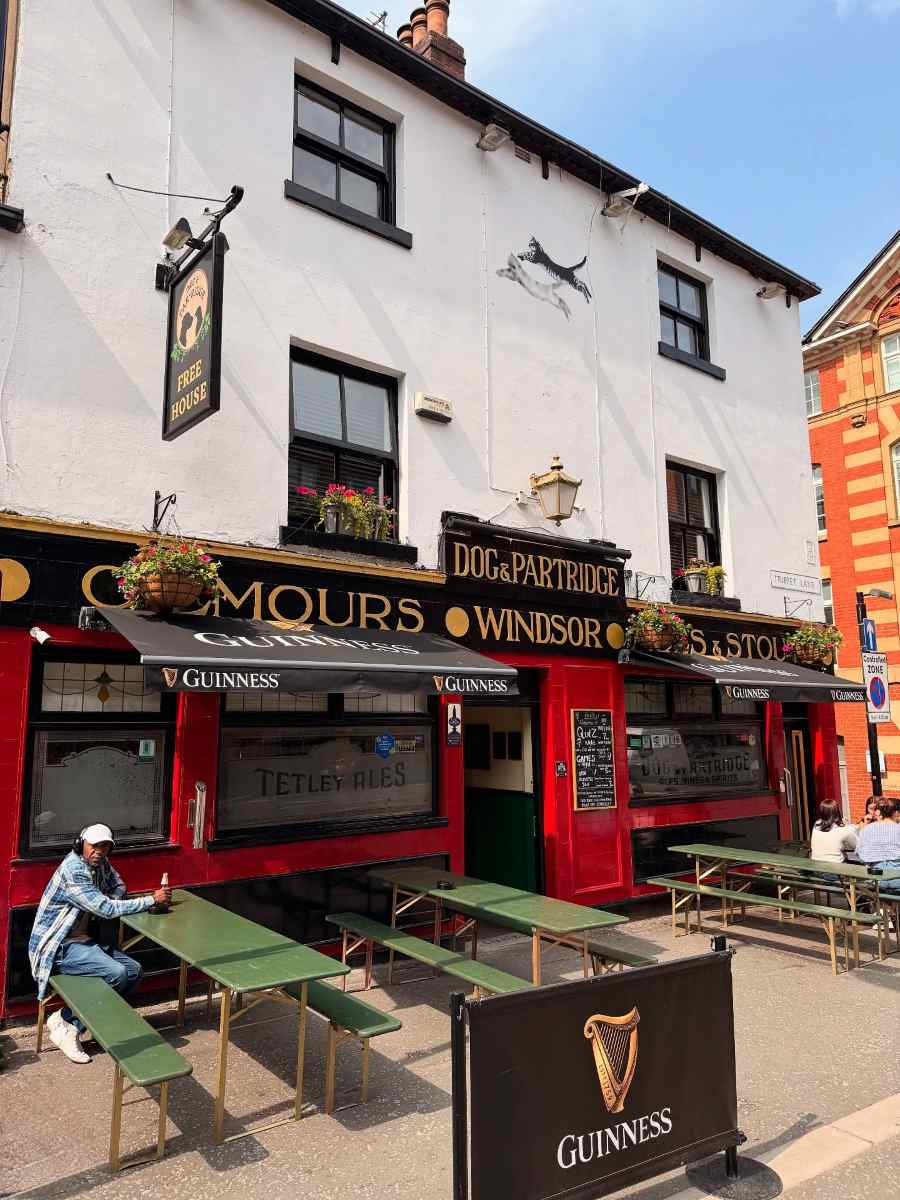
“The margins just aren’t there like they used to be,” he continues, waving in another group of lunchtime visitors. “People look at a full pub and assume it’s thriving. But once you strip it back, it’s a very different picture.”
The reasons stack up quickly. Some are familiar – energy, suppliers, wages – but the issue is how they land all at once. “It’s not just one thing going up. It’s everything moving together – and it all goes back out again as fast as it comes in.”
A point he’s particularly keen to stress is that turnover is not the same as profit, but much of the system treats it as if it is. Conor describes pubs as “tax collectors” – a line he half laughs at, but doesn’t take back.

He points to VAT sitting at the centre of that frustration. At 20%, it remains out of step with countries that have reduced rates for hospitality. “It’s one of the highest in Europe. Other places have cut it to support the trade. Here, it’s stayed where it is.”
For independent operators, there’s also a distinct lack of representation to fight back. Even though there are industry bodies pushing for change, Conor says they do not always reflect the needs of businesses like his. “A lot of it is geared towards the bigger groups. Independents are a huge part of the trade, but we’re all separate. There’s no real collective weight behind us.”
“The problem is, even for pubs getting the footfall, you’re only ever two or three weeks of bad trade from serious difficulty.
Despite a clear commitment to paying fair wages, staffing has become more complicated – particularly since changes to national insurance were announced in the Autumn Budget. “It pushes you towards splitting hours between more people, which then affects consistency and how settled your team is.”
All the tough decisions being made shape the experience for customers and, ultimately, the price of a pint. This is something pub owners are increasingly – and unfairly – facing criticism for from customers trying to keep an eye on their own expenditure.
“There’s a limit to what people think a pint should cost. You hear or read about it all the time – ‘it’s only gone up a few pence’. But that’s not how it works in practice.”
In a nutshell: a small increase at source rarely stays small by the time it reaches the bar.
“You end up adding 20p, not 3p. But people have read the headline, so they think you’re overcharging.”
As such, pubs become the visible end of a much longer chain – the point where frustration lands, even if the causes sit elsewhere.
As such, Conor argues that competing on price alone isn’t viable in the current climate; the real focus is on the experience once people are through the door. “You’ve got to give people a reason to be here. It’s about how they’re treated, how the place feels, whether they want to stay.”
There are limits to that approach. A well-run pub still operates within the same cost structure as everyone else, and some of the biggest pressures sit just ahead.
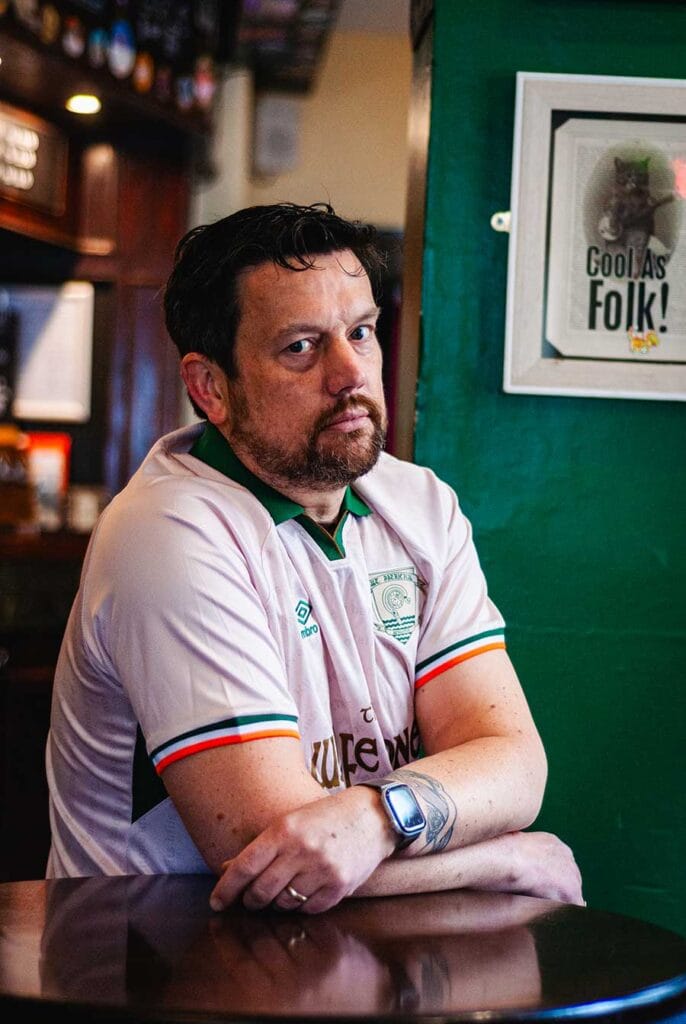
Business rates are the main one that keeps coming up. A temporary relief scheme has kept bills manageable, but only for now. “In three years’ time, if it goes back to where it was, I won’t be able to afford it. It’s as simple as that.”
If that scenario plays out across the sector, he predicts the effects will not be isolated. “You’ll see a lot of independents go. Chains will start cutting sites as well. It won’t just be one type of pub.”
At this point, the conversation moves beyond individual businesses. Jobs, suppliers and local spending are all tied into the same ecosystem – and all would be affected.

The tax issue surfaces again. Money kept within a business tends to be reinvested in staff, equipment, general upkeep. Money taken out as dividends, however, is a different thing. “Tax that, by all means,” he says. “But if you want businesses to survive, you’ve got to let them build something first.”
Alongside tax and rates, there are long-standing pressures within the trade itself. The ‘beer tie’ is one of them, requiring some tenants to buy stock from landlords at above-market rates. “You’re paying rent, and then you’re paying over the odds for your product as well. It just squeezes everything further.”
Attempts to loosen those arrangements have not always worked in practice and he suggests that more needs to be done to relinquish the grip of the landlords. “They’ve found ways around it. Shorter agreements, different terms. It doesn’t always give you the freedom it’s supposed to.”

All taken together, the direction of travel is clear. Not a sudden collapse, but a gradual thinning out of the offer – certainly fewer independents taking on pubs, and more stepping away when the numbers stop working.
“A lot of people will look at it and think, is it worth the risk? And if they’ve got another option, they’ll take it.”
For readers, the message from behind the bar is straightforward.
“Use independent places. If you want them to be there, you’ve got to go to them.”
Not everyone is looking for what a pub offers, and he accepts that is unlikely to change. “If someone’s happy staying in with a few cans from the supermarket, they’re not your customer anyway. That’s fine.”
Instead, the concern for places like the Dog sits with those who do value pubs but may not realise how narrow the margins have become.
“Every bit of spend matters more now. It all adds up. We now need everything we can get.”

The sobering bottom line is not empty pubs, but a model clearly under strain. Costs continue to rise, pricing has limited room to follow and policy has yet to catch up with the reality on the ground.
We end on a stark warning, as Conor gets up to assist with Guinness-pulling duties behind the bar.
“If things don’t change, it will look very different in a few years. It won’t happen all at once. But it will happen.”