In the late ’90s, 14-year-old Jamie Ferguson plastered the four walls of his room in a secure unit in Manchester with flyers for hardcore raves in Sheffield. He even crafted his own, boldly listing himself as the headliner. Jamie describes himself as a “lost soul” during these early years of his life, after a turbulent childhood in foster care and multiple expulsions from schools across Sheffield. He’d fallen into a life of crime and was facing the possibility of prison. The idea alone of getting his hands on a set of decks seemed far-fetched, let alone becoming an actual DJ.
His key worker, Jason, whom he fondly remembers, saw Jamie’s potential. While most of the young people Jamie lived with spent their modest allowance on tracksuits and trainers, he saved money for vinyl. It was that genuine love for music that compelled Jason to track down a pair of decks.
“It was at that point my life changed,” recalls Jamie. “Music saved me. I would have ended up in prison if it wasn’t for music.”
Jason’s kindness gave Jamie something to throw himself into, helping him find a new focus and narrowly escape a very different life.
After leaving the secure unit, Jamie returned to Sheffield to a new place of his own and focused on his music career. His weeks consisted of raving, collecting even more music and recording sets on a Philips CD recorder from his bedroom in Shirecliffe, the results of which he’d then share with taxi drivers, people on the street – anyone he could.
After building a name for himself across Sheffield, Jamie was approached by Martin Leverton, a promoter from a club night called Reflective at the then Capitol, now known as Network. He found himself there every Friday night. It was the place to be. Jamie became a popular DJ known for his eclectic musical taste and impeccable ability to read a crowd. So much so, he was approached by Sheffield’s most infamous nightclub, Niche.
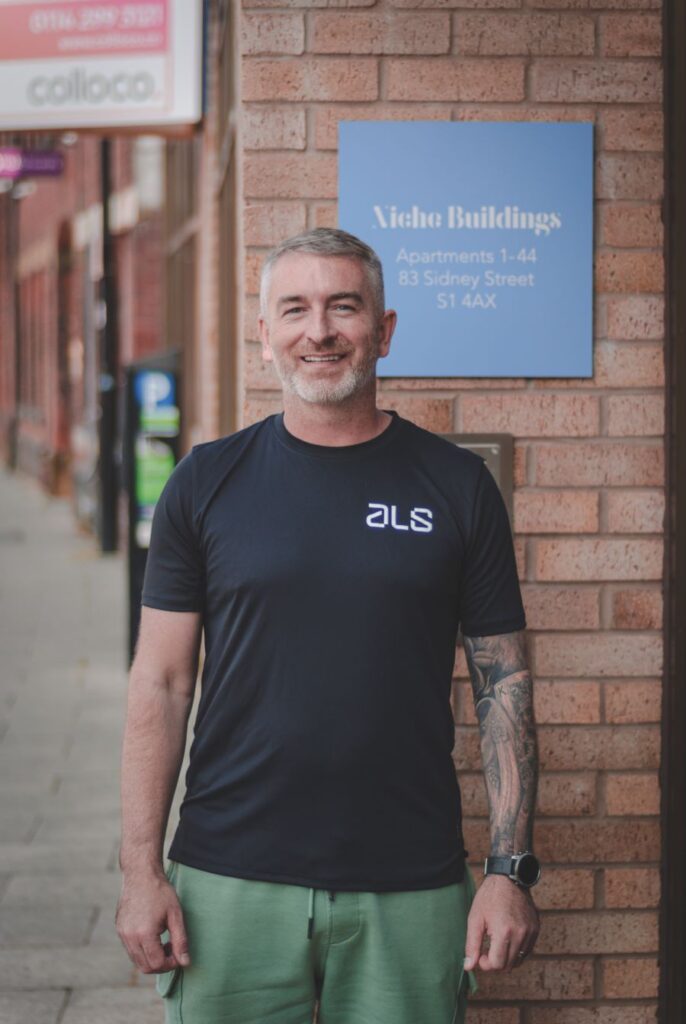
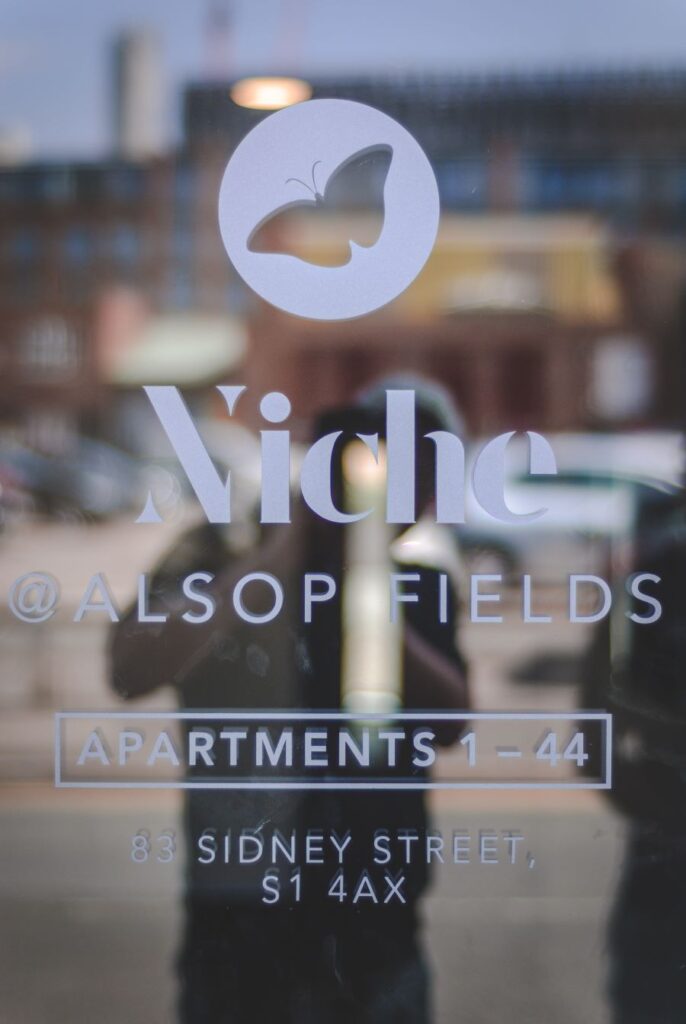
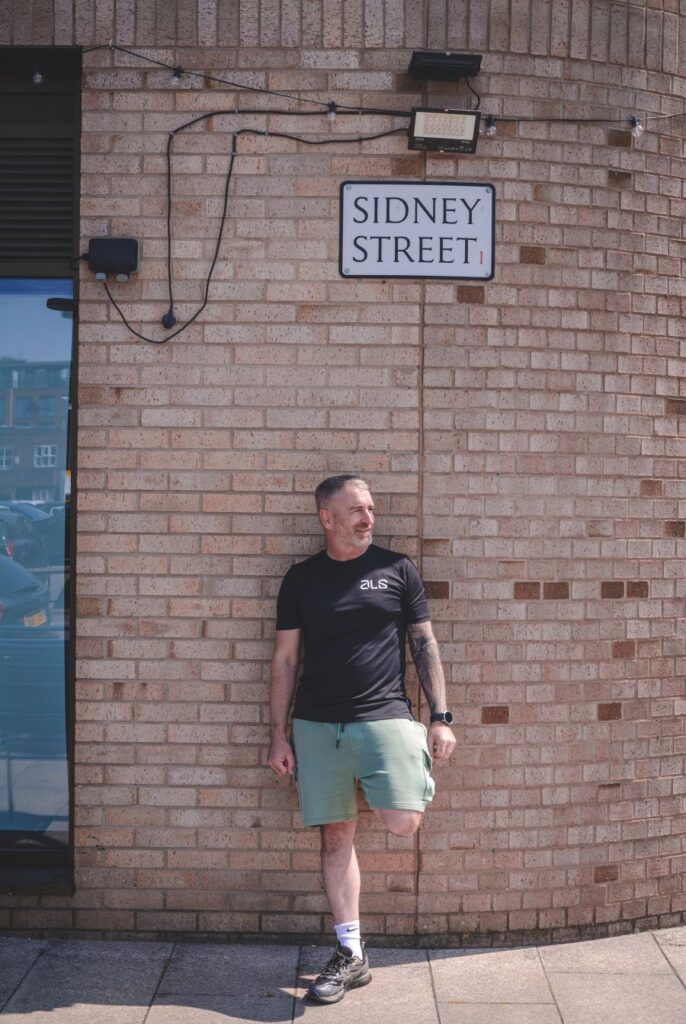
The club’s owner Steve Baxendale asked Jamie to jump ship – and he didn’t hesitate. “I felt like I’d just been signed by Man United,” says Jamie. He had been a regular punter at Niche for years, often spending entire weekends there and, consequently, the rest of the week recovering. The first time he walked through the doors on Sidney Street, he was hooked. “It blew my mind – I was like, what is this sound?” He quickly fell in love with the melting pot of genres Niche was known for: house, deep house, speed garage and bassline.
“Niche was like my church. You’d meet new people, you’d socialise, it’s all you’d talk about,” he explains. The club drew DJs and partygoers from across the UK and became widely recognised for its role in the birth of bassline. But it also became infamous for frequent police raids, which eventually led to its closure.
In November 2005, Jamie played at Niche one final time. He was behind the decks the night the club was raided and shut down for good. Even after the original venue closed, Niche’s legacy lived on, with reunions and events celebrating the music and atmosphere that defined a generation.
Leaving the club life behind, he began to seek a new purpose. This led him into youth work and residential childcare, supporting young people in crisis units, all the while DJing across Yorkshire and staying connected to his musical roots.
Jamie went on to make his own music, often collaborating with a good friend and producer, Detox. Working quietly behind the scenes, he began honing his sound, diving deeper into house music. He later teamed up with producer Scott Lowe, who helped him refine his technical skills, a partnership Jamie describes as “a game-changer”.
When lockdown hit, Jamie locked himself in the studio, channelling his energy and free time into making music. This is where his next venture would unfold: not only making music but teaching others how to do it too. In 2022, he became manager of Stem Studios in Attercliffe, working with both young people and private clients on music production and ghostwriting. In January 2024, a new opportunity emerged: the chance to have his very own studio on Arundel Lane in Sheffield city centre, hence the name Arundel Lane Studios.
Jamie was able to bring together his two greatest passions: music and supporting those who need it most. As well as private lessons, he works with Sheffield City Council to offer alternative provision for young people who, for one reason or another, don’t suit a traditional school setting.
The studio has since expanded to Stag Works on John Street and recently partnered with Sheffield City College. As part of the collaboration, he’ll be delivering lectures on the music industry, covering topics including breaking into the business, artist development, music production and sound design. From September, he’ll also be running courses for the college from Arundel Lane Studios.
Jamie tells me that, for some people, engaging in music has given them a sense of direction: “A lot of people don’t know where they’re going. But if they come here and realise it’s music they’re into, we empower them through it.”
“Some people don’t even leave the house because they’re struggling with anxiety,” he adds. “Then they come here and before they know it, they’re out there getting jobs. Those stories are really rewarding.”
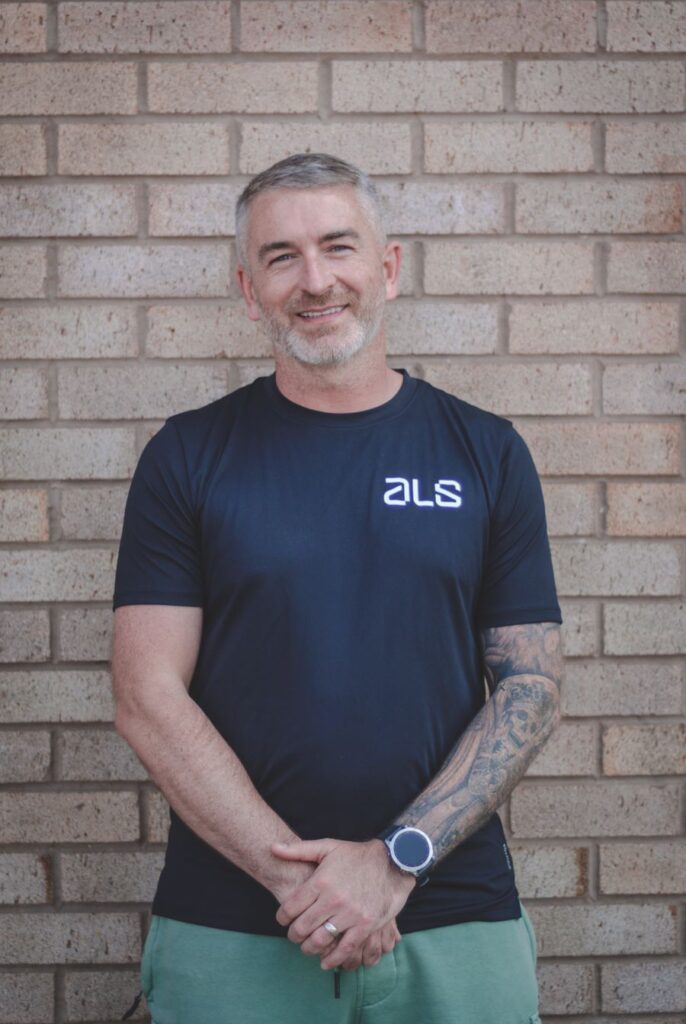
On top of running the studio full-time, Jamie continues to make his own music, DJs across the country and makes the occasional appearance on an Ibizan stage.
“It’s the opinion you have of yourself that will take you further,” he says. Perhaps it’s that unwavering self-belief, even when the odds were stacked against him, that has shaped Jamie’s success.
Not only did he go on to headline some of Sheffield’s best clubs, Jamie has achieved even more by helping people who, like he once was, simply need someone to believe in them.
It turns out his attempt to manifest a career in that secure unit in Manchester was not so far-fetched after all.