Stephen Carley has been making art that challenges audience expectations for decades.
To call him a ‘multimedia artist’ is an understatement – the variety of materials and modes in his portfolio ranges from double-exposed photography to soundscapes, found objects and clay artefacts, glitchy visual films and experimental live performances, adding new techniques to the list with every project.
He’s even working on turning an old canal barge into a floating art installation that’ll pop up somewhere around Nottingham in the not-too-distant future.
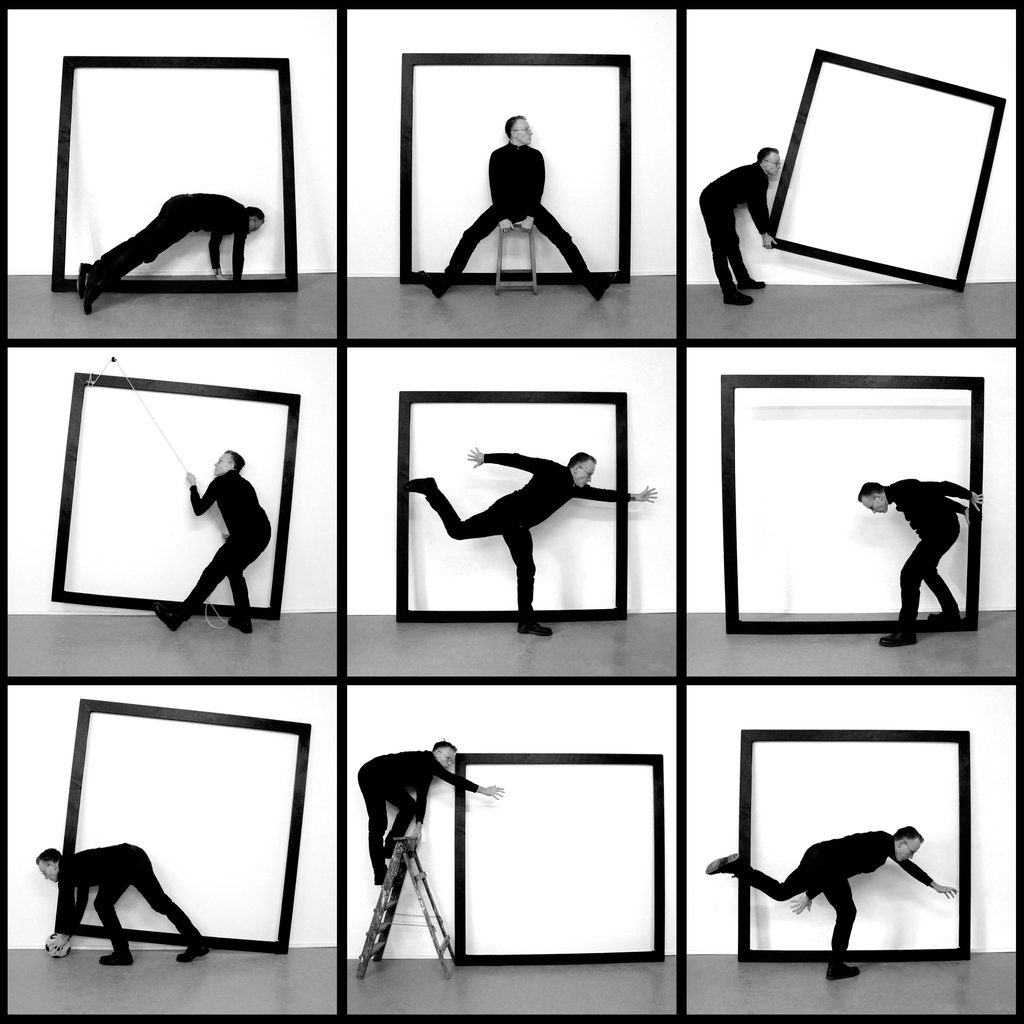
Based in Sheffield, Stephen’s art tackles and reflects on an ever-expanding pool of concepts and salient political issues. His socio-political commentary often confronts the ‘psychogeography’ of experiencing a sense of place in urban landscapes, inspired by the history and culture of the Steel City.
“It’s this sense of how we connect with our immediate environment, very specifically the city, for me, whether that’s a symbiotic relationship or something which is antagonistic,” he explained. “I tend to work in a number of different ways, so my practice is quite idiosyncratic.
“By the time you’ve been doing this for so long, some things are just like autopilot. But I love putting myself in situations where I have no idea what is going to happen, and I love having to acquire new skills or levels of understanding.”
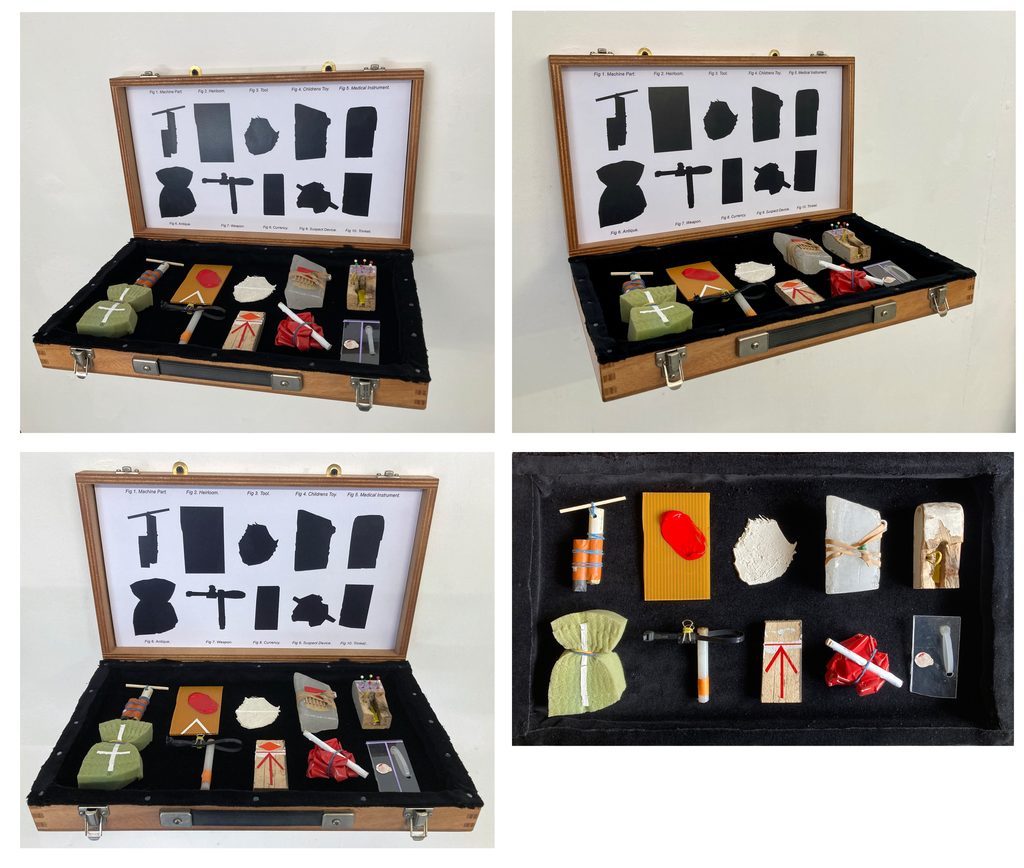
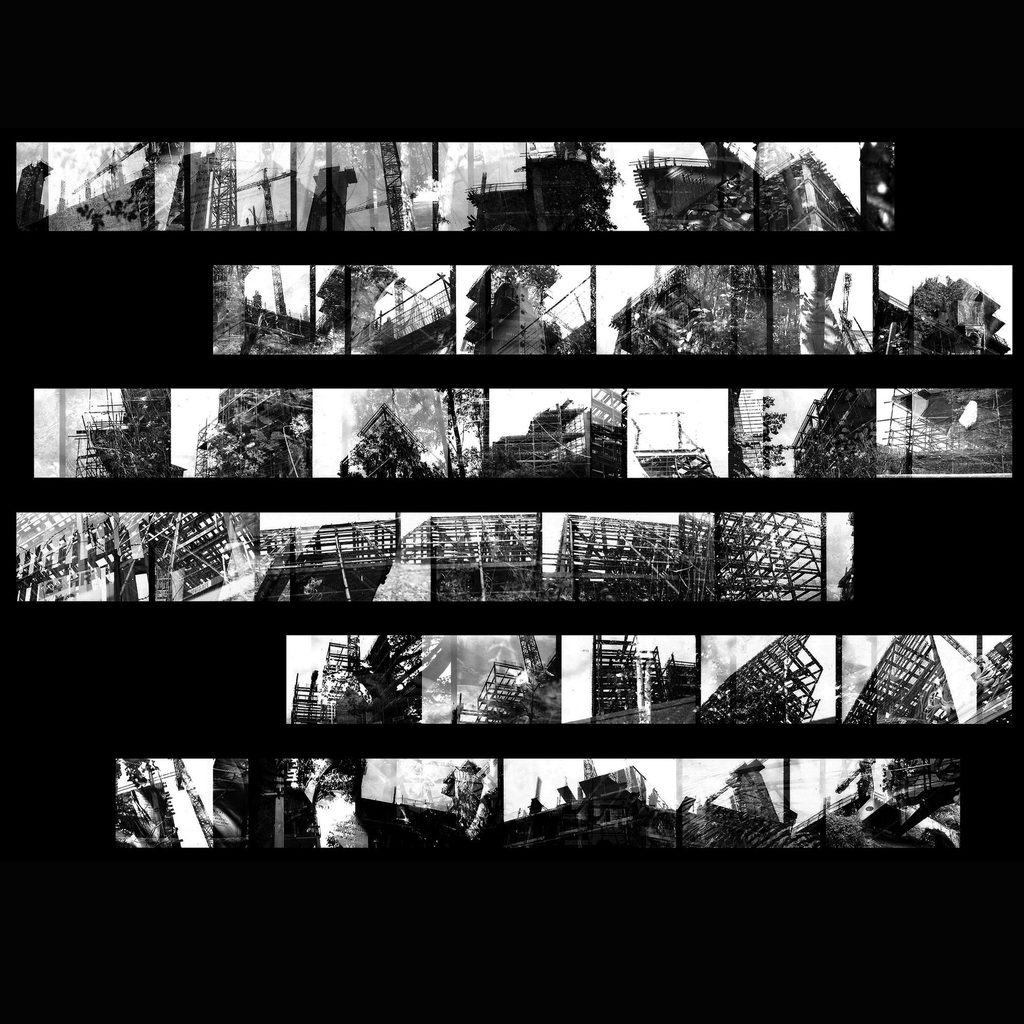
Stephen’s unpredictable process leads him to brand new locations with his film camera, exploring the city’s evolving landscape by observing often-overlooked spaces.
“It’s all analogue stuff – I’ll shoot a roll of film, maybe at a new block of flats going up, or I’ll go down the river and shoot things down there, or I’ll go to the general cemetery, and I’ll superimpose and double expose it.
“It has to be a sunny day, because I’m looking for real stark contrasts between shadows and light, because everything gets burnt out in the process – I know I’ll lose some things and gain something, so you get these strange abstractions, which I quite like because it’s like creating a weird utopia, a new double-vision world.”
After moving to Sheffield in 1988, Stephen was instantly confronted by the widespread effects of the fading steel industry on the city’s culture. The disconnect between the city’s declining industrial core and the rise of new developments has informed his work for decades.
“There was the post-Thatcher stuff going on, the horrible policies she put in that basically wiped out places like Sheffield. And then there was this strange futuristic thing with projects like the World Student Games, and I was thinking, where’s this going?” he said. “[My work] connects these – stuff about memory and history and nostalgia, and this weird forward-looking thing with all these new buildings and ‘growth’.”
Sheffield’s close-knit community of artists has been a lifeline for so many of the city’s creatives, with joint ventures, and Stephen has many more collaborative ideas up his sleeve.
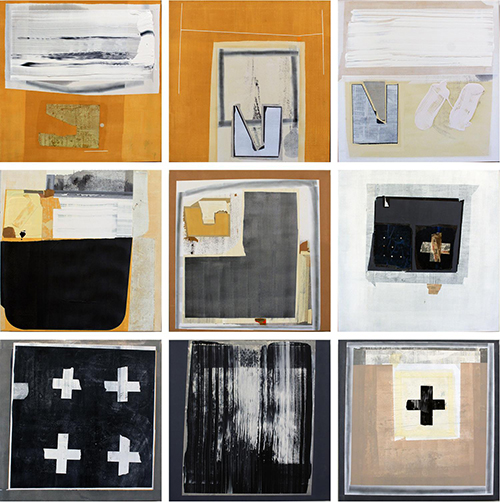
“I’ve grown up really identifying Sheffield as my spiritual home – it is and always has been a really unusual place,” he added. “There’s something about the creative community that works despite some of the hardships. Over the years I’ve collaborated with people who have just absolutely backed me to the hilt, I’m not quite sure that happens in the same way elsewhere.”
His newest project is a bold solo show at Abbeydale Road’s new pop-up gallery The Shop, from 10-19 September. ‘Snow Blind / White Noise’ combines Stephen’s hand-crafted artifacts, live performances, “good old fashioned” analogue photography, soundscapes and interactive pieces. A friend suggested he would be “regurgitating the contents of [his] studio” into the gallery space.
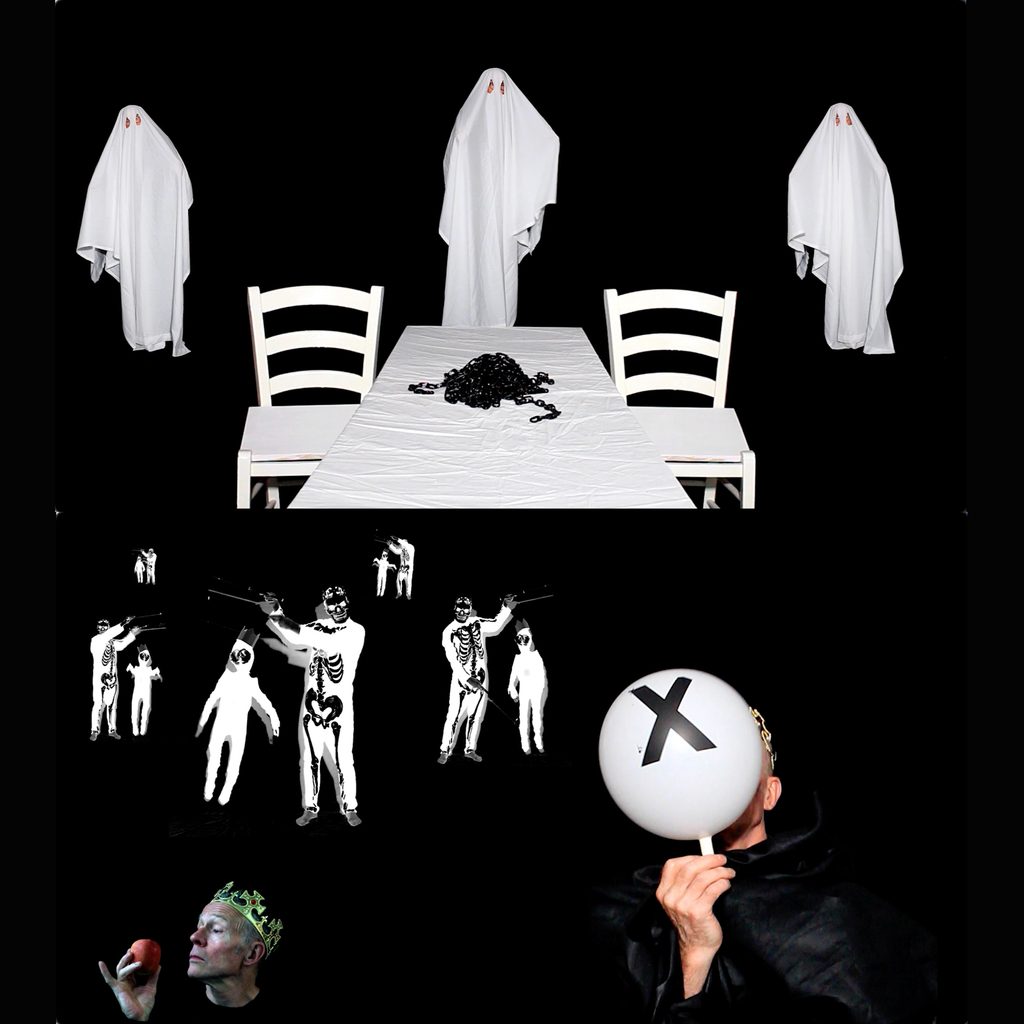
“This performance piece has seen two iterations already, and bit by bit, I’ve refined it and re-devised it and brought it down to something which is a bit more manageable,” Stephen explained. “I’ve been teasing out more of the humour and more of the bleakness and more of the surreal, dada qualities as well.”
His performance of ‘Bedtime Lullabies and Other Tall Stories’ promises to be a bonkers, subversive display of just what Stephen’s work is all about. Featuring his alter ego characters – including a silver foil-wrapped robot, a classic two-holes-in-a-sheet ghost, and a lewd yet vulnerable clown – the live show seeks to unsettle audiences’ expectations, getting up close and personal with his material.
“[The stories] are more like nightmares, to be honest. This series of alter egos are so rubbish that they’re brilliant. They allow me to behave in different ways, which I wouldn’t if it were just me, I would feel naked. It’s like putting another skin on.
“A lot of the content has got quite strong commentary about global conflict, environment stuff and the socio-political context. At times, it sounds like either the work of a madman or somebody reading a children’s story. The audience don’t know whether to laugh or cry.”
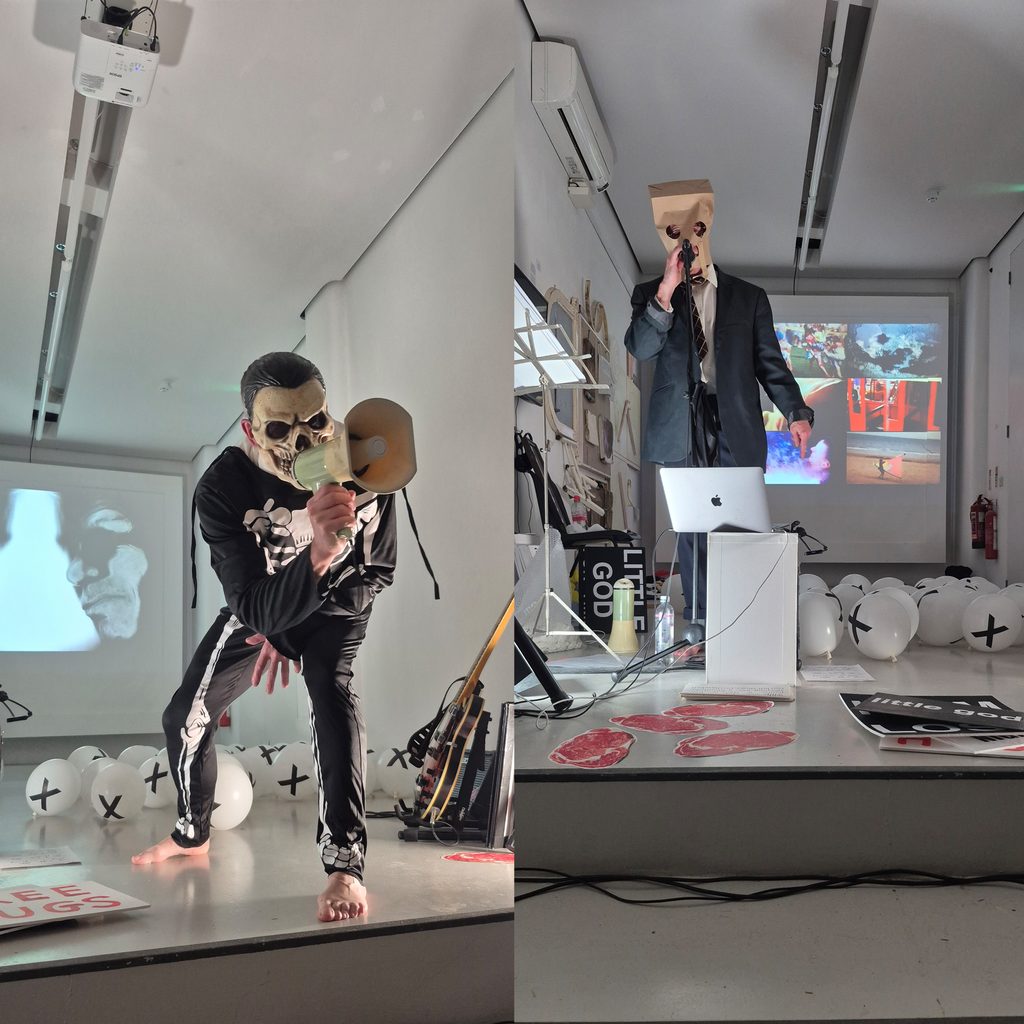
This month, Stephen is set to showcase his art at The Harley Foundation’s biennial open exhibition, which features work from an incredibly diverse range of creative voices. “It’s quite a big deal, and I’m really chuffed to have got a piece in it”, he said.
He’s also been shortlisted for this year’s Trinity Buoy Wharf Prize in London, considered the UK’s most prestigious open exhibition for drawing. The artistic medium is up for interpretation, and, naturally, Stephen has opted to create a performance film that exceeds all traditional assumptions of what ‘drawing’ can mean.
He added: “It does feel very punk, it feels like I’m not playing by the rules, it feels like I’m setting my own standards. I’m asking people not to even accept it, just to let me do it.”
To keep up to date with all of Stephen’s latest projects, check out his Instagram @carley.stephen.