Shopping for a vape device can feel confusing with so many models on store shelves today. Everyday buyers want gear that works reliably, tastes great, and fits comfortably in a pocket. Cutting through marketing noise means looking closely at core hardware specifications. Knowing how power settings, coil materials, and battery sizes shape your daily experience makes choosing the right unit straightforward.

Material Quality and Chamber Construction
Finding a reliable setup requires understanding how different hardware components interact with your material. When users choose empty oil cartridges for custom setups, material quality determines flavor purity and vapor output. Ceramic elements inside these chambers distribute thermal energy evenly without scorching delicate liquids. Selecting glass or high-grade quartz housings prevents chemical leaching during extended storage.
Plastic tanks cost less upfront, but heat exposure distorts taste after repeated use. Metal components should feature food-grade stainless steel to resist oxidation. Adjustable intake holes allow buyers to match aperture size directly to liquid viscosity for smooth draws.
Hardware Architecture and Design Elements
Every vapor device relies on a coordinated set of physical building blocks. Federal health studies explain that most devices unite four primary parts: a fluid pod or tank, an internal heating element, a power battery, and an ergonomic mouthpiece. Each piece performs a distinct job to transform liquid into inhalation vapor.
When any single component fails or degrades, performance drops immediately. Simple pod systems combine the fluid reservoir and heating unit into a disposable module. Modular systems separate these components, letting users swap worn atomizers without discarding the main frame. Choosing modular hardware reduces long-term replacement costs for daily users.
Core Specifications to Evaluate
Evaluating technical specifications helps buyers avoid purchasing underpowered or incompatible hardware. Comparing key performance figures on manufacturer packaging reveals how a unit performs under regular use.
- Battery Capacity: Measured in milliampere-hours (mAh), higher ratings mean longer operating times between wall charges.
- Voltage Control: Variable output options allow users to raise or lower heat levels for customized vapor density.
- Resistance Rating: Lower resistance coils create thicker clouds. Higher resistance coils conserve battery power.
- Connection Type: Standard 510 threading offers broad cross-brand compatibility across tanks and accessories.
Selecting hardware with clear specifications eliminates guesswork during daily operation. Devices featuring broad setting ranges adapt easily if your preferences shift later.
Battery Power and Thermal Output
Power delivery dictates how fast a unit reaches operating temperatures. Public health documentation notes that standard lithium-ion batteries supply enough current to heat an atomizer to 400 degrees Fahrenheit within seconds. Fast heating delivers quick satisfaction without long warm-up delays.
Lithium-ion cells require built-in safety circuitry to control energy release. Overcharge protection prevents internal overheating during overnight plug-ins. Pass-through charging features let owners use their device during wired charging.
Compact pen-style batteries work well for quick trips around town. Larger box mods hold bigger power cells that last multiple days between charges. Pick a capacity that fits your daily schedule so you never end up with a dead battery away from home.
Airflow Control and Draw Style
Airflow mechanics directly control vapor temperature and draw resistance. Tight airflow mimics traditional smoking by drawing vapor into the mouth before inhaling into the lungs. Open airflow pulls air straight into the lungs, producing bigger clouds and cooler vapor.
Adjustable airflow rings give users direct control over their draw preferences. Turning a ring opens or closes intake slots along the base of the atomizer. Tightening intake slots concentrates flavor profiles. Opening intake slots cools down high-wattage heat output.
Top-airflow designs direct intake air down through internal channels before hitting the coil. This physical pathway minimizes bottom leakage, keeping exterior surfaces clean. Devices with fixed airflow offer simplicity, but lack the tuning options preferred by experienced enthusiasts.
Size, Portability, and Daily Maintenance
Device dimensions dictate how easily a unit fits into daily routines. Pocket-sized pod systems weigh under two ounces, making them ideal for subtle travel. Heavy-duty mod setups offer maximum battery life, though their bulky frames require bag storage.
Cleaning and Coil Upkeep
Regular maintenance keeps vapor tasting clean and prolongs component life. Residue builds up inside heating chambers with repeated use, reducing vapor production. Swabbing connection threads with isopropyl alcohol removes sticky oils. Replacing worn coils every few weeks prevents burnt tastes and protects internal electrical connections.
Temperature Tuning and Power Modes
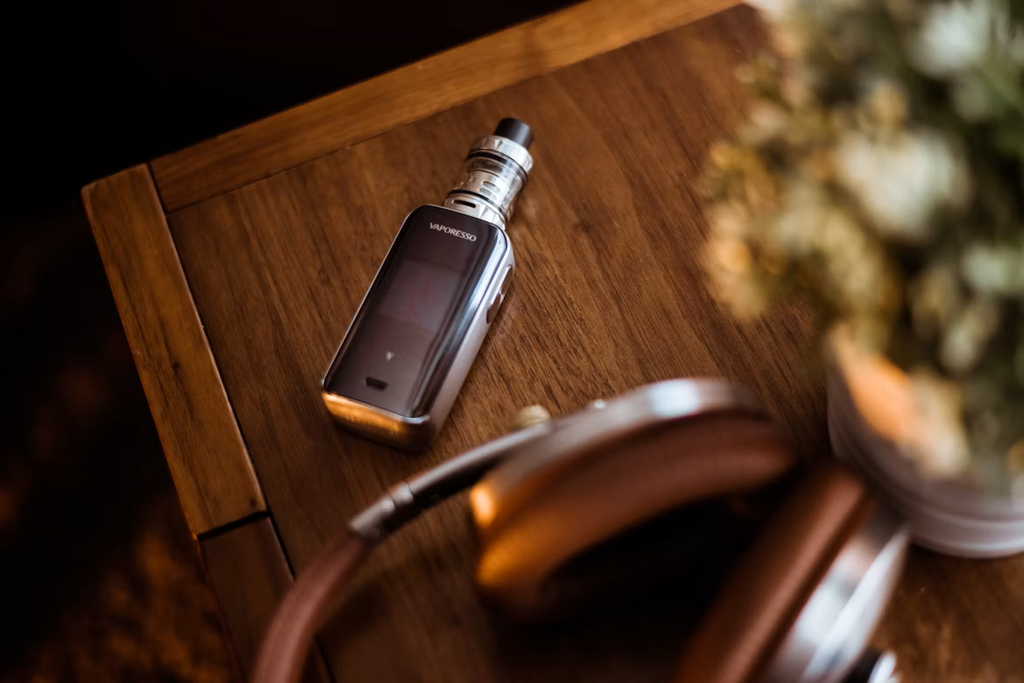
Advanced power modes let users fine-tune heat output to match specific materials. Voltage-variable batteries allow simple manual adjustments using dial bases or click buttons. Advanced chipset displays show precise wattage, resistance measurements, and puff counters.
Temperature control modes regulate coil heat by monitoring resistance changes. Setting a hard heat ceiling prevents burnt wick hits when fluid levels drop low. This automated regulation preserves subtle flavor profiles that destroy easily under high temperatures. Beginners can start with basic fixed-voltage batteries before moving to complex chipsets.
Selecting the right vaping setup comes down to balancing battery life, heating materials, and physical size. Prioritizing solid construction over flashy styling guarantees consistent performance every day. Simple pod devices suit beginners wanting quick operation, but custom modular setups give experienced users complete control over vapor output. Matching specifications to your personal habits secures long-term satisfaction with your investment.