Disclaimer: This article is not intended to be a recommendation. The author is not responsible for any resulting actions of the company during your trading experience. The information provided in this article may not be accurate or up-to-date. Any trading or financial decision you make is your sole responsibility, and you must not rely on any information provided here. We do not provide any warranties regarding the information on this website and are not responsible for any losses or damages incurred as a result of trading or investing.
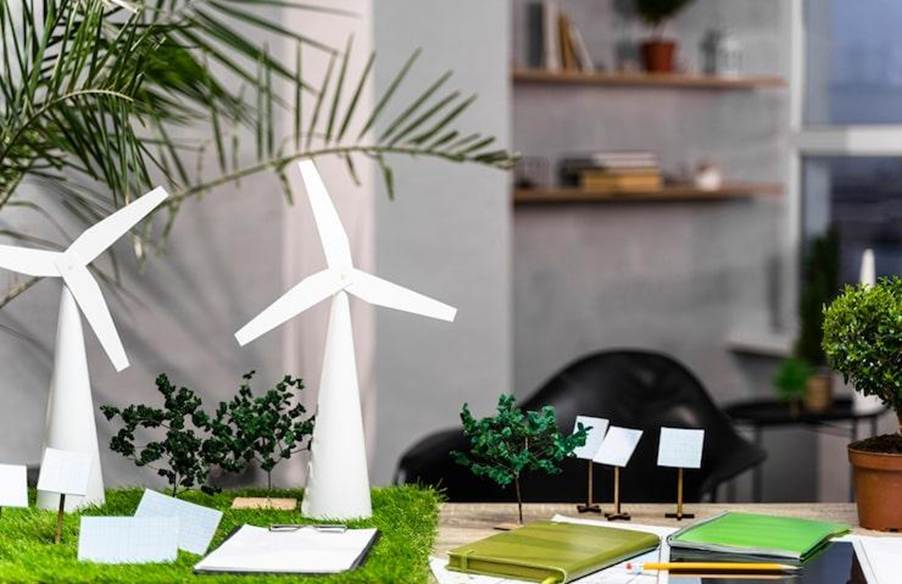
Energy spending has become a growing concern for many companies. Prices shift often, buildings rely on more devices than ever, and daily operations rarely slow down long enough for teams to review energy habits. This creates a steady rise in costs that can be avoided with the right approach. Smart adjustments help companies protect their budgets without interrupting productivity. The strongest results come from simple, clear steps that fit naturally into the flow of work.
Gain Better Insight Into What Uses the Most Power
A cost-saving plan starts with understanding how the building uses energy each day. Many companies guess their usage patterns and end up missing important details. Smart meters and online dashboards provide real data that reveals peak hours, heavy equipment loads, and unnecessary spikes.
These insights help teams make informed adjustments instead of random cuts. A clearer view of usage also helps during contract renewal and financial planning. The EIA reportshow much of a building’s energy goes to heating, lighting, and equipment — a breakdown that helps spot major savings opportunities.
Use Flexible Plan Options to Support Monthly Spending
Traditional power plans often include upfront deposits or credit checks that slow down new teams or small businesses. Flexible plans help remove that pressure and support smoother budgeting. Some platforms highlight choices such as no deposit electricity, which can make setup faster and reduce the stress linked to early costs.
These flexible plans also give businesses more control during changing seasons. When usage increases during busy periods, flexible billing can help soften the impact and protect cash flow.
Shift High-Load Tasks Outside Peak Hours
Many companies use heavy equipment during the most expensive hours of the day. This pushes monthly bills higher without adding any real benefit. Reviewing the building’s peak hours helps identify when costs rise the fastest. Shifting certain tasks to off-peak times often creates instant savings. Equipment like printers, washers, or workshop tools can run on timers during lower-cost periods. Teams do not feel any disruption, and the business reduces spending without cutting workload.
Upgrade Lighting to More Efficient Options
Lighting is one of the easiest areas to improve. Older bulbs and fixtures use far more power than modern LED options. They also make temperature control harder by producing extra heat.
LED lighting solves both issues. It lasts longer, uses less electricity, and keeps the workspace more comfortable. This upgrade requires very little maintenance and begins saving money immediately. It is one of the fastest improvements a company can make with almost no operational impact.
The Department of Energy explains how LED lighting cuts energy use and reduces long-term costs in commercial spaces.
Improve Control Over Heating and Cooling
Climate control is a silent program that is usually operated in the background, but can significantly affect the power bills. Even minor adjustments to thermostats make significant savings. Smart thermostats provide more control with the ability to react to the activity in the building and slow down during slow building times.
A minimal fluctuation in the temperature settings on evenings and weekends can cut costs. Simple HVAC service is also beneficial. New filters and serviced fans, as well as clean filters, enhance airflow and place less pressure on the system.
Reduce Energy Loss Throughout the Building
A lot of buildings waste a lot of energy, and nobody notices it. Old windows, drafty doors and thin windows can also make systems work harder. Testing the common trouble spots assists in identifying such problems in a short time.
Cold spots are usually the signs of the areas to consider, like cold spots near the windows or hot spots around the machines. Basic remedies such as filling up holes or insulating can stabilise indoor temperatures and reduce energy wastage. Staff will also notice improved comfort while working.
Replace Power Heavy Machines Over Time
Ageing equipment consumes more electricity than modern models. Older machines also produce more heat, need more repairs, and interrupt workflow. Replacing them gradually is a practical approach for most businesses.
Starting with machines that run all day gives the strongest immediate impact. Even one upgrade can reduce energy usage across the entire building and support smoother daily operations.
Build Better Staff Habits Around Energy Use
Staff behaviour shapes a large share of energy spending. Lights left on, screens that stay active after hours, and equipment running in empty rooms all add unnecessary cost. Small habits help fix this without any pressure on productivity.
Simple actions like turning off lights after a meeting or shutting down unused devices make a noticeable difference. Providing clear guidance and consistent reminders helps teams stay aware and build stronger habits over time.
Review Power Bills for Hidden Fees or Shifting Patterns
Energy bills include more than the basic rate. Delivery charges, demand fees, and seasonal adjustments all affect the final cost. Many companies look only at the total amount and overlook these details.
Reviewing each month’s bill helps identify early signs of problems. A sudden increase in demand fees might suggest that too many devices start at the same time. A shift in delivery charges might point to equipment strain or rising peak usage. Understanding these changes helps teams correct issues before they grow.
Match Contract Terms With Real Business Needs
Energy contracts vary widely. Some offer long-term stability, while others adjust to market changes. A strong choice depends on the company’s growth, workload, and risk level. A stable business may prefer a longer contract for predictable spending.
A fast-changing team may benefit from shorter terms. Comparing contract structure with actual usage prevents mismatched plans that cost more over time.
Use Automation to Reduce Daily Oversight
Automation helps reduce human error and create consistent savings. Motion sensors switch off lights automatically. Smart plugs track power use and reduce standby drain. Timers control equipment so it runs only when needed.
These tools reduce the mental load on staff and improve efficiency with minimal upkeep. They support a smooth work environment while quietly lowering monthly expenses.
Final Thoughts
Modern companies face rising power costs, but many solutions are simple and practical. Strong habits, modern equipment, flexible plans, and clear oversight help build long-term savings without slowing productivity.
The most effective approach comes from steady, thoughtful improvements. Each positive change supports a more predictable and cost-efficient future.