Disclaimer: This article is not intended to be a recommendation. The author is not responsible for any resulting actions of the company during your trading experience. The information provided in this article may not be accurate or up-to-date. Any trading or financial decision you make is your sole responsibility, and you must not rely on any information provided here. We do not provide any warranties regarding the information on this website and are not responsible for any losses or damages incurred as a result of trading or investing.
There is something satisfying about opening your wardrobe when the weather starts getting colder and finding clothes from last year that still deserve another season. That favourite jumper, the coat that goes with almost everything, or a pair of trousers that has survived countless outings can make getting dressed feel much easier. It also makes me think differently about shopping. Instead of asking how much an item costs, I am starting to consider how often I will actually wear it.
Autumn and winter clothing can be a bigger investment than summer outfits. Between jumpers, cardigans, coats, trousers and layering pieces, the costs can add up quickly. This is one reason affordable fashion retailers such as SHEIN attract attention. There is plenty to browse, but the more interesting question is whether those seasonal purchases can remain useful beyond the first few months.
Rather than judging a wardrobe by how many new pieces it contains, I prefer looking at what deserves to stay in rotation.
Month 1 vs. Month 12: What Should You Look For?
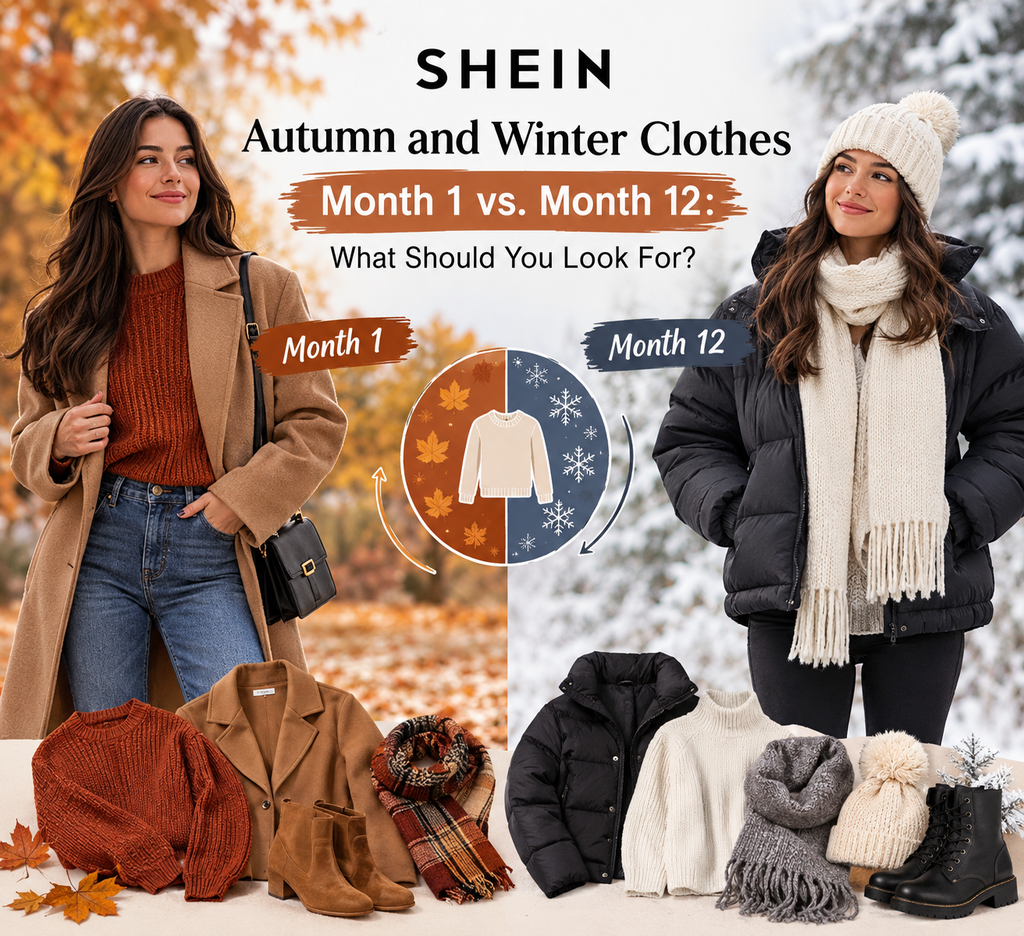
Imagine buying a few autumn and winter essentials at the beginning of last year’s colder season. You choose a knitted jumper, a casual cardigan and a pair of trousers that work with several outfits. They are affordable, suit your style and feel like sensible additions to your wardrobe.
During the first month, everything looks fresh. The colours are vibrant, the fabric feels new and the clothes fit as expected. However, the real test comes after repeated washing, wearing and storing them between seasons.
By month twelve, I would pay attention to several things:
- Pilling: Has the fabric developed small bobbles, particularly around the sleeves and underarms?
- Colour: Do darker shades still look consistent, or has repeated washing caused fading?
- Shape: Have jumpers stretched around the neckline or sleeves?
- Seams: Are the stitching and hems still holding together?
- Surface condition: Are there signs of thinning, snagging or excessive wear?
When browsing SHEIN’s autumn and winter clothing collections, I would pay particular attention to fabric composition and customer photographs. A garment’s appearance in a listing does not tell the whole story, and different materials can behave very differently over time.
Shape Retention, Fabric and Everyday Wear
One thing I have learnt about building a practical wardrobe is that versatility matters just as much as appearance. A jumper that works with jeans, trousers and skirts is likely to get more use than something that only suits one outfit.
With SHEIN, the range includes different materials and garment styles, so it would be unfair to make one durability judgment across the entire collection. A polyester-blend jumper, a cotton T-shirt and a knitted cardigan will all have different care requirements and wear characteristics.
I would also distinguish between looking good after one wash and retaining its shape after twenty. Checking the washing instructions, avoiding unnecessarily high temperatures and storing knitwear folded rather than hanging can help preserve garments.
SHEIN also provides a programme called SHEIN Assurance, with product labels explaining certain quality-management and independent testing processes. However, these labels should not be confused with a guarantee of long-term durability. They provide information about particular management or testing criteria, not a promise that a garment will last for years.
Maintenance and the Real Cost of Wearing Clothes
Affordable clothing becomes more interesting when you calculate cost per wear.
Consider this illustrative example:
| Calculation | Amount |
| Original garment price | £20 |
| Wears over two seasons | 20 |
| Cost per wear | £1.00 |
If the same garment is worn 40 times, the cost falls to 50p per wear. These are hypothetical figures, not actual SHEIN product prices or measured wear results, but they demonstrate why buying something you genuinely enjoy wearing can offer better value.
For autumn and winter pieces, I would follow the care label, wash garments only when needed, use suitable detergents and avoid excessive heat when drying. Knitwear especially benefits from gentle handling.
I would also resist buying something simply because it is inexpensive. If an item loses its shape quickly or stays at the back of the wardrobe, even a low purchase price does not make it particularly good value.
Was It Worth Keeping for Another Winter?
For me, the most useful wardrobe pieces are not necessarily the most expensive. They are the ones that remain comfortable, fit well and work with several outfits.
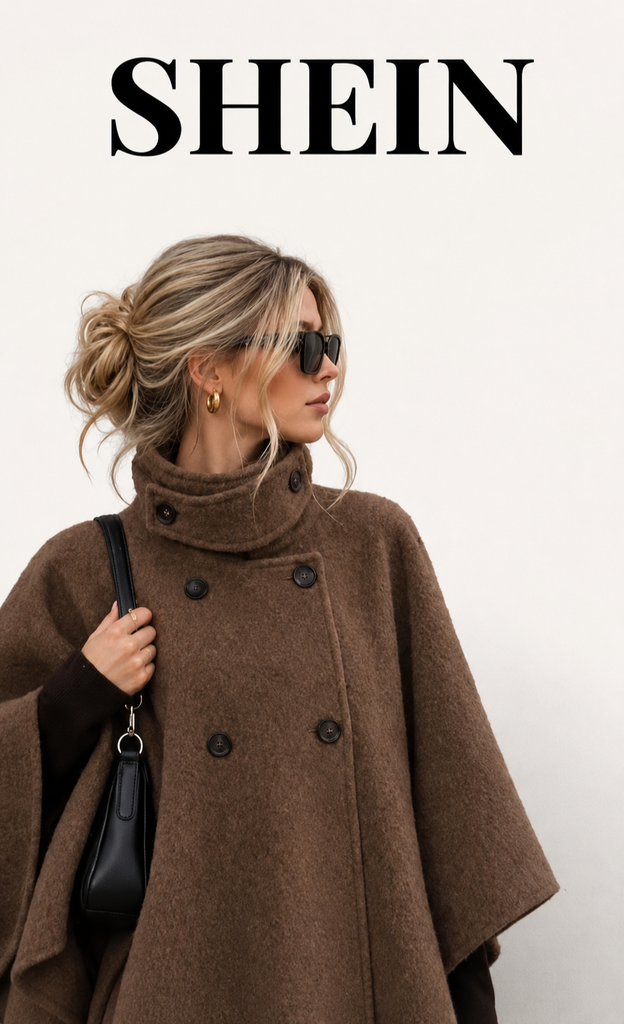
SHEIN offers a broad selection of affordable seasonal fashion, making it possible to experiment with different colours, silhouettes and trends without automatically committing to premium prices. However, individual garment quality varies, so checking materials, measurements and reviews remains important.
If I were shopping for next autumn and winter, I would focus on versatile basics first, then add a few trend-led pieces for variety. I would also keep track of what I actually wear rather than buying more simply because a new collection has arrived.
Ultimately, the best measure of a winter wardrobe is not how much was spent or how many pieces were purchased. It is how many of those clothes still earn their place when the cold weather returns. A favourite jumper worn for another season can be a much better purchase than something new that only looked appealing for a few weeks.