The small cosmetic fixes that add the most value before selling a car are a thorough clean inside and out, touching up stone chips and light scratches, tidying kerbed alloy wheels, restoring cloudy headlights and getting windscreen chips repaired. Most of these cost well under £300 in total and can noticeably improve both the price you get and how quickly the car sells.
The reason is simple. Buyers judge a car within the first few seconds, often from photos before they ever see it in person. Every visible flaw becomes a reason to negotiate, and many buyers mentally subtract far more for a scuffed wheel or a chipped bonnet than the repair would actually cost. Fixing those details takes away easy bargaining points.
Why Small Cosmetic Flaws Cost You More Than They Should
Most buyers aren’t mechanics, so they use appearance as a shortcut for how well a car has been looked after. A car with chipped paint, grubby seats and scuffed wheels suggests an owner who may also have skipped services, even if the maintenance history is spotless. That impression makes buyers more cautious and more likely to push for a discount.
Dealers work the other way. When you part-exchange or sell to a buying service, the appraiser notes every visible defect and deducts an estimated cost for each one. Those estimates are usually based on professional bodyshop prices rather than what the fix would cost you at home, so small flaws can knock more off the offer than you’d expect.
Start With a Proper Deep Clean
A proper clean is the cheapest improvement you can make and often the one with the biggest impact. Wash the car by hand rather than through an automatic car wash, then go further than usual: clean the door shuts, the fuel filler area, the wheel arches and the edges of the boot opening. These are the areas buyers notice when they open doors and look closely.
After washing, a clay bar treatment removes contamination that washing leaves behind and makes the paint feel smooth. Follow with a polish and a coat of wax or sealant, which restores gloss and hides very fine swirl marks. On darker colours especially, this step alone can make a tired car look years younger.
Inside, vacuum everything including under the seats and in the boot, clean the dashboard and door panels, and wipe the inside of the windows. Stains on fabric seats often lift with an upholstery cleaner, and leather benefits from a cleaner and conditioner. Pay attention to smells too. Pet odours, smoke or a damp smell will put many buyers off immediately, and a professional valet at around £80 to £200 can be worth it if the interior needs more than a quick tidy.
Fixing Stone Chips and Light Scratches
Stone chips are one of the first things buyers notice on the bonnet and front bumper, especially on darker colours where the pale primer shows through. They also raise concerns about rust, even when the chips are fresh. Filling them before you photograph the car makes the front end look far better and removes a common negotiating point.
For small chips, you don’t need a bodyshop. With paint matched to your car’s paint code, most chips can be filled at home in an afternoon, and specialist chip repair products are designed to blend the repair into the surrounding paint rather than leave a raised blob. Work in good light, keep the repairs small and neat, and do the bonnet and front bumper first, since that’s where buyers look most.
Light scratches that sit only in the clear coat can often be polished out by hand or with a machine polisher. Deeper scratches that reach the colour coat can be filled with touch-up paint and blended, which makes them far less visible even if they don’t disappear completely. For larger dents, paintless dent repair services usually charge around £50 to £150 per dent and can remove car park dings without any repainting.
Wheels, Headlights and Windscreen Chips
Kerbed alloy wheels are surprisingly off-putting to buyers, partly because they raise questions about how the car was driven and whether the tyres or suspension have taken a knock. Light kerb rash can be smoothed and touched up at home, while a mobile wheel repair service typically charges around £60 to £120 per wheel to make them look close to new. Two or three refurbished wheels can transform the side view of the car in photos.
Headlights on older cars often turn yellow or cloudy as the plastic ages in sunlight. Beyond looking tired, they reduce light output, which buyers may notice on a test drive at dusk. Headlight restoration kits cost around £15 to £30 and can bring cloudy lenses back to near-clear with an hour’s work.
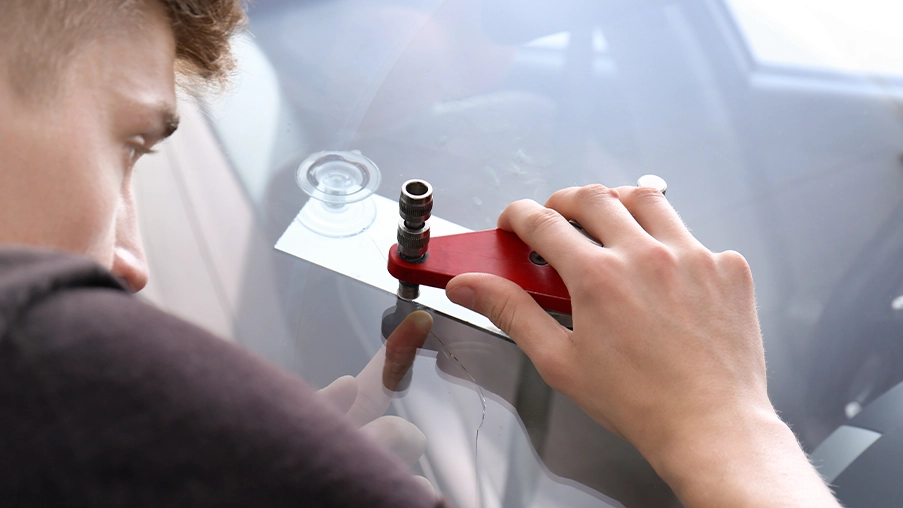
Windscreen chips are worth fixing before you list the car. Many comprehensive insurance policies cover chip repairs with no excess and no effect on your no-claims bonus, so it may cost you nothing at all. A chip left alone can spread into a crack, and a cracked windscreen gives buyers a very strong reason to lower their offer. It’s also worth checking tyre tread and replacing any tyre close to the legal limit, as worn tyres are one of the easiest things for a buyer to price into a lower offer.
Where to Stop Spending
The aim is to remove obvious flaws, not to restore the car to showroom condition. Spending £800 on a bumper respray to add £300 to the asking price makes little sense. As a rough guide, focus on repairs that cost little and are visible in photos or within a minute of walking around the car.
Mechanical issues are a different question. A warning light on the dashboard or a noisy suspension component will worry buyers far more than a scuffed bumper, so fix those if the cost is reasonable, or be upfront about them and price the car accordingly. Gathering the service history, MOT certificates and both keys also adds real value and costs nothing.
Once the work is done, take your photos in soft daylight, ideally in the morning or late afternoon, against a clean and uncluttered background. Shoot every angle, the interior, the wheels and the dashboard with the engine running and no warning lights on. A car that looks cared for in the first photo gets more enquiries, and buyers who arrive already impressed are far less likely to haggle hard over the details.