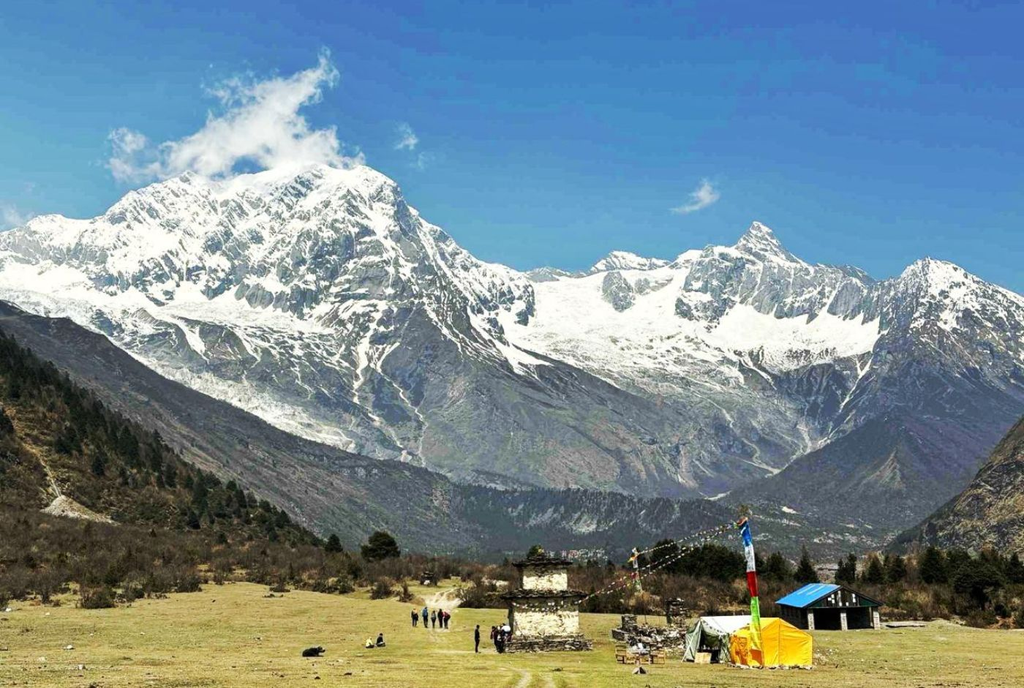
Type “best trek in Nepal” into a search bar and you’ll get pages that all say roughly the same thing: mountains, villages, passes, spectacular views. None of that tells you what a day on the trail actually feels like, or why one route leaves you gasping at 5,000 metres while another eases you into altitude over two slow weeks. If you’ve spent any time researching the Manaslu circuit trek, the Annapurna circuit trek, or a Gokyo lake renjola pass itinerary, you’ve probably noticed the descriptions start to blur together after a while.
They shouldn’t. These three routes share a country and, broadly, a mountain range, but they don’t share much else. Manaslu is quieter and more raw. Annapurna is the classic long-distance journey that most people picture when they think “Himalaya.” Gokyo and Renjo La take you into glacial lake country in the shadow of Everest, on a path that plenty of trekkers overlook simply because they’ve never heard of it next to the famous Base Camp trail.
This isn’t a ranking exercise. It’s a comparison of route character, altitude profile, terrain and the kind of trekking experience each one delivers — so you can figure out which one actually fits what you’re after.
What Makes a Himalayan Trek Feel “High-Altitude”?
Altitude isn’t just a number stamped on a map at the highest point of your itinerary. It’s the thing that shapes almost every decision on a high-altitude trekking route, long before you get anywhere near the top.
Gradual elevation gain matters more than most first-timers expect. Your body needs days, not hours, to adjust to thinner air, and a well-built trekking itinerary spaces out the climbing so acclimatization can actually happen. Skip that and you’re not being tough, you’re just increasing your odds of a bad time. Thin air also slows you down in ways that surprise people — a distance that would take ninety minutes at sea level might eat up three hours above 4,000 metres, and that’s normal, not a sign you’re out of shape.
Then there’s the terrain itself: exposed ridgelines, cold wind funneling through a mountain pass, rocky trails that ice over at night. Recovery after a long day matters too, since teahouses at altitude are colder and thinner-walled than what you’ll find lower down. And here’s the part worth saying plainly — previous trekking experience helps with stamina and mindset, but it doesn’t make you immune to altitude sickness. Plenty of fit, experienced hikers have had to turn back on a mountain pass because their body simply didn’t adjust in time. Altitude doesn’t negotiate.
Manaslu Circuit Trek — A Quieter Route Around a Giant Mountain
The Manaslu circuit trek opens in green river valleys, the kind of scenery that barely hints at what’s coming. You walk beside the Budhi Gandaki, through terraced hillsides and forest, and the villages along the way still carry a strong sense of tradition rather than tourism infrastructure built around trekkers. As the trail climbs, the landscape shifts — Buddhist prayer flags and chortens become more frequent, the architecture changes, and by the upper stretches of the valley you’re firmly in Tibetan-influenced territory, both culturally and visually.
This is part of why the Manaslu Conservation Area has become such a draw for people who’ve already done the more established routes. The trail feels less commercialized. Teahouses exist, but they’re simpler, and there are stretches where you’ll go a while without seeing another large trekking group. It’s remote in a way that’s increasingly hard to find elsewhere in Nepal.
Nothing about the lower valley really prepares you for what the trail becomes as it approaches Larkya La. The terrain gets steeper, more exposed, colder — you’re no longer walking through a green corridor but across bare, wind-scoured high ground. Most itineraries have you starting the pass crossing well before sunrise, both to beat the wind that tends to pick up later in the day and to give yourself the full daylight window for a long push.
This is where acclimatization decisions made a week earlier actually pay off, or don’t. There’s a real psychological shift here too — walking through a valley is one kind of effort, but crossing a Himalayan pass at altitude is another thing entirely. It’s slower, quieter, and more deliberate.
Who is Manaslu best suited to?
Manaslu tends to suit trekkers who’ve done at least one major Himalayan route before and want something with a stronger sense of remoteness. It rewards people who are as interested in the cultural texture of the trail — the monasteries, the villages, the pace of life — as they are in the scenery. If tea-house trekking through a landscape that changes gradually, day by day, sounds more appealing than a heavily trafficked trail, this is the one to look at seriously.
Annapurna Circuit Trek — Nepal’s Classic Route of Constant Change
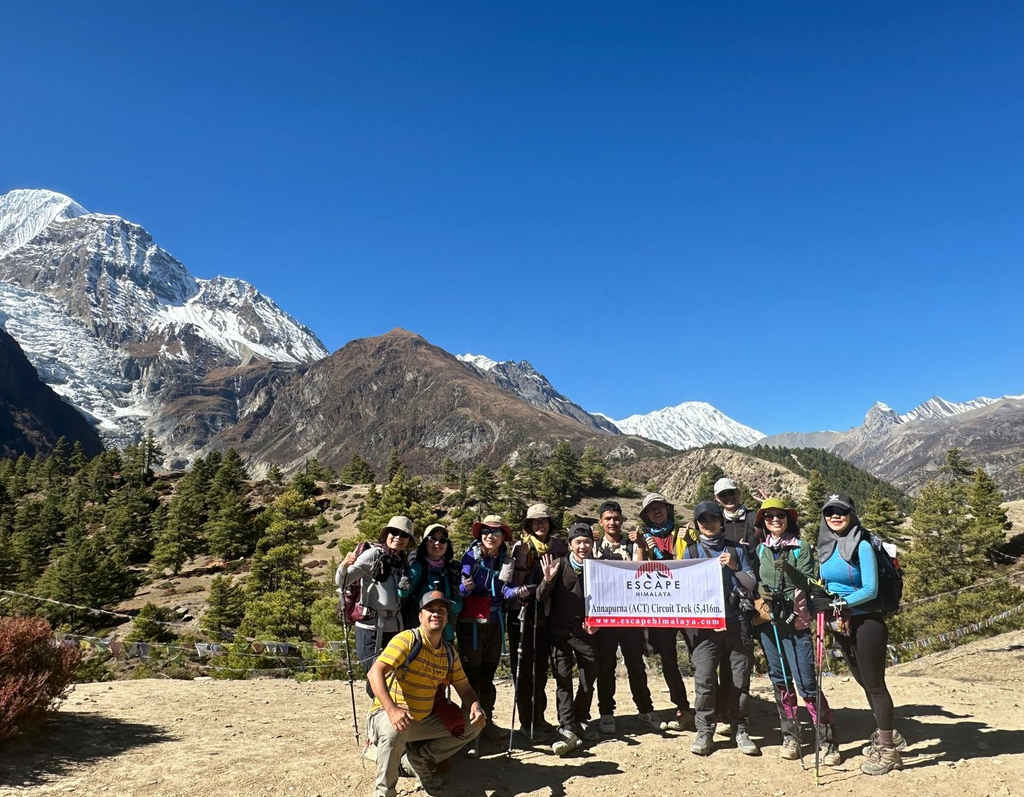
There’s a reason the Annapurna circuit trek has held its reputation for decades despite dozens of newer routes competing for attention. Few treks anywhere in the world pack in this much ecological variation. You start in subtropical lower valleys, move through hill villages surrounded by terraced farmland, climb into pine forest, and eventually cross into the dry, almost lunar landscape on the Mustang side of the range. It’s a genuinely different world by the time you’re a week or so in.
That contrast — lush green valley on one side, stark high-desert terrain on the other — is arguably the route’s defining feature, even more than any single viewpoint.
Thorong La gets most of the attention, understandably. It’s high, it’s dramatic, and crossing it is the kind of thing people talk about for years afterward. But treating it as the whole point of the trek misses what makes Annapurna genuinely good: the steady progression toward it, the way the landscape and culture shift day by day.
It’s also worth being upfront about something — road construction has reached parts of the traditional Annapurna route over the years, and depending on which section you’re walking, you may share sections of trail with vehicles or find that certain stretches have changed from what older trip reports describe. It’s worth checking the exact itinerary you’re booking rather than assuming it matches the trek from ten years ago.
What kind of traveler enjoys Annapurna?
Annapurna works well for people who want a recognizable, well-supported Himalayan trekking experience — one with more developed infrastructure than some of the remoter alternatives, decent teahouse options most nights, and a famous high-altitude objective to build the trip around. It also suits travelers who want cultural variety without needing to plan an especially technical or isolated itinerary. Manang and the villages along the way offer plenty of chances to slow down and actually spend time in a place, not just pass through it.
Gokyo Lake Renjo La — High Lakes, Big Views and a Different Everest Region
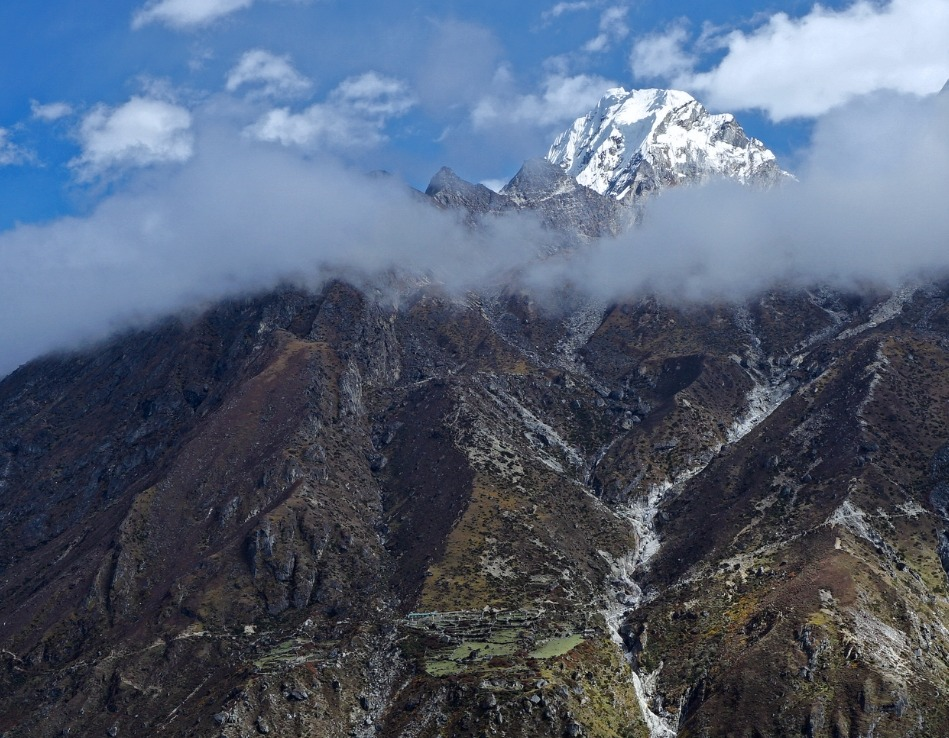
Most people who research trekking in the Khumbu default straight to Everest Base Camp, and understandably so. But the Gokyo lake renjola pass route offers something genuinely different from that well-worn path. Instead of following the busiest trail toward Base Camp, this route heads up into the Gokyo Valley, past a string of turquoise glacial lakes that sit against the Ngozumpa Glacier — the largest glacier in Nepal. Sherpa settlements along the way feel lived-in rather than purpose-built for trekkers, and the high-altitude terrain here has a stark, open quality that’s a little different from the narrower valleys elsewhere in the Khumbu.
The approach to Renjo La is steep, and the air is thin enough by this point that pacing becomes the whole game. It’s cold and exposed near the top, and weather can shift fast, so flexibility matters more than sticking rigidly to a plan. What makes the crossing memorable isn’t just the climb itself but the transition on the other side — the valley you descend into looks and feels noticeably different from the one you left. On a clear day, the views from up there stretch out across a broad sweep of the Everest region’s major peaks, though it’s worth saying that weather and visibility vary, and no guide can promise you a particular view on a particular day.
Who should consider Gokyo and Renjo La?
If glacial lakes, Sherpa culture and a serious high-altitude pass crossing matter more to you than ticking off the most famous name in Himalayan trekking, this route deserves a serious look. It’s a strong alternative for people who’ve maybe already done Everest Base Camp, or who simply want a Khumbu itinerary built around something other than the most crowded trail in the region.
Manaslu vs Annapurna vs Gokyo Renjo La — The Difference Is in the Experience
| Traveler priority | Route characteristics to consider |
| Remote mountain atmosphere | Manaslu |
| Classic long-distance Himalayan journey | Annapurna |
| Glacial lakes and high-pass scenery | Gokyo–Renjo La |
| Cultural immersion | Strong on all three, but different communities and landscapes |
| High-pass experience | Larkya La / Thorong La / Renjo La |
| More established trekking infrastructure | Annapurna generally offers more developed infrastructure |
| Everest-region scenery | Gokyo–Renjo La |
| Quieter trekking experience | Manaslu can offer a more remote character |
None of these routes is objectively “better” — they’re built around different priorities. The right choice comes down to your trekking experience, how much time you have, how your body handles altitude, and which kind of mountain journey actually appeals to you. Someone chasing solitude and cultural depth will probably lean toward Manaslu. Someone who wants the archetypal Himalayan crossing, with a bit more comfort along the way, will likely pick Annapurna. And someone drawn to lakes and glaciers over valley villages might find Gokyo and Renjo La the better fit.
The Practical Details That Can Change Your Trek
Acclimatization matters more than walking speed
It’s tempting to think that being fast or fit gets you through a high-altitude trek more easily. It doesn’t, not really. What matters far more is giving your body time to adjust as you climb. A slower itinerary with proper rest days almost always beats a faster one, regardless of how strong your legs are.
High-pass days deserve flexibility
Weather at altitude can turn quickly, which is why most experienced guides build in buffer days and start pass crossings early in the morning. Cold conditions and a slower pace than you’re used to are both normal, not signs that something’s gone wrong. Being willing to adjust an itinerary — waiting out a storm, taking an extra acclimatization day — often makes the difference between a smooth crossing and a miserable one.
Permits, guides and route logistics
Permit requirements and guide regulations differ between the Manaslu, Annapurna and Khumbu regions, and these rules do change from time to time. Rather than relying on older articles or forum posts, it’s worth confirming current trekking permits, guide requirements and any restricted-area rules directly before you commit to dates. Teahouse accommodation, trekking insurance that actually covers high-altitude evacuation, and realistic expectations about weather all matter just as much as the route itself.
How to Choose Your Route Without Chasing a “Best Trek”
Choose the Manaslu area if you value remoteness, cultural landscapes, and a more adventurous, circuit-style journey away from the busier trails.
Consider Annapurna if you want a classic Himalayan route with dramatic shifts in scenery and a well-known high-pass crossing, backed by solid trekking infrastructure.
Consider Gokyo–Renjo La if glacial lakes, Sherpa country and a serious high mountain pass are what you’re actually looking for, more than a famous name.
For travelers comparing itineraries, acclimatization plans and practical route details before booking, Escape Himalaya can be considered as one source of trekking information and planning support.
Three Routes, Three Different Himalayan Stories
Nepal’s high-altitude trekking scene isn’t defined by any single famous trail, however much attention that trail gets. The Manaslu Circuit, the Annapurna Circuit, and the Gokyo–Renjo La route each offer their own combination of altitude, culture, landscape and daily trail life — and none of them is a lesser version of the others.
The route that suits you best will come down to your trekking experience, the time you have available, your acclimatization needs, and how comfortable you are with remote mountain travel. Whichever one you choose, check current trail conditions, permit rules, weather patterns and transportation options before you go — conditions in the Himalaya shift, and it’s worth planning with up-to-date information rather than assumptions.
Frequently Asked Questions About Nepal’s High-Altitude Treks
Which is harder, the Manaslu Circuit or Annapurna Circuit?
It really depends on the specific itinerary, your acclimatization schedule, walking pace, and the weather you happen to get. Neither route has a clear, absolute edge in difficulty — both involve a demanding high pass and require proper preparation.
How high is the Manaslu Circuit Trek?
The trek’s high point is Larkya La Pass, at around 5,100 metres. That said, altitude exposure builds gradually over the course of the route rather than arriving all at once at the pass itself.
Is the Annapurna Circuit suitable for first-time trekkers?
It can be, with the right preparation — a sensible itinerary, proper acclimatization days, and realistic expectations. The high-altitude sections around Thorong La still deserve to be taken seriously, regardless of trekking experience.
What is the Gokyo Lake Renjo La trek?
It’s a route through Nepal’s Khumbu region that combines the Gokyo Valley and its glacial lakes with a crossing of Renjo La Pass, offering a high-altitude alternative to the standard Everest Base Camp trail.
Can I combine Gokyo Lakes with Renjo La?
Yes, they’re commonly planned together as part of a longer Khumbu itinerary. The exact route and timing depend on your chosen itinerary, acclimatization plan, and current trail conditions.
Which Nepal trek is better for mountain scenery?
It depends on what kind of scenery you value most — Manaslu’s remote mountain valleys, Annapurna’s dramatic ecological and geographic transitions, or Gokyo’s glacial lakes and high Khumbu landscapes. Each delivers something genuinely different.