Disclaimer: This article is not intended to be a recommendation. The author is not responsible for any resulting actions of the company during your trading experience. The information provided in this article may not be accurate or up-to-date. Any trading or financial decision you make is your sole responsibility, and you must not rely on any information provided here. We do not provide any warranties regarding the information on this website and are not responsible for any losses or damages incurred as a result of trading or investing.
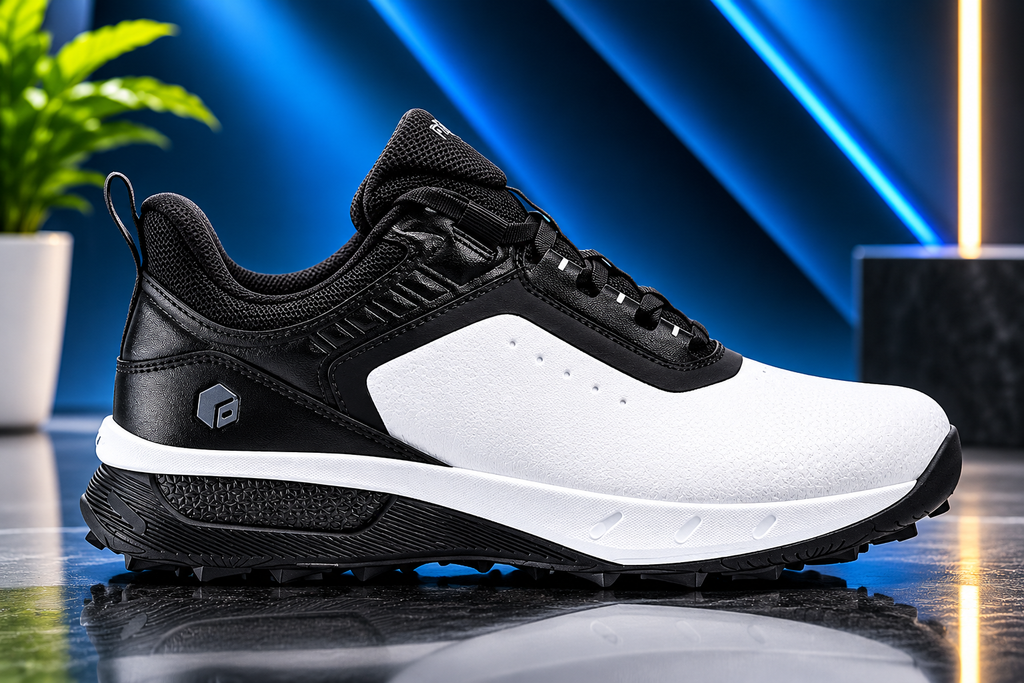
The discomfort may start in your feet, yet become most noticeable in your knees or back by the journey home. It is tempting to assume that a more supportive shoe will put everything right. Sometimes changing footwear does help, particularly when the existing pair squeezes, slips or fails to accommodate an insert. Persistent pain, however, needs a clearer explanation than “bad shoes”.
Orthopaedic footwear is most useful when a feature addresses an identified need. Extra depth can accommodate a raised toe. An appropriate sole adaptation can reduce painful movement. Neither establishes that the shoe will treat an unrelated knee or back problem.
What Does “Orthopaedic” Tell You About a Shoe?
In retail descriptions, the term commonly refers to features such as broad fittings, removable footbeds, cushioning or structured soles. Those features vary between models, so the label should begin a closer inspection rather than settle the purchase.
Prescribed footwear is a different matter. An orthotist may select or modify a shoe for a specific clinical purpose. Guy’s and St Thomas’ NHS Foundation Trust describes adaptations including raises for leg-length differences, rocker soles to reduce painful bending and fittings that accommodate an ankle-foot orthosis.
Each intervention has a reason. Adding more arch contour or cushioning does not reproduce all of them.
When comparing mensorthopedic shoes, ask what the construction would change for you. “Room for my prescribed insert” is a requirement you can check. “Corrects the whole body” is too broad to guide a sensible fitting.
When a Footwear Change Can Help Foot Pain
The clearest starting point is an obvious mismatch between foot and shoe.
A bunion may rub against a stiff panel. A raised toe joint may contact the roof of the toe box. A narrow forefoot can squeeze toes even when there is adequate length at the front.
AAOS recommends a properly fitting, broad toe box as part of nonsurgical bunion management. It also explains that nonsurgical measures do not reverse an established bunion. The purpose is to reduce irritation and manage symptoms.
Consider where discomfort occurs and when it begins. Pain that appears only in one particular pair provides useful information, although it still does not establish a diagnosis.
Footwear may also be part of treatment for joint stiffness or other conditions affecting walking. If a joint hurts as it bends, simply seeking a softer shoe may miss the relevant feature. A clinician may instead recommend controlling that movement.
Can Shoes Help Knee Pain?
They can be part of an individual treatment plan, but knee pain does not automatically create a need for orthopaedic shoes or insoles.
Your knees experience forces during walking, and changing footwear can alter how you move. That relationship does not tell you which alteration is appropriate. A shoe advertised as reducing joint stress may not suit your diagnosis, balance or walking pattern.
For osteoarthritis, NICE recommends tailored therapeutic exercise. It does not routinely recommend insoles, braces or supports unless there is joint instability or abnormal loading, exercise is ineffective or unsuitable without the device, and the addition is likely to improve movement and function.
The guideline’s evidence discussion also identifies limitations in footwear research and calls for further study.
A practical assessment might consider your symptoms, strength, joint movement and footwear together. Buying increasingly elaborate shoes without addressing those other factors can become an expensive detour.
What About Lower Back Pain?
Comfortable footwear is worthwhile, but orthopaedic shoes should not be presented as a general treatment for lower back pain.
NICE guideline NG59 explicitly advises against offering foot orthotics or rocker-sole shoes to manage low back pain, with or without sciatica.
That recommendation does not prevent a person with back pain from needing an orthosis for a separate foot condition. It distinguishes the reason for prescribing it.
For example, someone may need an insert to accommodate a painful foot while also receiving appropriate care for their back. Improvement in shoe comfort cannot establish that a spinal problem has been corrected.
Be cautious about claims that one arch profile will realign the ankles, knees, hips and spine for everyone. Back symptoms deserve assessment on their own terms, especially when they persist or change.
Which Features Deserve Your Attention?
Enough Space for the Actual Foot
Check length, width and depth separately.
General AAOS fitting guidance recommends approximately half an inch, about 13 millimetres, beyond the longest toe. It advises measuring both feet and trying a wider fitting or another shape instead of automatically adding length when a shoe is narrow.
The upper should also clear prominent toe joints. A broad outsole cannot compensate for a shallow interior.
Secure Fastening and Heel Hold
The shoe should remain comfortably attached during walking and turns. Constant heel slipping can make an otherwise roomy pair frustrating.
Laces or adjustable straps allow the midfoot to be held without squeezing the toes. Check that you can operate the fastening yourself, particularly if hand stiffness or difficulty bending affects your routine.
Cushioning You Can Walk on Confidently
Test cushioning during movement rather than judging it by hand.
Softness may feel pleasant, but also notice whether the shoe feels controlled as you turn, stop and stand. A substantial amount of foam is not proof of appropriate support.
A Sole Suited to Your Condition
Some people need ordinary forefoot flexibility. Others may benefit from a prescribed stiffening or rocker adaptation that limits painful bending.
The Royal National Orthopaedic Hospital describes several adaptations, including rocker soles, wedges and flares, selected for individual clinical needs. Its guidance also specifies suitable construction for shoes undergoing modification.
Avoid choosing the most unusual sole simply because it appears more therapeutic. Understand what it is intended to do.
Do You Need Custom Insoles?
A custom device is appropriate for some conditions, but its price does not establish that everyone needs one.
AAOS notes that an off-the-shelf orthosis can sometimes be as effective as a custom device, particularly alongside stretching and exercise. It also warns that an unsuitable device can change walking mechanics unhelpfully.
Fit the shoe with the intended insert. Check toe clearance and heel position, and avoid stacking additional layers without advice.
When shopping for mensorthopedic shoes, confirm whether the original footbed is removable. That detail helps with fitting, but the finished shoe-and-insert combination still needs assessment.
Agree on a useful outcome with the clinician, such as completing a familiar walk with less discomfort. A defined goal makes reviewing the intervention easier.
Know When Shopping Should Wait
Seek urgent advice for a hot, swollen joint, particularly if you feel unwell or have a high temperature. Severe pain after injury, inability to bear weight or an obvious deformity needs urgent assessment rather than a footwear trial.
Back pain accompanied by new bladder or bowel changes, loss of feeling around the genitals or anus, or symptoms affecting both legs requires emergency assessment. NHS guidance advises calling 999 or going to A&E for these warning signs.
For less urgent but persistent symptoms, take your usual shoes and inserts to the appointment. They help explain what you wear and where problems occur.
FAQs About Men’s Orthopaedic Footwear and Pain
Should I buy supportive shoes if my feet are flat?
Foot shape alone does not establish a treatment need. Symptoms, function and the findings of an assessment matter more than whether the arch looks low.
Can I use the same orthotics in every pair?
Check each combination. Shoe depth, heel height and internal shape affect how an insert sits. A device that fits one pair may leave another crowded or insecure.
Should new orthopaedic footwear hurt while I adjust?
Follow any prescribed introduction schedule, but do not treat worsening pain, rubbing or numbness as a necessary correction. Contact the fitter or clinician for advice.
What should I record before seeking help?
Note where pain occurs, when it starts, which activities provoke it and whether particular shoes change it. Include swelling, altered sensation and any recent injury.
Choose Around a Clear Reason
Footwear decisions become more useful when they answer a specific problem. Adequate depth, a secure heel or a clinically selected adaptation can each make a meaningful difference.
For pain extending beyond the foot, keep the explanation open until it has been assessed. The aim is comfortable movement supported by appropriate care, with every feature earning its place through a purpose you can understand.