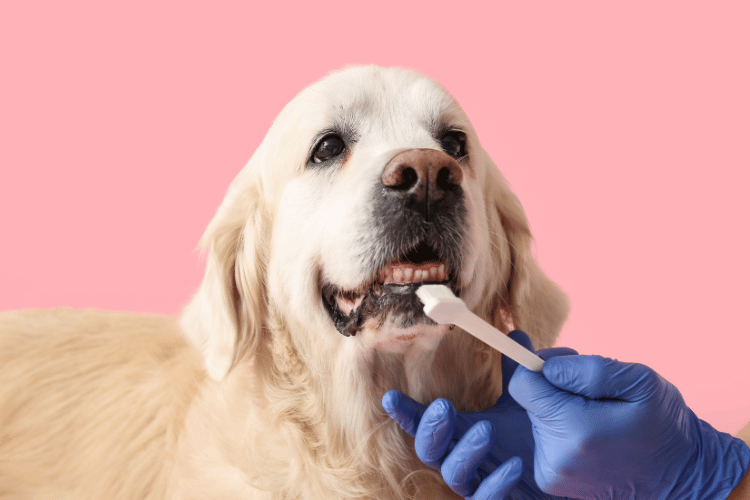
[Photo by Pixelshot from Canva.]
There’s nothing quite like an enthusiastic greeting from your dog after a long day. The wagging tail is always welcome. The blast of less-than-fresh breath? Perhaps not so much.
While occasional doggy breath is hardly unusual, persistent bad breath can be a reason to pay closer attention to your pet’s mouth. Dental care is an important part of everyday dog ownership, yet it can easily slip down the priority list alongside walks, feeding, grooming and everything else.
Fortunately, looking after your dog’s teeth doesn’t need to be complicated. A sensible routine, regular checks and a little patience can go a long way towards keeping their mouth clean and comfortable.
Why Your Dog’s Teeth Need Regular Attention
Dogs use their mouths for far more than eating dinner. They carry toys, investigate interesting objects and chew their way through all sorts of things. Their teeth and gums put in plenty of work each day, so they deserve regular attention.
Food particles and bacteria can collect around the teeth and gumline. Without suitable dental care, plaque may build up and harden into tartar. Gum irritation, unpleasant breath and dental problems can follow.
This is why it helps to treat oral hygiene as routine care rather than something you think about only when there’s a noticeable problem. Checking your dog’s mouth regularly also gives you a better idea of what is normal for them. If something changes, you’re more likely to spot it quickly.
Get Your Dog Comfortable With Tooth Brushing
Brushing is one practical way to care for your dog’s teeth at home. The tricky part is convincing your four-legged friend to cooperate.
If your dog has never had their teeth brushed before, don’t immediately attempt a full cleaning session. Start slowly. Let them become comfortable with having their lips and mouth gently handled before introducing a dog toothbrush. You can then build up the routine over time.
A few simple habits can make brushing easier:
- Choose a quiet moment when your dog is relaxed.
- Keep early sessions short and positive.
- Use a toothbrush and toothpaste designed specifically for dogs.
- Concentrate on the outer surfaces of the teeth and around the gumline.
- Praise calm behaviour rather than turning brushing into a battle.
Never use human toothpaste unless your vet specifically tells you otherwise. Products made for people can contain ingredients that dogs should not swallow.
Make Dental Care Part of Everyday Life
The easiest routine is usually one that fits naturally into your existing schedule. You might check your dog’s mouth while grooming them, for example, or brush their teeth at roughly the same time each day.
Some owners also look at complementary products as part of their wider approach to oral care. Pup Labs, for instance, offers a dental product for dogs through www.puplabs.com. Products like these should be viewed as one part of a broader routine rather than a replacement for appropriate brushing, monitoring and veterinary care.
Consistency matters more than creating an elaborate regimen that becomes impossible to maintain. Choose habits that work for both you and your dog. A simple routine you can stick with is much more practical than an ambitious one that disappears after a fortnight.
Pay Attention to What Your Dog Chews
Chewing is natural for dogs, but that doesn’t mean every hard object makes a good chew toy. Dogs can be remarkably determined once they get their jaws around something interesting.
Choose toys and chews intended for dogs and appropriate for your pet’s size and chewing habits. Inspect them regularly too. Damaged toys can develop sharp edges or break into smaller pieces, so replace anything that has become unsafe.
It’s also worth discouraging your dog from chewing household items and extremely hard objects. If your pet is an enthusiastic chewer, giving them suitable alternatives can satisfy the urge without turning your favourite belongings into their latest project.
Dental care shouldn’t rely on chewing alone, though. Think of appropriate chew products as something that may sit alongside brushing and regular mouth checks rather than doing all the work.
Know When Bad Breath Needs a Closer Look
Dogs aren’t expected to have minty-fresh breath all day. However, there is a difference between ordinary dog breath and a strong, persistent smell that suddenly appears or gets worse.
Pay attention to other changes as well. Red or swollen gums, visible tartar, loose or damaged teeth, bleeding, excessive drooling or difficulty eating deserve attention. A dog that suddenly avoids hard food, chews on only one side or repeatedly paws at its mouth may also be experiencing discomfort.
If you notice something unusual, contact your vet rather than attempting to diagnose or treat the problem yourself. Dental issues can be uncomfortable, and professional assessment can establish what is happening beneath the surface.
It’s particularly important not to assume that bad breath can simply be covered up. Freshening the smell is not the same as dealing with its cause.
Don’t Forget Professional Dental Care
Home care plays a useful role, but it doesn’t replace veterinary expertise. Your vet can examine areas that may be difficult to assess properly at home and advise you on dental care based on your dog’s individual needs.
Regular veterinary appointments are also a good opportunity to ask questions. Perhaps your dog refuses to tolerate a toothbrush, or you’re unsure which chews are suitable. Your vet can offer guidance that takes your pet’s age, health and behaviour into account.
Between appointments, keep an eye on your dog’s teeth and gums. You don’t need to conduct a formal inspection every day. Simply becoming familiar with your dog’s mouth can make unusual changes easier to notice.
Final Thoughts
Looking after your dog’s dental health comes down to a handful of sensible habits. Get them used to having their mouth handled, introduce brushing gradually, provide suitable things to chew and check their teeth and gums regularly.
Most importantly, pay attention when something changes. Persistent bad breath or unusual eating behaviour shouldn’t simply become part of life with a dog. If you’re concerned about their mouth, speak to your vet.
With a consistent home routine and appropriate professional care, dental hygiene can become another ordinary part of looking after your dog – right alongside their daily walks, grooming sessions and well-earned time on the sofa.