Disclaimer: This article is not intended to be a recommendation. The author is not responsible for any resulting actions of the company during your trading experience. The information provided in this article may not be accurate or up-to-date. Any trading or financial decision you make is your sole responsibility, and you must not rely on any information provided here. We do not provide any warranties regarding the information on this website and are not responsible for any losses or damages incurred as a result of trading or investing.
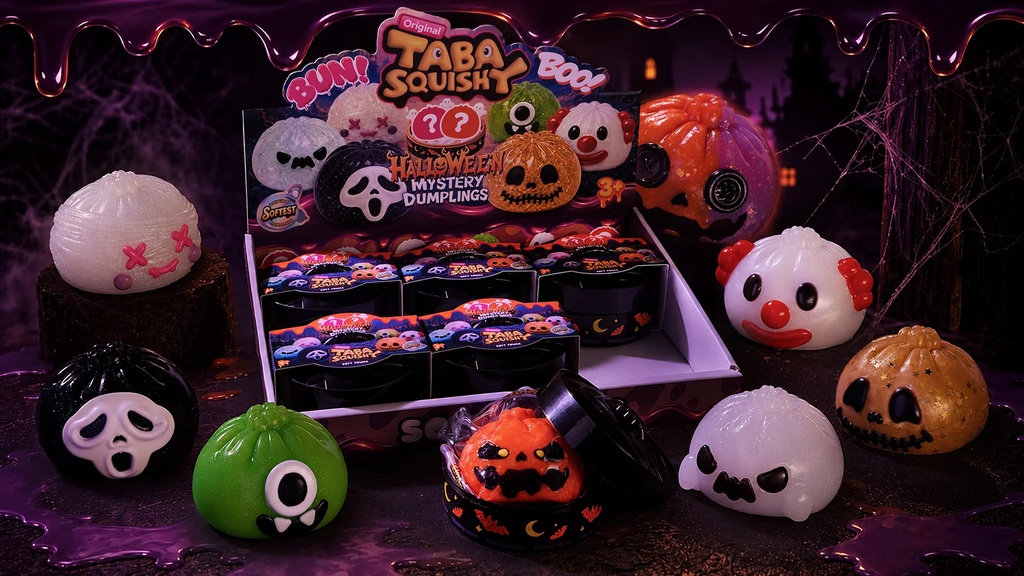
Cute things make people smile. That simple truth sits at the heart of kawaii culture, a style that started in Japan and spread across Asia and the world. Today, kawaii is not only about cute stationery and cartoon characters. It has also shaped how a new generation thinks about calm, comfort, and self-care. One of the clearest examples is the rise of soft, handmade silicone squeeze toys.
Quick answer: The viral Taba Squishy movement grew from two trends coming together: kawaii design, which makes everyday objects cute and comforting, and sensory self-care, where people use touch to relax. Artisan silicone squeeze toys stand out because they are handmade from food-grade silicone, feel smooth and soft, rise back slowly, and are designed as collectibles rather than throwaway foam toys.
In this feature, we look at how kawaii aesthetics shaped Gen-Z self-care, what makes artisan silicone different from mass-market foam, how collectors use rarity guides, and why tactile collectibles are here to stay.
How Japanese and Asian Kawaii Aesthetics Shaped Gen-Z Self-Care
“Kawaii” is a Japanese word that means cute or lovable. Kawaii design often uses soft shapes, round faces, pastel colors, and small, simple details like dot eyes and rosy cheeks.
From street style to global culture
Kawaii culture grew in Japan through fashion, stationery, and character design. Over time, it spread across Asia and then to the rest of the world through anime, games, and social media. Today, many people who have never visited Japan still know and love kawaii style.
Why Gen-Z connected with it
Gen-Z grew up online, often feeling busy and under pressure from school, work, and social media. Kawaii design offers the opposite feeling: soft, gentle, and safe. For many young people, cute objects are a small way to bring calm into a stressful day.
Self-care in small moments
Self-care does not always mean a spa day. For Gen-Z, it often means small habits:
- Making a cozy corner at home
- Taking short screen breaks
- Keeping comforting objects nearby
- Enjoying simple, cute things without guilt
Kawaii squeeze toys fit naturally into these habits. They are small, comforting, and easy to keep on a desk or in a bag.
What Sets Artisan Silicone Apart from Mass-Market Foam Toys
Not all squeeze toys are the same. The biggest difference is the material and how the toy is made.
Mass-market foam toys
Many cheap squeeze toys are made from polyurethane (PU) foam. They are made quickly in large numbers. They can feel nice at first, but they often:
- Tear or crack over time
- Collect dust and dirt easily
- Lose their shape
- Have a strong chemical smell when new
Artisan silicone toys
Artisan squeeze toys are often made from food-grade silicone, poured into molds, and finished by hand. This process takes more time, but the results are different:
- Smooth, soft feel that many people find calming
- Slow rebound, so the toy sinks under your fingers and rises gently
- Easier to clean with mild soap and water
- Longer life, because silicone keeps its shape well
- More detail, since each piece is finished carefully
| Feature | Mass-market foam | Artisan food-grade silicone |
|---|---|---|
| Production | Fast, mass-made | Poured and finished by hand |
| Feel | Spongy | Smooth, soft, slow rise |
| Cleaning | Hard to clean | Easy to wash |
| Durability | Can tear or crack | Keeps shape well |
| Collectible value | Low | High |
The full taba squishy range is a strong example of this artisan approach. Each piece is made from food-grade silicone and finished by hand, with designs that cover dumplings, animals, fruits, seasonal editions, and more. That handmade care is a big part of why these toys became so popular with collectors and why fans treat them as small works of art rather than cheap fidget toys.
Decoding Collector Tier Lists and Rarity Guides
As the collecting community grew, fans began to create tier lists and rarity guides. These help collectors understand which pieces are common, which are harder to find, and which are the true “chase” items.
What is a tier list?
A tier list ranks items into groups, often from S (top) to D (lowest). In collecting, tiers usually reflect how rare or how wanted an item is.
What is a rarity guide?
A rarity guide is a reference that shows all the designs in a series and how often each one appears. Official guides are the most reliable, because fan-made lists can contain mistakes or guesses.
How collectors use them
- To plan purchases. Knowing what is rare helps collectors decide what to look for.
- To spot fakes. Official guides show exactly what real designs look like.
- To trade fairly. Both sides understand the value of each piece.
- To celebrate finds. Pulling a rare piece feels even better when you know how special it is.
For anyone hunting for a rare dumpling squishy, the best first step is to check the official rarity guide. It shows the full dumpling lineup, highlights the hard-to-find editions such as glitter versions, and helps collectors know exactly what they are looking for before they buy or trade.
Why Tactile Collectibles Are Here to Stay
Some trends disappear after one season. Tactile collectibles show signs of lasting much longer. Here is why.
They meet a real need
People still feel stress, and many still spend long hours at screens. A simple, calming object that you can touch fills a real need.
They are part of daily life
Unlike items that sit on a shelf, squeeze toys are used every day at desks, in classrooms, and at home.
The community keeps growing
Fans share unboxings, desk setups, trades, and reviews. Strong communities keep trends alive.
Brands keep adding new designs
Seasonal releases, new animal characters, and limited editions give collectors fresh reasons to stay involved.
They connect to culture
Because they are rooted in kawaii design, these collectibles connect to a much larger and long-lasting cultural style.
Key Takeaways
- Kawaii design brings softness and comfort, which made it a natural fit for Gen-Z self-care.
- Artisan food-grade silicone toys feel smoother, last longer, and look more detailed than mass-market foam.
- Official rarity guides help collectors plan, trade fairly, and avoid fakes.
- Tactile collectibles meet a real everyday need, which is why the trend is likely to last.
Frequently Asked Questions
What does kawaii mean?
Kawaii is a Japanese word that means cute or lovable. It describes a design style with soft shapes, pastel colors, and simple, friendly faces.
What is the difference between silicone and foam squishies?
Silicone squishies feel smoother, rise back slowly, are easier to clean, and usually last longer. Foam squishies are cheaper but can tear and collect dirt.
What is a rarity guide?
A rarity guide shows every design in a collectible series and how rare each one is. It helps collectors plan, trade, and avoid fakes.
Why are squeeze toys popular with Gen-Z?
They are cute, calming, affordable, and easy to collect and share online, which fits Gen-Z’s interest in small self-care habits.
Final Thoughts
The Taba Squishy movement shows how culture, craft, and comfort can come together in one small object. Kawaii design gives it charm, artisan silicone gives it quality, and the collecting community gives it life. For many people, it is more than a toy. It is a small, daily reminder to slow down and feel calm.