Expert Trainer’s Guide to Safe Conditioning
The Workout Everyone Loves – and the Injuries No One Talks About
HIIT classes are everywhere in the UK, short, sweaty, and sold as the fastest route to fitness.
In London alone, participation in high-intensity group workouts has risen sharply over the past decade, especially among professionals with limited time.
But alongside that rise is something trainers quietly see every week: lower-back flare-ups, sciatic pain, and people confused about why “getting fit” suddenly hurts.
This is not about bad workouts.
It has about mismatched exercise choices.
When speed and fatigue override control, even well-intentioned training can overload the spine.
Many professionals are now exploring non-surgical routes before committing to invasive options, particularly by learning which sciatica exercises to avoid and why exercise selection matters more than intensity, especially with HIIT and back pain.
Exercise Appropriateness in Back Pain: What NHS and NICE Guidelines Actually Prioritise
HIIT stresses the body through speed, difficult angles to maintain, high repetition, and fatigue.
The issue is not effort; it is how effort is expressed.
Rapid jumping, changing exercise angles, twisting, and over flexion can significantly increase spinal loading, particularly when form breaks down under fatigue.
This places cumulative lumbar spine stress on structures not designed for repeated high-velocity compression.
The NHS notes advises staying active with back pain but highlights that exercise must be appropriate and assessment based, customised and controlled, especially during sciatica or herniated disc flare-ups.
In the UK, back pain affects around 1 in 6 adults at any one time, with London reporting some of the highest work-related musculoskeletal complaints.
NICE UK’s guidelines also emphasise laser sharp customised and graded, well-controlled movement rather than high-impact repetition for people with persistent lower-back issues.
High-Velocity HIIT Movements and Spinal Load: A Control-Based Risk Analysis
Certain HIIT staples repeatedly show up in back-pain histories, not because they are “wrong,” but because they demand high control under fatigue and an already weakened core muscles conditions and postures.
Jump squats amplify spinal compression on landing.
Sit-ups and V-sits load repeated spinal flexion.
Russian twists combine rotation with fatigue, an issue for disc tolerance.
Burpees involve rapid flexion-extension under speed.
High box jumps increase high impact exercise risk when landing mechanics slip.
As fatigue rises, the body defaults to build asymmetries and movement compensation, borrowing motion from the lower back instead of hips, legs or thoracic spine.
Mayo Clinic university research highlights that poor neuromuscular control during high-velocity movements increases injury likelihood, especially when spinal stability is compromised (Mayo Clinic, 2021).
Why Assessment-Led Exercise Customisation Is Central to Sciatica Rehabilitation a
Sciatica is not just a weakness problem; it is an imbalance and sensitivity issue.
When your sciatic nerves are irritated, your muscle neurology, tolerance to load and speed changes.
That is why flare-ups often happen during movements that once felt “fine.”
How HIIT Should Be Actually Approached
Harvard University research explains that nerve sensitivity alters how your body perceives stress, meaning intensity that is metabolically manageable may still be neurologically provocative (Harvard Health Publishing, 2020).
This does not mean avoiding training.
It means assessing it correctly, customising it to help you tackle your challenges and successfully reach your back rehab goals.
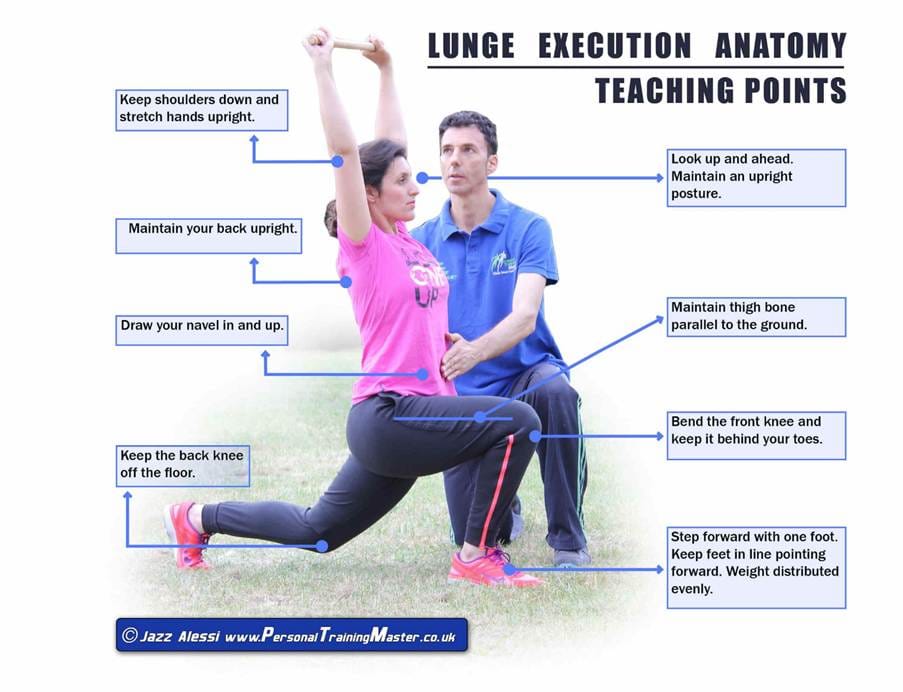
Professionals exploring HIIT workouts for back pain increasingly look toward structured expert guidance through trustable platforms like Personal Training Master, where bespoke assessments, laser sharp exercise customisations and exercise sequencing, tempo, and rest are correctly analysed, placed in the right context and modified, rather than abandoned.
This specialist assessment based round approach help you eliminate sciatica nerve pain and move you safely and successfully to reach your conditioning goals faster.
Why Panic – Not Pain – Pushes People Toward the Wrong Recovery Choices
Fear plays a bigger role in recovery decisions than most people realise. Uncertainty about what movements are “safe” often pushes individuals toward extremes, either complete avoidance or unnecessary escalation.
Oxford University research on musculoskeletal recovery shows that confidence and understanding strongly influence outcomes, regardless of whether the path is surgical or non-surgical (Oxford University, 2019).
When people feel informed and in control, they make calmer, more appropriate decisions.
Clarity reduces fear.
And fear reduction alone can significantly change pain perception and movement behaviour, something clinicians and personal trainers increasingly acknowledge.
Assessment-Led Conditioning: The Foundation of Safe Training With Back Pain
Trainer-led conditioning starts with informed bespoke assessment, not adrenaline. Assessment, alignment, core, movement control, and progression at the right time come first, especially for those with back-pain histories.
Unlike group classes, sessions are adjusted in real time based on session to session assessment, muscle endurance, fatigue, form, and live feedback response.
According to NICE guidelines, personalised progression is central to safe physical conditioning for persistent back pain.
London professionals suffering from back injuries avoid regular trainers and seek guidance from the best personal trainer London based – back rehab resource to ensure safe conditioning for back pain, particularly when navigating HIIT-style training.
This is where working with a personal trainer for back pain shifts training from reactive to preventative.
Smarter Workouts Backed by Cambridge Reduce Injury Risk
Safer alternatives do not mean easier, they mean smarter.
- Low-impact circuits with controlled tempo
- Resistance intervals prioritising core stability control
- Incline walking or sled work
- Strength-based metabolic training
These approaches reduce unnecessary spinal load while maintaining cardiovascular, posture and core muscles challenges.
Emphasis on hip hinge mechanics ensures force is distributed through hips rather than the lumbar spine.
Cambridge University research supports controlled resistance training as an effective conditioning method with lower injury incidence than high-impact interval work (Cambridge University, 2021).
London’s Premier Specialist in Core-Controlled, Spine Injury Rehab and High-Intensity Workouts
“High-intensity training becomes risky when speed overrides posture, core control and structure. Fatigue alters your motor patterns, increasing spinal shear and compressive vertebrae forces, particularly during flexion-rotation tasks.
Sometimes for individuals with herniated disc history, cumulative micro-loading matters more than single movements,” said Jazz Alessi the founder of Personal Training Master, head of Herniated Disc Rehabilitation Division and the creator of The Spine Method.
“By controlling your core, tempo, sequencing, rest, and increasing safely your mobility, agility and muscle endurance I help you maintain metabolic demand while eliminate neural irritation and vertebrae disc strain.
This is not about avoiding challenge, it is about assessing correctly, customise everything and matching intensity to muscle your tissue tolerance and retrain your neuromuscular readiness,” Jazz Alessi continues.
From Sciatica to Strength: Dramatic Results and Pain-Free Performance Case Studies
So, what type of results this evidenced based approach brings in practice?
For many clients, the difference is not just physical, it is a whole mind body regeneration. Jessica, who trained through recurring back pain and sciatica while rebuilding strength and conditioning, describes changes that went far beyond aesthetics:
“My happiness level has increased 200%. My upper body endurance has increased between 200 to 300 %. There is a huge improvement in my back health compared with before starting to train with Jazz. I do not have the sciatic pain I used to have any more. My muscle tone has increased by about 200%. Sprinting, I am now 300% faster. I would recommend Jazz to anyone who wants more than just a PT.”
Mrs Stanley, highlights how bespoke assessments, customisations, structured conditioning and consistent coaching support reshaped both her confidence and athletic performance:
“I noticed results very quickly, both physically and mentally which was very surprising! Not only that, but Jazz also made my goals his goals and was always so incredibly enthusiastic about our training sessions! There was strong support throughout, whether it be phone calls, messages, WhatsApp or via email. At the end I was able to complete 24 push-ups in a row and I developed a very strong core. I have been training with Jazz for over a year and achieved more than I thought possible. I cannot recommend him enough to anyone looking for the best personal trainer in London!”
These case studies experiences echo a consistent theme seen in specialist trainer-led, back-aware conditioning: when assessment, correct structure, progression, and individual tolerance guide intensity, performance improves dramatically without sacrificing spinal health.
Three Evidence-Based Tips From Jazz
Control tempo before increasing load
Depending where is your back injury – slower eccentric phases reduce spinal shear and improve motor control under fatigue, ensure your trainer assess you correctly.
Respect fatigue thresholds
Neuromuscular control drops before strength does, stop sets before your exercise form degrades.
Build conditioning around structure
Prioritise core, posture, breathing, transitional body alignment and correct sequencing to maintain spinal integrity during intensity.
Conclusion
HIIT is not the enemy, misapplied intensity is.
With smarter choices, clearer understanding, and appropriate guidance, conditioning can build confidence rather than fear.
When movement is selected with intention, training becomes empowering, sustainable, and supportive of long-term spinal health.
References:
Mayo Clinic (2021). High-intensity exercise and injury risk.
Harvard Health Publishing (2020). Understanding nerve sensitivity and pain.
Cambridge University (2021). Resistance training and injury prevention.
Oxford University (2019). Psychological factors in musculoskeletal recovery.
NHS (2022). Exercise and lower back pain guidance.
NICE (2020). Low back pain and sciatica in over 16s: assessment and management.