Disclaimer: This article is not intended to be a recommendation. The author is not responsible for any resulting actions of the company during your trading experience. The information provided in this article may not be accurate or up-to-date. Any trading or financial decision you make is your sole responsibility, and you must not rely on any information provided here. We do not provide any warranties regarding the information on this website and are not responsible for any losses or damages incurred as a result of trading or investing.
For venues, artists, promoters and small creative teams, video is no longer something saved for the end of a campaign. It is becoming part of how an idea is shaped before tickets, posters, previews and social posts go public.
A local event can have plenty of material before it has a finished video. There may be a poster, a venue photo, a few rehearsal clips, a mood board, a short description, a logo, a track sample or a handful of still images from previous work. The challenge is turning those scattered pieces into something people can quickly understand.
That is where AI video is starting to feel useful for creative teams. Not as a replacement for photographers, editors, filmmakers or designers, but as a way to sketch motion earlier. A rough visual draft can help a promoter see whether an idea has energy, whether the tone fits the audience, and whether the story is clear enough before a final asset is produced.
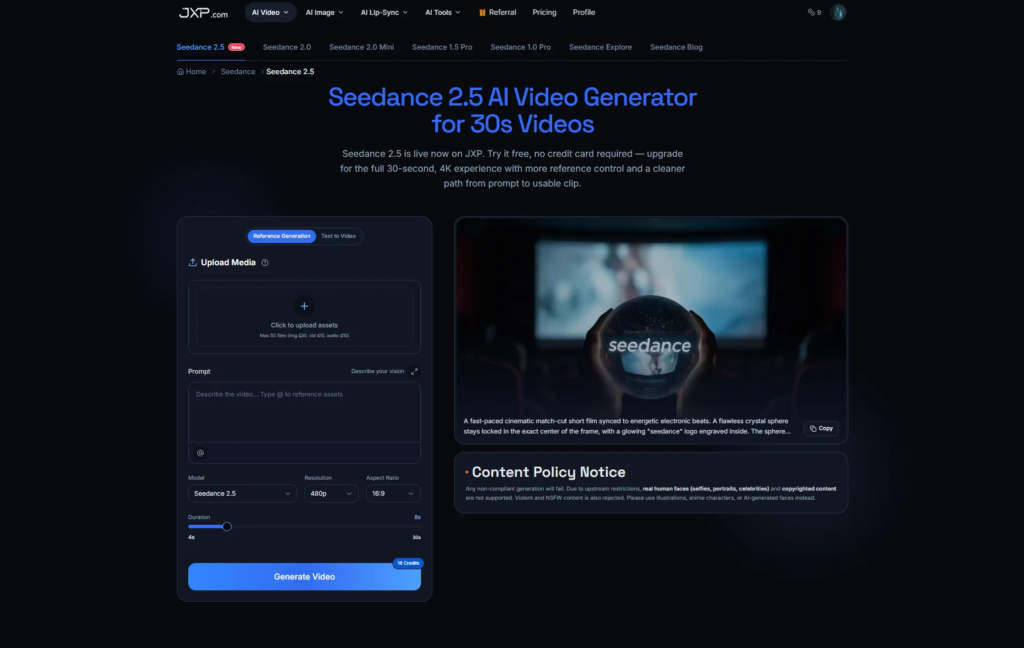
Now available, Seedance 2.5 gives creators a stronger base for that kind of early-stage planning. It supports longer single clips, 4K output in supported workflows, up to 50 multimodal reference inputs and targeted refinement. For event-led content, those details matter because a good promo usually depends on more than one instruction. It depends on mood, movement, timing, artwork, sound and the feel of the place.
Why Creative Video Often Starts Messy
Most event promotion begins before everything is ready. The full photo set has not been shot. The final stage design may still be changing. A lineup announcement might need to go out before rehearsals begin. A venue may want a teaser while still waiting on approved images from performers or partners.
That is normal. Culture, music, food, fashion and lifestyle campaigns often move through drafts. A designer might test poster layouts. A social media manager might try two captions. A photographer might choose between different edits. Video can work the same way, but it has usually been slower and more expensive to draft.
A short AI-generated draft can make the discussion easier. Instead of everyone imagining a clip differently, the team can react to something visible. Does it feel too glossy? Is the pace right for the audience? Is the opening clear? Does the visual idea match the event, artist or brand? These questions are easier to answer when there is something on screen.
Start With Materials the Team Can Actually Use
The best results do not come from a vague prompt alone. They usually begin with materials the team already trusts: approved artwork, original venue photos, licensed product images, simple diagrams, brand colours, music cues, previous social clips or a short written brief.
References give the model direction, but they are not magic. They can guide style, rhythm and composition, yet teams still need to check whether the output remains accurate and appropriate. That is especially important for event details, venue information, artist names, dates, ticket claims, logos and sponsor material.
Creative teams should avoid unsupported references such as real human faces, celebrity likenesses, copyrighted material they do not control, private customer data or anything that could misrepresent a real person or event. Original artwork, properly licensed assets and non-identifiable visual references are safer starting points.
Where It Fits for Venues and Creators
For a venue, a draft might help test the feel of a new night before the final promo is edited. For an independent artist, it might help shape a short visual concept from album artwork or a campaign photo. For a food or lifestyle brand, it might turn product images and mood references into a moving social idea. For a gallery or cultural project, it might help plan how still images could be introduced in a short announcement clip.
In each case, the point is not to pretend the first output is final. The point is to see whether the idea deserves more time. If a draft makes the audience, tone and rhythm clearer, it can help the team brief a designer, editor or production partner with more confidence.
This is also where longer clips matter. A very short test can show a look, but it may not have enough space for a beginning, a shift in energy and a closing moment. A 30-second draft gives more room to test a simple story arc, which suits teasers, launch posts, exhibition intros and small campaign concepts.
Useful Creative Scenarios
Seedance 2.5 is most useful when the team already knows the direction but wants to see it in motion before committing to the finished piece.
- Testing a teaser for a gig, club night, exhibition or local festival
- Turning approved poster artwork into a short social video concept
- Planning a visual opening for an artist interview or venue announcement
- Comparing different mood directions before booking final production work
- Creating an internal draft for a sponsor, partner or creative team review
- Helping editors understand the intended pace, colour and movement
These uses work best when the final public version is still checked by a person. AI-generated motion should not be treated as proof of a real event, a real crowd, a confirmed lineup or a documented performance. Ticket details, schedules, artist permissions, brand marks and factual claims should come from approved sources.
Keep the Draft Honest
One risk with AI video is that a clip can look more finished than it really is. A polished draft may still invent details, distort a logo, change a product, imply a crowd that was never there or make an atmosphere feel different from the actual event. That does not make the draft useless. It just means the team has to review it for the right things.
Good questions include: does the clip match the event tone? Are any people, places or brands misrepresented? Are the visuals clearly promotional rather than documentary evidence? Does the video leave space for real photography, real footage or approved final edits later?
Used this way, Seedance 2.5 event video drafts can sit between the first idea and the finished campaign asset. They help teams explore motion without pretending that generated video removes the need for judgement.
A More Useful Kind of Early Video
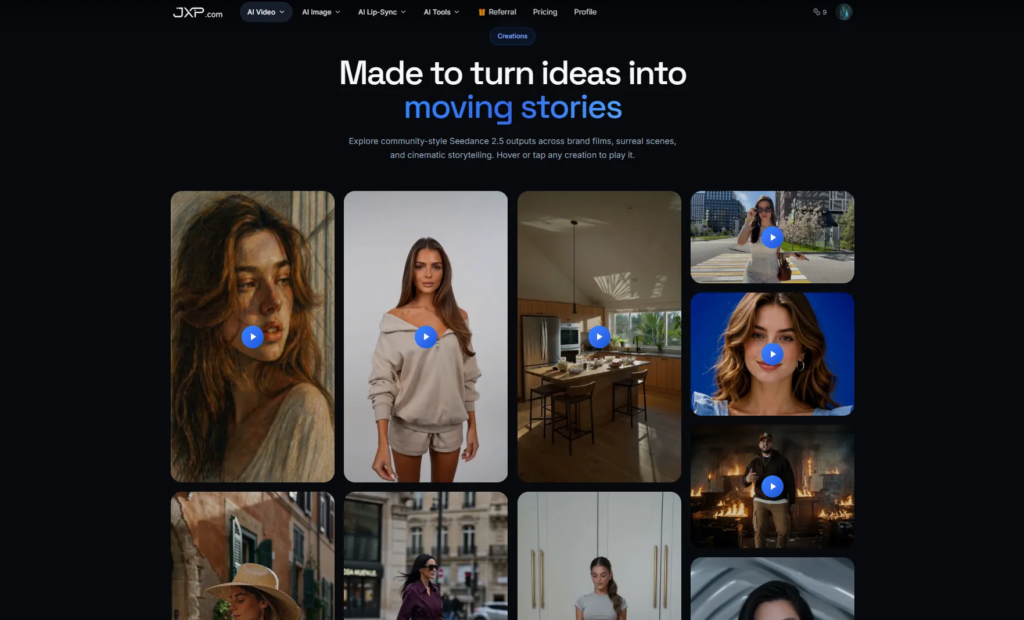
For small creative teams, the biggest advantage is not simply speed. It is the chance to make better decisions earlier. A draft can reveal whether an idea feels too generic, too busy, too slow or too far away from the event’s real identity.
That can matter for local venues, independent artists, community organisers and lifestyle brands. Many of them already work with limited time and mixed materials. If they can turn a poster, photo set or written brief into a reviewable moving concept, they can discuss the idea before spending budget on a final edit.
The human part still matters most. The strongest creative teams will use AI video as a sketchpad, not as an autopilot. They will bring the taste, local knowledge, rights awareness and editorial judgement that make a campaign feel true to the people and place behind it.
Final Thoughts
Seedance 2.5 gives event and culture-focused teams a practical way to bring video into the planning stage. It can help turn approved references into short drafts, test visual direction and make a creative idea easier to discuss.
For a magazine audience used to gigs, openings, launches and city culture, that is the interesting part. AI video is not only about bigger spectacle. Used carefully, it can help smaller teams prepare clearer stories before the final version reaches the public.