Disclaimer: This article is not intended to be a recommendation. The author is not responsible for any resulting actions of the company during your trading experience. The information provided in this article may not be accurate or up-to-date. Any trading or financial decision you make is your sole responsibility, and you must not rely on any information provided here. We do not provide any warranties regarding the information on this website and are not responsible for any losses or damages incurred as a result of trading or investing.
Introduction
Independent music venues, outdoor markets, food festivals, and community events all share one essential requirement: dependable power. Whether supporting a live performance, keeping refrigerated food safe, or processing cashless payments, reliable electricity has become the backbone of successful event operations. Even a brief outage can interrupt entertainment, delay transactions, and affect visitor confidence.
As events become increasingly technology-driven, organizers must plan for more than just total power capacity. They also need systems that can deliver stable electricity under changing conditions while supporting both temporary and permanent installations. Backup generators, portable power stations, battery storage, and solar-integrated solutions each play a role in improving operational resilience. In markets such as the Philippines, where severe weather and occasional grid instability can affect power availability, resilient energy systems have become an increasingly practical consideration rather than simply an emergency backup option.
Why Reliable Power Matters for Independent Venues and Outdoor Events
Reliable power is no longer a convenience for modern events—it is a critical operational requirement. Lighting creates a safe environment for visitors, audio systems ensure performers can be heard clearly, and refrigeration protects food quality throughout the event. At the same time, Wi-Fi networks, payment terminals, ticket scanners, and communication equipment rely on uninterrupted electricity to function properly.
Power interruptions can quickly create a chain reaction of operational problems. Vendors may lose the ability to process digital payments, performances can be interrupted, and refrigerated products may become unsafe if outages continue for an extended period. Event staff may also struggle to coordinate emergency responses without dependable communication systems. By planning for continuous power delivery, organizers can reduce operational risks, protect revenue, and create a safer, more reliable experience for attendees, vendors, and performers alike.
Common Power Challenges Event Organizers Face
Outdoor and independent venues often face power challenges that traditional indoor facilities rarely experience. Temporary electrical infrastructure may have limited capacity, while remote locations can lack reliable grid access altogether. Unexpected weather conditions, including heavy rain and strong winds, may also increase the likelihood of electrical disruptions during critical event hours.
Another common challenge is inaccurate power planning. Equipment such as amplifiers, refrigeration units, and lighting systems may require significantly higher startup power than their normal operating load. Long extension cable runs can also reduce efficiency if they are not properly designed. As events continue to incorporate more digital technologies, electrical demand becomes increasingly complex. Understanding these challenges early allows organizers and energy professionals to select more resilient power solutions that support safe, uninterrupted event operations.
Understanding Event Power Requirements Before Choosing Equipment
Selecting backup equipment begins with understanding how electricity is used across the entire event rather than focusing only on total wattage. Organizers should evaluate continuous loads, startup surges, expected operating hours, and environmental conditions before choosing generators, portable power stations, or battery storage systems. Proper planning helps prevent overloads, unnecessary operating costs, and unexpected equipment failures.
Before selecting backup equipment, venue operators should understand what is voltage and how it affects lighting, audio systems, and power converters. A clear understanding of voltage, current demand, and equipment compatibility helps installers size systems more accurately while protecting sensitive electronics from unstable power. Careful load planning ultimately provides a stronger foundation for reliable, efficient, and resilient event power systems.
How to Assess Electrical Loads for Temporary and Permanent Venues
A reliable power system begins with an accurate load assessment. Whether supporting a permanent music venue or a temporary outdoor market, organizers should first create a complete inventory of all electrical equipment. This includes lighting, sound systems, refrigeration, internet devices, payment terminals, and any additional appliances. Each item’s running wattage, startup power requirements, and expected operating hours should be considered before selecting a backup solution.
Instead of sizing equipment only for current needs, planners should also include a reasonable safety margin to accommodate unexpected demand or future expansion. This approach reduces the risk of overloaded circuits while helping maintain stable performance during peak operating periods.
Typical Event Equipment and Estimated Power Consumption
| Equipment | Estimated Power Draw |
| PA Speaker | 300–800 W |
| LED Stage Lighting | 100–500 W |
| Commercial Refrigerator | 200–800 W |
| POS Terminal | 20–50 W |
| Wi-Fi Router | 10–30 W |
| Laptop | 45–100 W |
Common Load Assessment Mistakes
- Ignoring startup or surge loads
- Underestimating operating hours
- Forgetting future equipment additions
- Selecting equipment with no safety margin
Comparing Generators, Portable Power Stations, and Battery Storage Systems
No single backup solution is suitable for every event. Generators remain a practical choice for large venues with high continuous power demands, especially where long operating hours are required. However, they require fuel, produce noise, and generate emissions that may not be appropriate for every location.
Portable power stations provide quiet, emission-free operation and are well suited for smaller events or powering sensitive electronics such as payment terminals and networking equipment. Fixed battery storage systems are commonly selected for installations that prioritize energy efficiency, lower maintenance, and integration with renewable energy sources. In many cases, a hybrid approach combining multiple technologies offers greater flexibility and resilience than relying on a single power source.
| Feature | Generator | Portable Power Station | Battery Storage |
| Noise | High | Silent | Silent |
| Emissions | Yes | None | None |
| Fuel Required | Yes | No | No |
| Maintenance | High | Low | Low |
| Indoor Use | No | Yes | Yes (when properly installed) |
| Best For | Large Events | Small Events | Hybrid & Long-Term Backup |
When Solar and LiFePO4 Storage Are the Right Choice
Solar-powered energy storage is becoming an increasingly practical option for outdoor markets, community festivals, remote venues, and temporary installations where grid access is limited or unreliable. By combining solar generation with battery storage, organizers can reduce fuel dependence while maintaining power for essential equipment during extended events or unexpected outages. The Philippines is one example where frequent weather events and occasional grid interruptions have encouraged greater interest in resilient solar-powered backup systems.
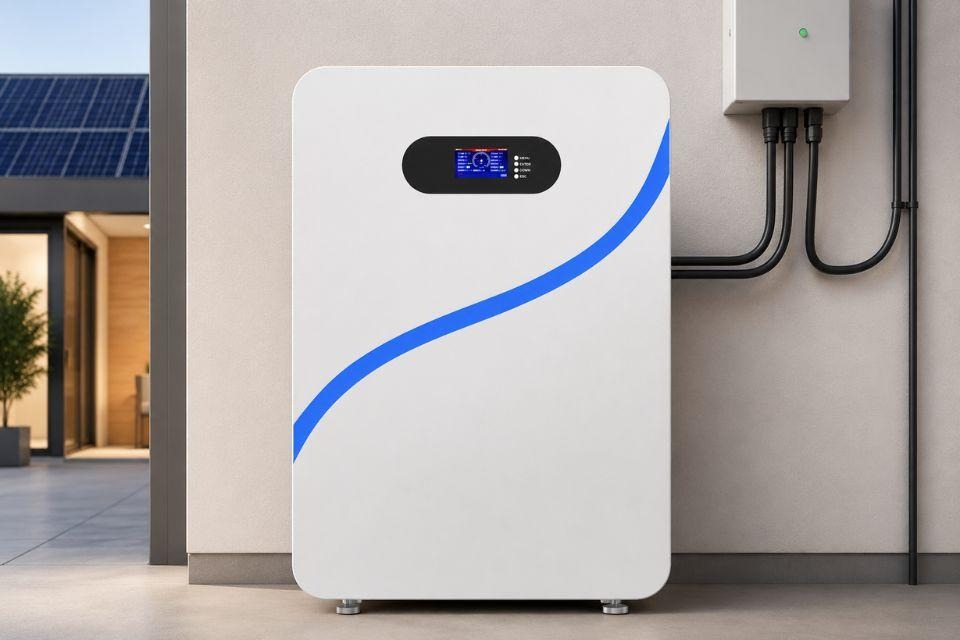
In regions where solar generation and frequent power interruptions overlap, installers may evaluate a LiFePO4 battery for solar based on usable capacity, current output, cycle life, and environmental protection. Compared with many traditional battery chemistries, LiFePO4 technology offers long service life, stable performance, and enhanced thermal stability, making it suitable for demanding outdoor applications. Some energy solution providers, including Avepower, offer modular battery storage systems that support scalable designs for commercial venues and event infrastructure without limiting future expansion.
Noise, Safety, and Environmental Considerations
Choosing the right power solution involves more than meeting electrical demand. Organizers must also consider noise levels, emissions, equipment placement, and overall safety. Fuel-powered generators can produce significant noise and exhaust, making them less suitable for venues near residential areas or locations with strict environmental regulations. Battery-based systems operate quietly and generate no direct emissions during use, making them an attractive option where visitor comfort is a priority.
Weather protection is equally important. Outdoor equipment should be shielded from rain, excessive heat, and dust, while cables must be routed carefully to reduce trip hazards. Proper ventilation, routine inspections, and compliance with local electrical regulations further improve system reliability and help minimize operational risks throughout an event.
Best Practices
- Protect electrical connections from rain and moisture.
- Avoid overloading extension cables.
- Secure cables to reduce trip hazards.
- Test backup equipment before every event.
- Follow manufacturer safety recommendations.
Best Practices for Building a More Resilient Event Power Strategy
A resilient event power strategy starts with careful planning rather than purchasing the largest available power source. Organizers should evaluate actual electrical demand, account for future expansion, and choose equipment that matches both continuous and peak power requirements. Testing backup systems before each event helps identify potential issues before they affect operations.
Regular maintenance is equally important for long-term reliability. Batteries, generators, cables, and connectors should be inspected according to manufacturer recommendations, while staff should understand basic operating procedures and emergency response plans. Where practical, combining renewable energy with battery storage can improve flexibility and reduce fuel consumption. Reviewing power performance after every event also provides valuable insights that can improve planning, equipment selection, and operational resilience for future projects.
Conclusion
Reliable power is fundamental to the success of independent venues and outdoor events. From accurate load assessments to selecting appropriate backup technologies, every planning decision contributes to safer operations, better visitor experiences, and reduced downtime. Generators, portable power stations, battery storage, and solar-integrated systems each have unique strengths, making proper planning essential for choosing the right solution. Regular maintenance, safety checks, and realistic load assessments further improve system reliability and help minimize unexpected disruptions.
As outdoor events continue to rely on digital infrastructure and uninterrupted electricity, resilient power planning is becoming an operational necessity rather than an optional investment. By adopting a well-designed energy strategy, organizers can improve efficiency, protect equipment, and ensure consistent performance in changing conditions. As these requirements continue to evolve, Avepower offers energy storage solutions that may be worth considering as part of a flexible, long-term resilience strategy.
Frequently Asked Questions
1. Why is reliable power important for outdoor events?
Reliable power keeps essential systems such as lighting, sound equipment, refrigeration, internet connectivity, and payment terminals operating without interruption. This helps improve safety, visitor experience, and overall event efficiency.
2. How do you calculate the electrical load for an event?
Start by listing every electrical device, recording its power consumption, estimating operating hours, accounting for startup surge requirements, and adding a safety margin. This process helps ensure the selected power system can handle real operating conditions.
3. Which backup power solution is best for temporary event venues?
The best solution depends on the event’s size and energy needs. Generators are suitable for high-demand applications, portable power stations work well for smaller events, and battery storage systems provide quiet, low-maintenance backup for many commercial applications.
4. When is LiFePO4 battery storage a good choice for outdoor events?
LiFePO4 battery storage is ideal when long cycle life, stable performance, quiet operation, and low maintenance are priorities. It is commonly used for outdoor markets, festivals, remote venues, and solar-powered backup systems.
5. Can solar power provide reliable backup for independent venues?
Yes. When combined with properly sized battery storage, solar energy can provide dependable backup power for many outdoor venues, especially where grid reliability is limited or fuel availability is a concern.