A band announcing a support slot at a local venue usually has about 48 hours to get people talking before tickets go on sale. There’s a poster to design, a teaser clip for Instagram, and maybe a short video for the venue’s own page — all while rehearsing, sorting merch, and doing everything else that comes with playing a gig on no real budget.
For most independent acts and small promoters, that promo work falls entirely on whoever in the group happens to be handy with a laptop.
This guide is for exactly that person. We’ll cover:
- Why gig promo content always takes longer than it should
- What actually causes the last-minute scramble
- Practical shortcuts that let a band or promoter put out content that looks properly finished — without hiring a designer or videographer
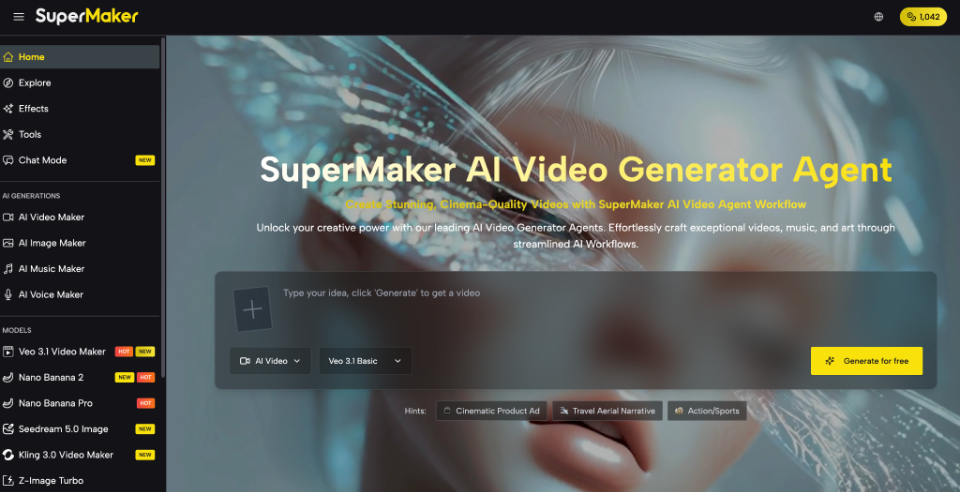
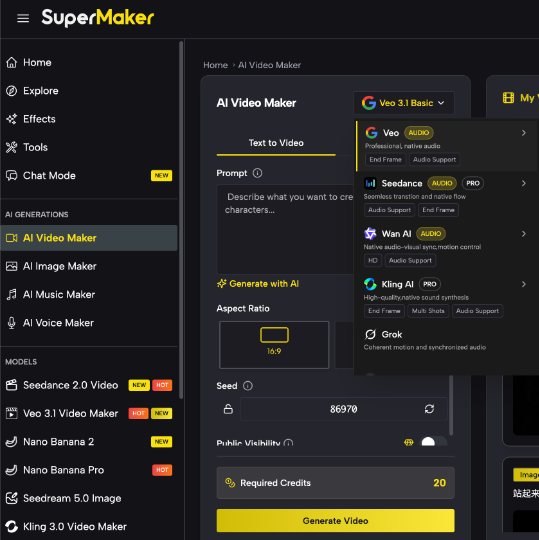
One option worth knowing about is an AI video maker, which has become a way for smaller acts to turn a few photos or clips into a short promo video without touching a full editing timeline.
Why Gig Promo Content Always Ends Up Taking So Long
Most independent bands don’t have a dedicated person for graphics or video. Whoever is free ends up making the poster the night before doors open, usually right after rehearsal, using whatever photo turned out well from the last show.
It’s rarely about a lack of ideas. It’s that promo work competes with everything else a band is already juggling, and venues now expect content that looks as polished as what bigger acts post — even though smaller bands are working with none of the same resources.
The actual time sink is rarely the creative decision. It’s almost always the software and the steps in between having an idea and having a finished file ready to post.
1. Design and Editing Software Has a Learning Curve of Its Own
Most professional design and video tools assume the user already knows layers, timelines, and export settings. For someone who only needs one poster a month, learning that software properly takes longer than making the poster itself.
2. Good Photos Rarely Exist for Every Release
Not every single gig has a decent press shot to work from. Bands often end up reusing the same three photos because there’s no time or budget for a proper shoot before each release.
3. Formats Multiply Across Platforms
A poster for the venue, a square version for Instagram, a vertical teaser for Stories, and sometimes a banner for a ticketing page all need to exist from the same core idea — turning one design job into four.
How AI-Assisted Tools Fit Into a DIY Promo Workflow
AI-assisted generation tools don’t replace a band’s creative direction. They take over the repetitive parts: resizing, animating a static image, or producing a rough visual when there isn’t a usable photo on hand.
This is where an AI image maker becomes useful — for artwork that has nothing to do with photography at all, such as an abstract cover for a single or a background texture for a poster that fits a band’s existing visual style. Once that base artwork exists, it can be reused across formats instead of being redesigned from scratch for every platform, which is usually where most of the wasted time was going in the first place.
Where These Tools Actually Help in a Local Gig Cycle
Not every release needs the same treatment. Understanding where these tools genuinely save time helps a band or promoter decide when it’s actually worth using them.
1. Turning a Single Photo Into an Announcement Post
A decent phone photo from soundcheck can be turned into a short animated announcement — Unfulful when a gig gets confirmed with barely a week’s notice and there’s no time for a proper shoot.
2. Building Artwork for a Release With No Cover Photo Yet
When a single is finished before any artwork exists, generated visuals give a band something usable for streaming platforms and social posts without delaying the release date.
3. Resizing One Idea Across Every Platform a Gig Needs
The same base design can be adapted into a poster, a square post, and a vertical story without redoing the layout each time — keeping the visual identity consistent everywhere fans will actually see it.
4. Putting Together a Recap Clip After the Show
Photos and short clips from the night can be assembled into a quick recap video, useful for keeping momentum going into the next gig announcement while the crowd’s still talking about the last one.
5. Refreshing Old Merch Artwork Between Tours
A design that’s been reused for a couple of years can be quickly reworked into a new variation for a fresh run of shirts or stickers, without commissioning an entirely new piece. It also gives a band a low-risk way to test a new visual direction before committing to it for a full album cycle.
What to Check Before Posting AI-Assisted Promo Content
Speed is only useful if the result actually looks like the band it’s promoting. Consistency with a band’s existing visual identity matters most, so any generated artwork should be checked against past posters and covers rather than posted as a one-off that doesn’t match. It’s also worth confirming usage rights before putting generated visuals on merch or official release artwork, since terms can vary depending on the plan being used.
A few habits tend to undercut this once the novelty wears off:
- Posting the first result without a second look. A generated poster can look sharp on its own screen and still clash with a band’s actual color palette or font choices.
- Over-relying on generated content for every single post. Fans following a local act tend to notice when everything suddenly looks machine-made — especially behind-the-scenes shots that work better left exactly as they are.
Reserving the shortcuts for formats that genuinely need them — quick resizes, last-minute announcements — keeps a band’s feed looking like itself.
A quick habit worth building: save whatever settings or prompts actually produce a usable result, so the next release doesn’t start from zero. Over a few gigs, that turns an occasional shortcut into something closer to a repeatable part of how the promo gets done.
Getting Promo Content Out Without Losing the Weekend
The gap between how much time a small band has and how much promo content venues and platforms now expect isn’t going away, and most acts aren’t going to hire a designer for every gig. Understanding where the actual time gets lost — and which parts of that process can be shortened with AI-assisted tools — gives a band or promoter room to focus on the music instead of losing an evening to export settings.
Used sensibly, these tools don’t replace a band’s sense of what looks right for them. They cut out the repetitive steps between having a photo and having something worth posting, which means more of the week stays free for rehearsing, playing, and everything else that actually matters about the gig.