Source: Canva editor
The perfect integration of music with gameplay produces a special effect that makes them difficult to separate. Music slots contain interactive, colorful video games which integrate classic musical elements beyond basic slot gaming mechanics.
The games send players directly to sound-based dimensions. By operating in the background, audio engineering is essential to transforming simple slot machine encounters into unforgettable sensory experiences.
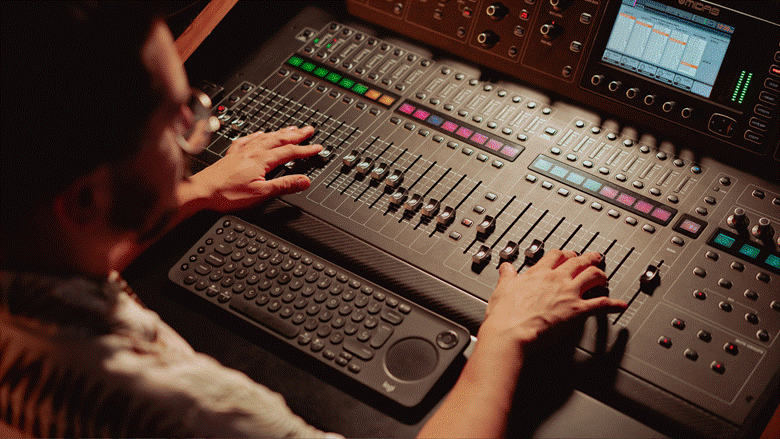
The process of audio engineering in slot development extends beyond mere musical decoration of machine symbols. To properly integrate rhythm and space, create sound worlds, and use psychological auditory triggers to influence player emotions, feedback, and game retention, the technique calls for several components.
Music Meets Mechanics: Crafting the Experience
Most people believe audio engineers perform basic tasks by choosing music tracks and repeating them before finishing their work. Far from it. The start of their process involves achieving a complete grasp of gameplay emotions and anticipation mechanisms, together with the game’s fundamental thematic structure. The selected musical genre for either a high-vibing rock reel or a relaxing jazz-themed reel must accurately translate every element of the game’s presentation.
The fishin frenzy slot game achieves its player engagement through the trio of sonic elements, including simulated water noises as well as occasional bird calls, together with atmospheric sound effects which make players experience being at sea despite playing on-screen. Through diligent engineering work, engineers carefully EQ’d and blended spatial depth into these noises to create this effect, which increased player immersion.
And let’s not forget synchronization. The audio system generates both a visual and auditory display of bonus round achievements and new feature implementations. Sensations of excitement arise from chimes as well as crashes that fuse with escalating beats. To produce these signals, many games use exact audio triggers created for every gameplay element.
Behind the Soundboard: Layering and Spatial Awareness
Musical slot machines achieve their life-like quality through the important audio layering technique. The game design presents itself as a musical based on an ‘80s rock band. The start of the intro music plays with only the essentials of a basic riff. You select “spin” for the machines to activate, and every instrument begins to appear one after another with background drums followed by bass before releasing the full chorale at big winnings. The system layers each sound trigger accordingly to actual-time inducements.
Placing sound correctly represents the core concept of music slot production. The depth of a live performance is produced by spatial audio technology similar to surround sound systems and binaural mixing. Proper implementation grants the experience of music surrounding the listener. The reason why some music slots function better with headphones becomes clear since engineers build solutions mostly for three-dimensional spaces rather than standard stereo formats.
This category of engineer requires abilities that combine artistic inventiveness with engineering proficiency. Reverb and delay elements serve two purposes for engineers: first, to produce effects and second, to reconstruct authentic spaces, including concert halls and nightclubs. The integration of natural voices among the game sounds functions as background noise, which fades inadvertently while preserving gaming immersion.
Emotional Resonance and Retention
Alongside the primary visual attraction are audio components that leave a lasting impact. Even if you forget specific bonus round symbols, you will never forget the powerful guitar solo that played during that moment. The emotional encoding occurs purposefully by design.
Audio engineers utilize auditory conditioning, which operates as a field of psychology. Positive motivational sounds, such as joyful music and celebratory jingle themes and familiar melody snippets, produce pleasure pathways in human audio processing systems.
Combined with other elements, the aim is to raise entertainment quality while professionals handle this process with caution since their true objective is to boost enjoyment rather than effect control. When players are genuinely enjoying the sound design, they’re more engaged, and engagement is the core of retention.
For many gamers, the sound design of vintage arcade and console games is their most treasured memory. The majority of games possess audio effects and music which have become famous over time. In slot game sound design, the fundamental requirement is infinite sound variation capability.
So, to Put It All Together
Within the realm of visually dominant entertainment settings, audio engineering in music slots maintains an understated power to set the audio environment through silent operations. Through its sounds, each spin achieves depth while each win obtains emotional impact, and every theme adopts personality. These subtle yet significant frequency and reverb effect choices are manipulated by the musical soundscape professionals to enhance the overall gaming experience in addition to its visual presentation.
Extensive gaming experience has taught me that elaborately designed graphics without effective audio components will create empty gameplay. A slot with engaging and carefully designed audio will create an experience that reaches cinematic quality even without extensive graphics work.
Audio engineering performs its magic invisibly behind all musical instruments. The audio production maintains a quiet presence before it naturally attracts listeners who become an integral part of the special sonic experience it creates in games.