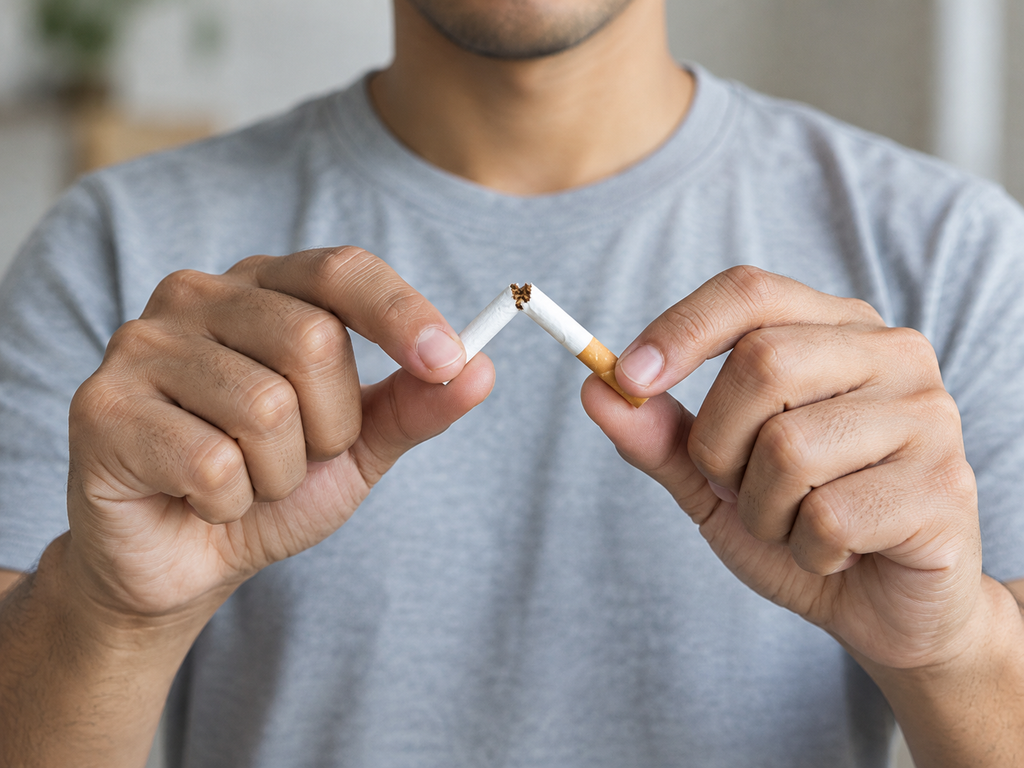
For years, I told myself I would quit smoking when the timing felt right. There was always a reason to put it off. Work was stressful, weekends involved going out, and after a long day, reaching for a cigarette had become almost automatic.
Eventually, I decided that waiting for the perfect time was not working. I wanted to stop smoking, but I did not really know what came next.
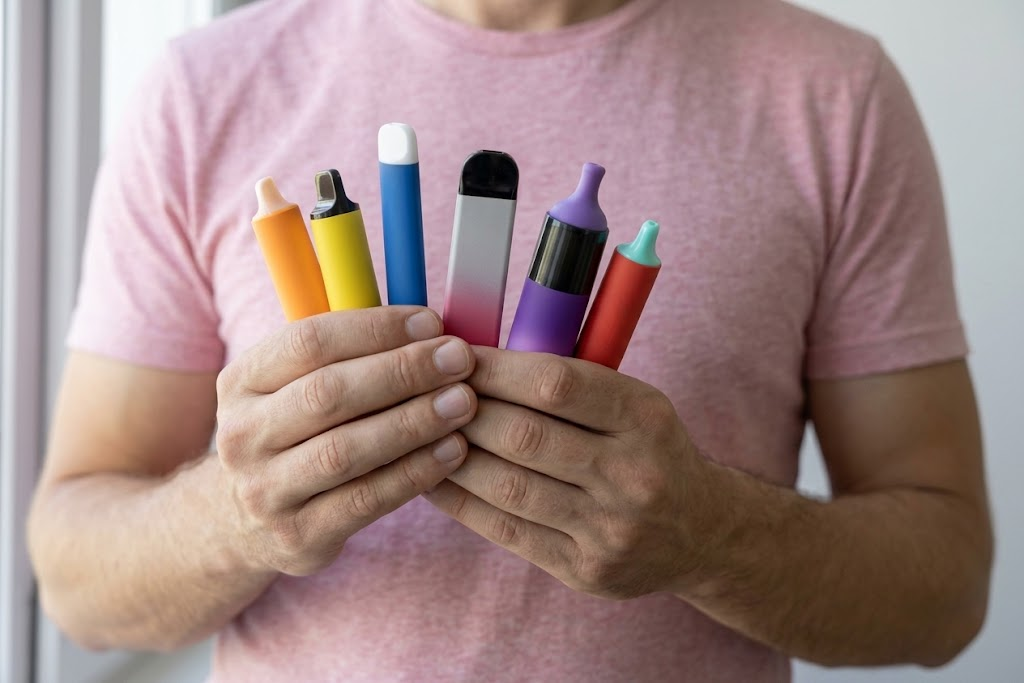
Vaping seemed like one possible option, but I quickly realised there was much more to it than picking a device from a shelf. There were different types of vapes, nicotine strengths, e-liquids, pods and refillable devices. I had no idea what most of those things meant.
That was where my research started, and eventually I came across Vape and Go.
The first thing I needed to understand
The biggest mistake I was making was thinking about vaping as simply replacing a cigarette with another product. The more I read, the more I understood that the goal was actually to move away from smoking completely.
According to the NHS, nicotine vaping is less harmful than smoking because cigarettes produce thousands of chemicals through burning tobacco, including many that are toxic. Vaping is not harmless, and its long term effects are still being studied, but for adult smokers it can be used as a tool to help stop smoking.
That distinction mattered to me.
I was not looking to become a person who simply added vaping to my routine while continuing to smoke. I wanted to understand how vaping could fit into an attempt to leave cigarettes behind.
Vape and Go became useful during that research because it gave me somewhere to start learning about the different types of products available. Instead of immediately buying something without knowing what I was getting, I could first understand the difference between devices and what each one was designed to do.
What I wish someone had explained earlier
One of the first things I learned was that nicotine strength matters. A smoker who has been used to regular nicotine intake may find that choosing a strength that does not adequately manage cravings makes switching unnecessarily difficult.
The NHS recommends choosing a nicotine level that matches how much and how frequently you smoke, with advice from a specialist vape shop or local Stop Smoking Service if needed.
I also learned that there is no single device that makes sense for everyone. There are compact pod systems, vape pens and refillable devices, with some options being much simpler for beginners than others.
That helped me avoid the temptation to buy the most complicated device simply because it appeared to offer more features.
Vape and Go also helped me understand that e-liquid is another part of the decision. Flavour is obviously a personal preference, but nicotine content and the type of device being used matter too. The point was not to collect products. It was to find something practical enough that I could actually stick with the switch.
There was another detail I had overlooked: vaping works best as part of a complete move away from cigarettes. The NHS notes that people only receive the full benefits of switching when they stop smoking completely.
That became my main rule.
I also learned the importance of buying from a reputable UK retailer. Vape products sold legally in the UK are subject to safety and quality requirements, and the NHS recommends using reputable specialist shops, pharmacies, supermarkets or UK based online retailers.
Making the switch feel less overwhelming
I started this process thinking I needed to know everything about vaping before I could even begin. I eventually realised I only needed to understand the basics first.
What type of device suits my routine? What nicotine strength makes sense for my previous smoking habits? Do I want something simple or refillable? What will I need to maintain it?
Those questions made the whole process feel much more manageable.
Vape and Go was part of that learning process for me, but the bigger lesson was that quitting smoking does not have to mean figuring everything out alone.
For anyone considering the same route, the important thing is to approach vaping as a smoking cessation tool rather than something to take up if you do not already smoke. It is still possible to become dependent on nicotine, and vaping itself is not risk free.
I started this journey because I was tired of telling myself that I would quit smoking someday. Understanding my options gave me a clearer place to start, and for the first time, quitting felt less like an impossible promise and more like something I could actually work towards.