Disclaimer: This article is not intended to be a recommendation. The author is not responsible for any resulting actions of the company during your trading experience. The information provided in this article may not be accurate or up-to-date. Any trading or financial decision you make is your sole responsibility, and you must not rely on any information provided here. We do not provide any warranties regarding the information on this website and are not responsible for any losses or damages incurred as a result of trading or investing.
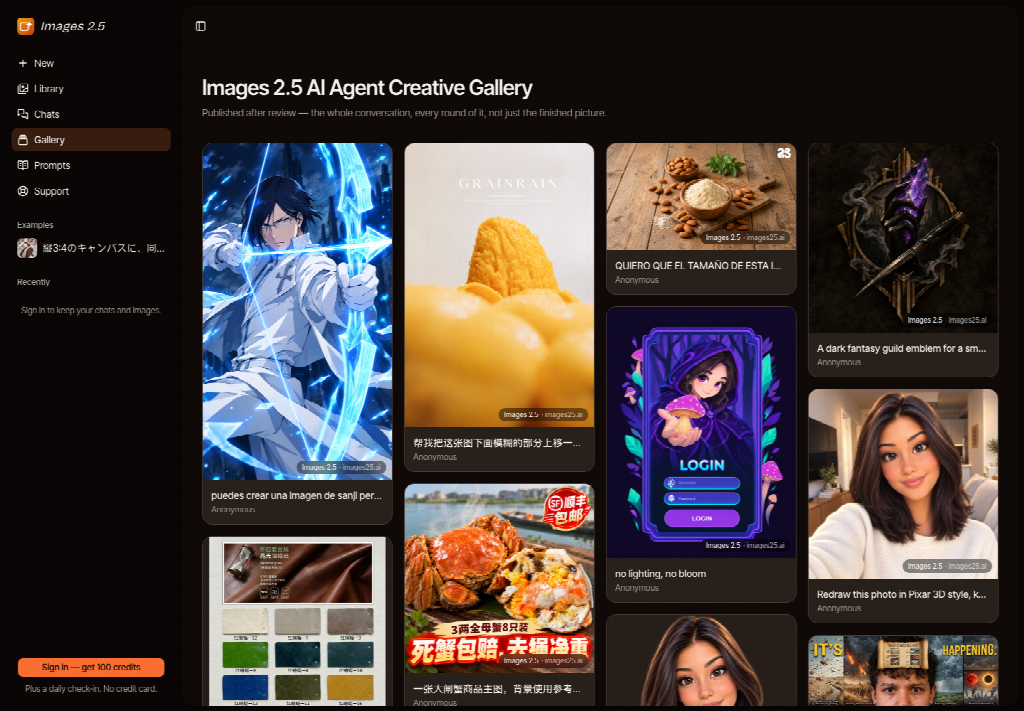
Sheffield festival posters lose the act when a restyle keeps the lights and drops the face, and a theatre still has the same problem in a smaller frame. The lineup is a list of people. If the picture no longer matches the person on the bill, the poster is advertising a show you are not staging. Images 2.5 comes into that job as a way to change the look and leave the performer.
Festival desks can hand a still and a sentence to Images 2.5. The opening screen is a full workspace, navigation included, with the composer already open. You are not building a new cast. You are asking whether a treatment can sit on top of a photograph the company already approved.
A Festival Poster Is A Lineup First
A city festival poster is read as a promise of who is on which night. The illustration can be playful. The face, if a face is used, cannot be a cousin of the performer. Programme editors already know this from print. A restyle that makes the stage lights prettier and the jaw softer will get caught at the door, by the performer, not by a design review.
The old route is a long grade in a desktop tool, then a panic when the file is late for the printer. That path wastes the afternoon on color and still risks the identity. The cheaper failure is a poster that looks finished on a studio monitor and wrong on a venue door, where the reader knows the company. Image 2.5 does not fix a lineup that is still being argued. It only has a chance once the names and the approved stills are frozen, and the remaining question is treatment.
That order matters for a festival week, when three shows share one printer slot. The desk that restyles first and checks identity later will spend the correction window on the wrong problem. Check the bill, then the face, then the color. A beautiful wrong person is a listing error, the same kind a venue would rather catch before the posters are in the frames by the door.
- A lineup name beside a face that is no longer that performer.
- A costume that changed when only the backdrop was meant to.
- A poster that wins the mood and loses the person at the top of the bill.
Keep The Pose When The Style Changes
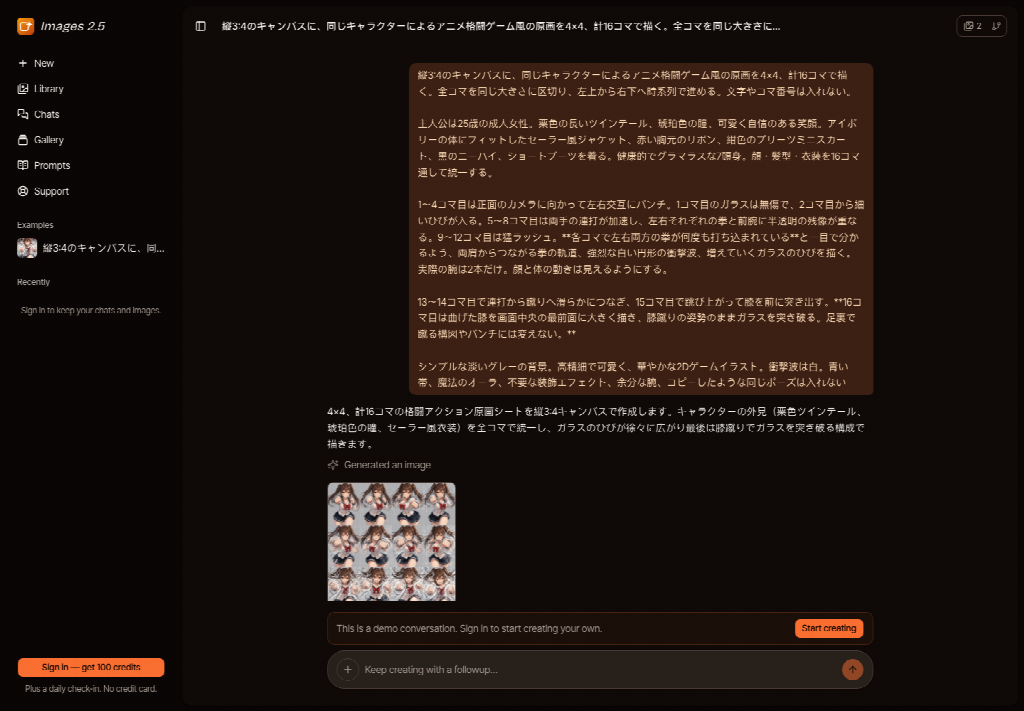
The public composer shows a ready sentence for this exact tension: redraw the photo in a Pixar-like 3D style, and keep the pose and the outfit unchanged. That chip is not a theatre brief, but it is the right shape of brief. An Images 2.5 AI Image Agent is being shown a request that separates treatment from the body. A festival desk can copy the shape, not the cartoon: change the color of the stage, keep the pose, keep the costume the wardrobe already fitted.
Name The Pose And The Outfit
Say those two out loud in the sentence. Pose is the stance the photographer cleared. Outfit is the garment the show owns, not a suggestion. If the result turns a fitted jacket into a generic coat, you reject it even when the lighting is finally the lighting you wanted. The costume is part of the production. A prettier coat is a different production.
Leave The Backdrop Free To Move
The backdrop is the part you are allowed to spend. A flat rehearsal-room wall can become a darker stage. That is the change. If the backdrop change drags the face with it, the sentence was too loose, or the result ignored the keeps. Ask again, and repeat the pose and the outfit. Do not add a third wish in the same breath. One change is how you can tell what broke.
A Period Look Still Has To Be Them
A separate kind of ask is a period treatment: an eighties studio feeling, softer light, a pastel ground, a bit of grain, while the person stays recognizable. The fast variant is described as the one for those tries, seconds rather than a reshoot, so a company can see three moods before committing the printer. The test is not whether the decade looks charming. The test is whether the performer would accept the face.
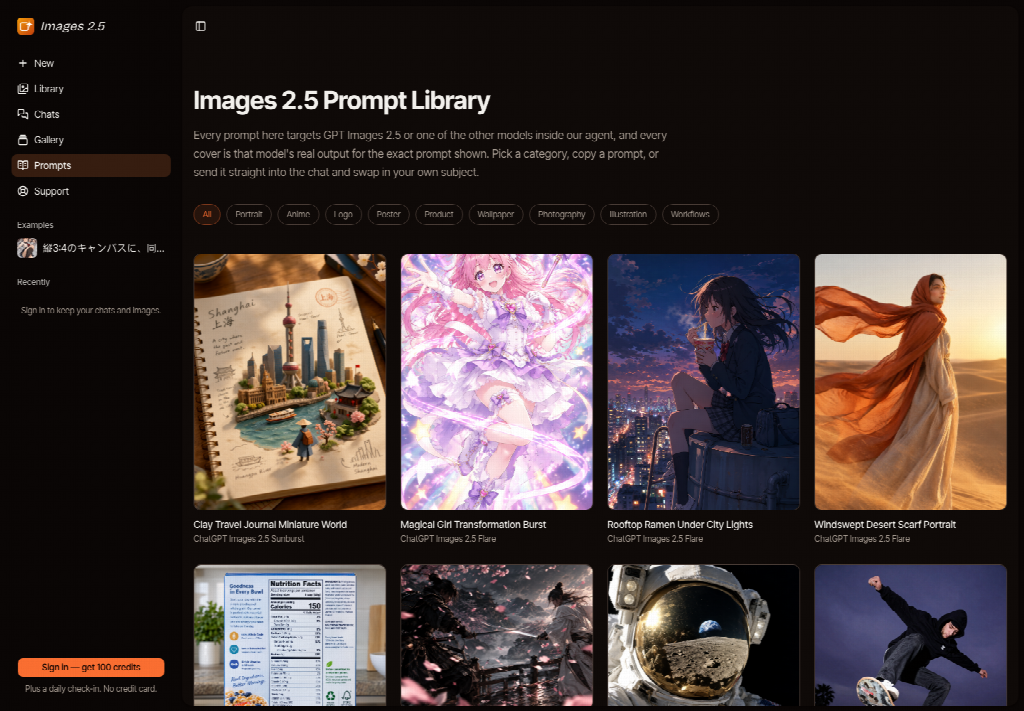
Images 2.5 is explicit that this kind of restyle is supposed to keep the person while the surroundings move. That is a claim you can check, because you still have the source still. Put them side by side. If you would not put both in the programme without a caption explaining the costume, the period pass has gone too far. Charm is not identification. A company that already has a strong still should treat the period pass as a cover option, not as a replacement for the photograph in the biogs. The biog is where the name is learned. The poster is where it is recognized. If those two pictures diverge, the cheaper one to change is the poster, and the change is to come back toward the still, not to push the still toward the poster.
Wardrobe will have a view on this that design will not. A jacket that was built for a scene has a reason: a pocket, a tear, a color called in the text. A restyle that cleans the tear because it looked accidental has edited the play. Put one sentence in the brief that names the garment detail which must remain, the way the chip names the outfit. Then look for that detail first when the file comes back. If it is gone, you do not need a meeting about whether the grain feels eighties. The file is already wrong.
Time is the other ledger. A festival desk does not have a week for a single poster once the lineup is public. The value of a fast variant is that a failed mood costs a short wait, not a reshoot and not a courier. That only stays true if you stop. Three tries that each keep the face are a choice. A seventh try that finally looks dramatic and no longer looks like the lead is how the printer slot gets spent on a correction you will not run. Stop when the face holds, even if a later mood might have been prettier.
Read The Face Against The Source Photo
Do this at the size of a poster on a door, not at fullscreen. The door is where a regular audience member decides they know who is on tonight. If the face only matches when you are close enough to see pores, it does not match. Reject that export. A prompt grid full of other portraits will not settle the question. Those cards are not your company, and a public gallery of finished pictures is a different screen from the still your photographer delivered.
Print When The Performer Still Matches
Print when the pose and the outfit survived and the face is still the person on the lineup. Hold the file when the treatment invented a costume or a softer stranger. Images 2.5 can run the sentence and keep the correction in one thread. It does not know the casting, and it does not replace a call to the performer when the show is using their photograph.
Keep the approved still in the same folder as the poster export. If the door print argues with the programme, you want the photograph everyone already signed, not a memory of which pass felt more like the decade. The lineup is the show. The grade is only the grade.