Disclaimer: This article is not intended to be a recommendation. The author is not responsible for any resulting actions of the company during your trading experience. The information provided in this article may not be accurate or up-to-date. Any trading or financial decision you make is your sole responsibility, and you must not rely on any information provided here. We do not provide any warranties regarding the information on this website and are not responsible for any losses or damages incurred as a result of trading or investing.
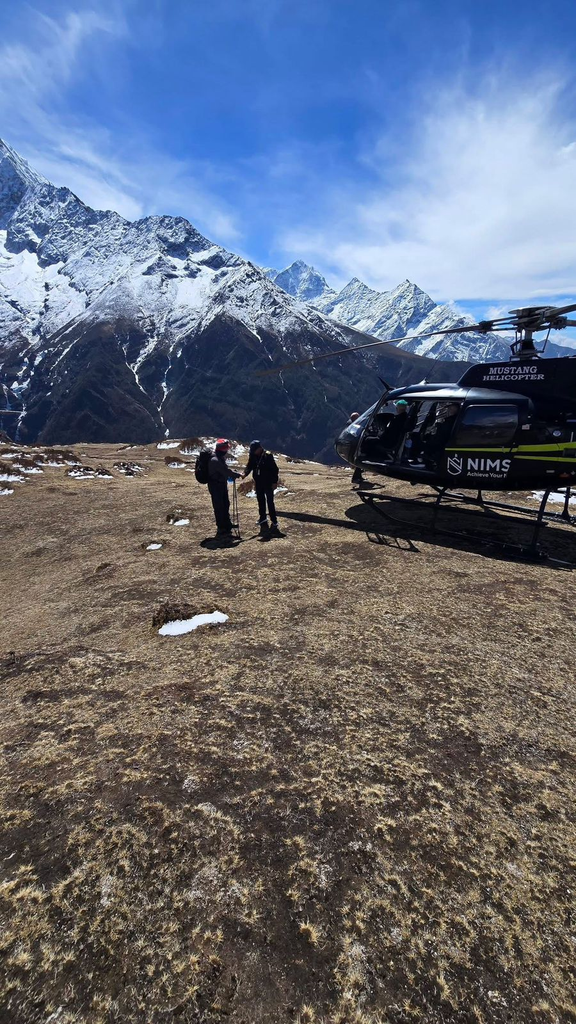
Mount Everest has captured the imagination of travellers for generations. For some, the dream is to stand at Everest Base Camp after days of trekking through the Himalayas. For others, it is to admire the world’s highest mountain from a scenic helicopter flight or experience the beauty of the Khumbu region without spending two weeks on the trail.
Traditionally, the Everest Base Camp trek involves approximately 12–14 days of walking, including acclimatisation and the return journey. Although this classic route remains one of Nepal’s most rewarding adventures, modern travel options offer new ways to experience Everest with greater flexibility and comfort.
Today, travellers can choose luxury lodges along the trekking route, fly by helicopter into or out of the Everest region, or combine a genuine trekking adventure with a spectacular aerial return.
These options make the Everest experience more accessible to travellers with different schedules, comfort preferences and levels of trekking experience. They can be particularly appealing to couples, busy professionals, experienced hikers seeking additional comfort and senior travellers who want to explore the Himalayas with carefully planned support.
In this guide, we explore three distinctive ways to experience Everest: a luxury lodge trek with a helicopter return, a trek-in and fly-out adventure, and day or multi-day helicopter tours. We will also explain which option may suit you best.
1. Luxury Everest Base Camp Trek with Mountain Lodges and Helicopter Return
A luxury Everest Base Camp trek with a helicopter return is an excellent choice for travellers who want to experience the Himalayas on foot without having to retrace the entire route back to Lukla.
This journey combines the adventure of trekking through traditional Sherpa villages with comfortable accommodation in selected mountain lodges, professional guide support and the convenience of a helicopter flight at the end.
Rather than simply flying over the mountains, you spend several days immersed in the landscape, experiencing the gradual changes in scenery, altitude and culture as you move deeper into the Khumbu region.
The helicopter returns then offers a different perspective on the same mountains, allowing you to appreciate the immense scale of the Himalayan landscape from above.
What makes this luxury trek different?
The main difference is the combination of trekking, accommodation and transportation.
In Kathmandu, travellers can enjoy 5-star hotels, private airport transfers and personalised assistance. Along the lower Everest trail, handpicked lodges provide more comfortable rooms, warm dining areas and additional facilities compared with standard teahouses.
At higher elevations, however, facilities become more basic. Around Lobuche and Gorak Shep, private bathrooms, heating and hot showers cannot be guaranteed. A genuine luxury package recognises these limitations while arranging the best available accommodation.
The helicopter return reduces the need for several additional days of walking, although it remains dependent on weather, aircraft performance, passenger loads and operational permissions.
Suggested itinerary: Luxury Everest trek with helicopter return
This itinerary follows the route through Phakding, Namche Bazaar, the Everest View Hotel area, Khumjung, Tengboche, Dingboche, Lobuche and Gorak Shep, before a helicopter return towards Kathmandu.
The precise schedule should be adapted to acclimatisation needs, accommodation availability and flight conditions.
Day 1: Kathmandu to Lukla and trek to Phakding
The adventure begins with a helicopter flight from Kathmandu airport to Lukla.
After meeting the local trekking team at Lukla, begin walking along the Dudh Koshi River. The trail passes traditional settlements, prayer wheels, mani stones and suspension bridges before reaching Phakding.
This first walking day is relatively short compared with the higher stages of the trek, allowing travellers to settle into the mountain environment.
Overnight: Phakding.
Day 2: Phakding to Namche Bazaar
After breakfast, continue along the Dudh Koshi Valley, crossing suspension bridges and passing through villages surrounded by forested hills.
The route gradually climbs towards Namche Bazaar, the main trading centre of the Khumbu region. The final ascent can be demanding, making a steady pace and regular breaks important.
Namche offers a lively combination of Sherpa culture, mountain shops, bakeries and cafés. It is also an important acclimatisation stop before travelling higher.
Overnight: Namche Bazaar.
Day 3: Acclimatisation and exploration around Namche Bazaar
Acclimatisation is a vital part of any safe Everest itinerary.
Rather than continuing immediately to a higher elevation, spend the day exploring Namche Bazaar and taking an appropriate acclimatisation hike. Depending on conditions and the group’s ability, the route may include the Everest View Hotel area or nearby viewpoints.
The day offers opportunities to admire the Himalayan scenery, learn about local life and prepare for the higher stages of the trek.
Overnight: Namche Bazaar.
Day 4: Everest View Hotel and Khumjung exploration
This day focuses on the cultural and scenic highlights surrounding Namche Bazaar.
Walk towards the Everest View Hotel, a well-known viewpoint offering panoramic mountain scenery in favourable weather. The surrounding landscape may reveal views of Everest, Ama Dablam, Lhotse and other Himalayan peaks.
Continue towards Khumjung, a traditional Sherpa village situated in a beautiful mountain setting. The village provides an opportunity to learn about local life and the communities that have shaped the history of Himalayan mountaineering.
The exact route and overnight location can be adjusted according to the selected lodge and acclimatisation plan. Some itineraries include an overnight stay in Khumjung, while others return to Namche.
Overnight: Khumjung or Namche Bazaar, according to the booked itinerary.
Day 5: Trek towards Tengboche or Deboche
Continue through the Khumbu landscape, following trails that pass forested slopes and mountain settlements.
The route towards Tengboche is known for its scenery and the famous Tengboche Monastery, an important Buddhist religious centre in the Everest region.
Depending on the schedule and accommodation arrangements, the overnight stay may be in Tengboche or nearby Deboche.
Overnight: Tengboche or Deboche.
Day 6: Trek to Dingboche
As the trail climbs higher, the landscape becomes more open and alpine.
The journey towards Dingboche passes through traditional settlements and increasingly rugged terrain, with expansive mountain views along the way.
Dingboche, at approximately 4,410 metres, is a common stop for trekkers preparing to travel into the higher Everest region.
Overnight: Dingboche.
Day 7: Acclimatisation in Dingboche
An additional acclimatisation day helps prepare the body for the higher elevations ahead.
Depending on individual condition and the guide’s assessment, travellers may take a gradual hike nearby before returning to the lodge to rest.
This day should not be removed simply to make the itinerary shorter. Appropriate acclimatisation is particularly important for travellers who are unfamiliar with high-altitude environments.
Overnight: Dingboche.
Day 8: Dingboche to Lobuche
Continue towards Lobuche, following a trail through increasingly rugged high-altitude terrain.
The route passes memorials dedicated to climbers and mountaineers who lost their lives in the Himalayas. The surroundings become more exposed, and temperatures can drop significantly.
Walking slowly, drinking sufficient fluids and paying attention to symptoms of altitude illness are important at this stage.
Overnight: Lobuche.
Day 9: Lobuche to Everest Base Camp and Gorak Shep
This is one of the most memorable and demanding days of the journey.
Walk towards Gorak Shep, the high-altitude settlement used as a base for excursions to Everest Base Camp and Kala Patthar.
After checking in or leaving unnecessary luggage, continue towards Everest Base Camp, where the landscape is dominated by glacial moraine, rugged terrain and enormous Himalayan peaks.
The round-trip walk from Gorak Shep to Base Camp is demanding, especially at this altitude. The guide should assess the group’s condition and adjust the plan if necessary.
Return to Gorak Shep for the night.
Overnight: Gorak Shep.
Day 10: Helicopter return towards Kathmandu
After the trekking portion, take a helicopter from Gorak Shep or another authorised pickup point, depending on the operator’s arrangements and prevailing conditions.
The return flight offers a spectacular aerial view of the Khumbu landscape, glaciers, mountain valleys and Sherpa settlements.
Aircraft performance, altitude, passenger weight and operational restrictions may require the flight to stop at another location or use a shuttle arrangement. Direct flights to Kathmandu cannot be guaranteed in every circumstance.
On arrival, transfer to your hotel or onward destination according to the package.
Important itinerary note: This is a demanding example rather than a guaranteed ten-day programme. It combines the requested route with essential acclimatisation, and the schedule may need additional days. Reaching Everest Base Camp and departing from Gorak Shep on the same day can be especially challenging if a Kala Patthar hike is also planned. The final itinerary should prioritise safety over a fixed departure date.
Who should choose this option?
This experience is ideal for travellers who want to reach Everest Base Camp on foot, enjoy upgraded accommodation where available and avoid the long return trek.
It is particularly appealing to travellers who value the journey itself but want to reduce the physical demands and time commitment of walking both ways.
2. Trek In and Fly Out: Reach Everest Base Camp on Foot and Return by Helicopter
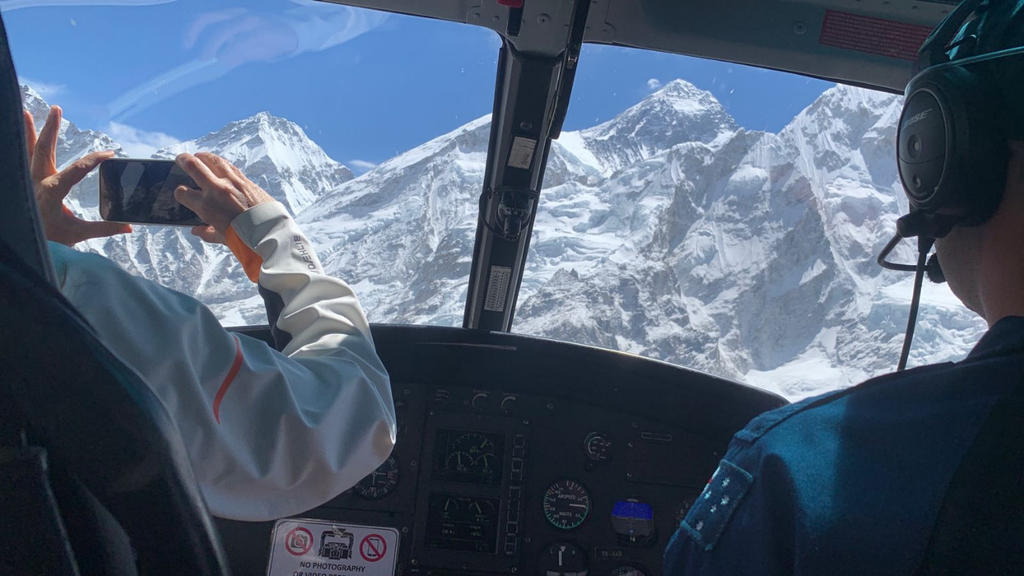
A trek-in and fly-out journey follows the traditional trekking route towards Everest Base Camp, then replaces much of the return walk with a helicopter flight.
It is one of the most practical ways to combine a genuine high-altitude adventure with a shorter overall itinerary.
The main attraction is simple: you experience the mountains at walking pace, visit Sherpa villages and reach Base Camp on foot, but you do not need to spend several additional days retracing the same trail to Lukla.
What is the difference between a luxury lodge trek and a trek-in, fly-out package?
These options overlap, but they emphasise different things.
A luxury lodge trek focuses on the overall level of comfort, accommodation and personalised service. It may include a helicopter return, but the central feature is an upgraded trekking experience.
A trek-in and fly-out package focuses on the transport arrangement: you walk into the Everest region and return by helicopter. Accommodation may be standard or upgraded depending on the package.
In other words, a trek-in and fly-out trip can be luxurious, but it is not automatically a luxury trek. Always check the accommodation and service inclusions.
What does the journey involve?
A typical trek-in and fly-out itinerary includes the following stages:
- Fly to Lukla and begin trekking towards Phakding.
- Continue to Namche Bazaar and spend time acclimatising.
- Explore the Everest View Hotel area and nearby Sherpa villages.
- Trek through Tengboche or Deboche towards Dingboche.
- Allow time for acclimatisation at higher elevations.
- Continue to Lobuche and Gorak Shep.
- Walk to Everest Base Camp and return to Gorak Shep.
- Take a helicopter from an authorised pickup point towards Kathmandu, subject to operational conditions.
The exact number of days depends on the itinerary, acclimatisation requirements, flight arrangements and whether Kala Patthar is included.
A shorter trip can be attractive, but it should never sacrifice the time needed to adjust to altitude.
Advantages of trekking in and flying out
Less time spent retracing the trail: A helicopter return can eliminate several days of walking back towards Lukla.
A different perspective on the mountains: The return flight reveals the immense scale of the Himalayan valleys and glaciers.
Reduced downhill walking: Travellers who find long descents tiring may appreciate avoiding much of the return route on foot.
More flexibility for onward travel: A shorter itinerary can create more time for Kathmandu, Pokhara or another destination, provided adequate weather contingency is included.
What should travellers consider?
Helicopter flights in the Everest region are weather-dependent and subject to strict operational limits. A planned flight may be delayed, rerouted or cancelled, and alternative arrangements may be necessary.
The return flight also does not eliminate the physical demands of the ascent. Travellers still need to walk to high elevations and reach Base Camp safely.
For many visitors, this option offers an excellent balance between adventure and convenience, especially when the itinerary includes realistic acclimatisation and suitable accommodation.
3. Everest Helicopter Tours: A Day Trip or a Multi-Day Experience
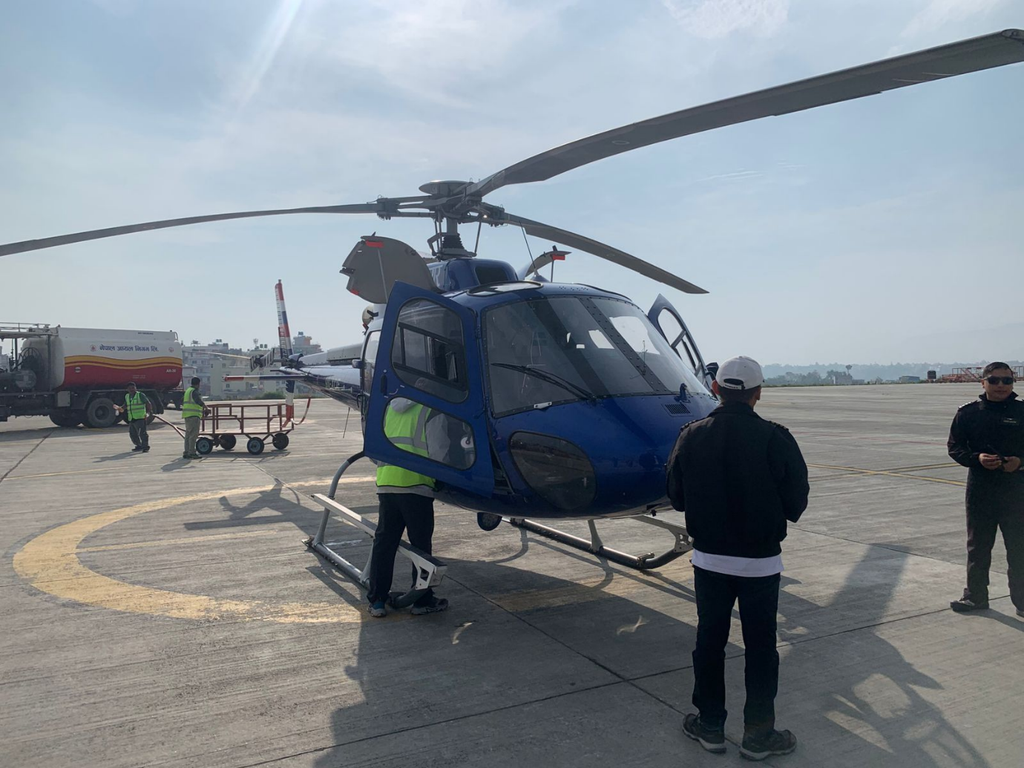
Not every traveller wants to spend several days trekking at high altitude. Some have limited holiday time, prefer to avoid strenuous walking or simply want to experience Everest from the air.
A helicopter tour offers a completely different way to explore the region.
There are two broad approaches: a day helicopter tour from Kathmandu and a multi-day helicopter-supported experience with an overnight stay in the Everest region ( Namche bazaar or Hotel Everest View option to stay)
Option A: Everest Helicopter Tour in One Day
A day tour is ideal for travellers who want spectacular mountain views without committing to a multi-day trek.
The flight generally begins in Kathmandu, with the route and any intermediate stops depending on the operator, weather, aircraft performance and aviation permissions.
As the helicopter approaches the Everest region, passengers may enjoy aerial views of the Khumbu Valley, mountain villages, glaciers and peaks such as Ama Dablam, Lhotse and Everest.
Some itineraries include a stop at a designated location in the Everest region or a breakfast experience at the Everest View Hotel area, subject to the package and operating conditions.
Others focus primarily on aerial sightseeing.
Can a helicopter land at Kala Patthar?
Some specialised itineraries includes a landing at Kala Patthar, but this is subject to strict operating restrictions, weather, aircraft performance, passenger weight and the operator’s arrangements.
Travellers should confirm the exact landing location and the amount of time available on the ground.
An overflight of Everest Base Camp, a landing Kala Patthar and a landing at Everest Base Camp are different experiences. A standard helicopter sightseeing tour should not be assumed to include a landing at Base Camp itself.
Advantages of a day helicopter tour
- Experience the Everest region in a single day.
- Avoid multi-day trekking and high-altitude overnight stays.
- Enjoy outstanding aerial photography opportunities.
- Fit an Everest experience into a short Nepal holiday.
- Combine the tour with other destinations and activities.
The main limitation is that the experience is relatively brief. You see the landscape from the air, but you have less time to explore Sherpa villages, monasteries and mountain trails.
Option B: Multi-Day Everest Helicopter Experience
A multi-day helicopter experience is suitable for travellers who want more time in the Everest region but do not necessarily want to trek all the way to Base Camp.
Depending on the package, the helicopter may be used for the journey into the Khumbu, selected transfers between authorised locations, or the return to Kathmandu.
The trip can be designed around scenic flights, cultural exploration, lodge stays and selected walks at suitable elevations.
For example, a traveller might fly into the Everest region, stay in a comfortable lodge in Namche Bazaar or another suitable settlement, visit the Everest View Hotel area, explore Khumjung and return by helicopter according to the booked arrangements.
Another option is a longer helicopter-supported journey with selected overnight stays and short guided walks.
These experiences offer more time to appreciate the region than a single-day tour, while avoiding the demands of a full Everest Base Camp trek.
What are the advantages?
More time in the mountains: Spend a night or several nights in the Everest region rather than returning immediately to Kathmandu.
Cultural exploration: Visit Sherpa settlements and Buddhist heritage sites where the itinerary permits.
Flexible activity levels: Choose shorter walks or sightseeing experiences instead of committing to long trekking days.
Comfort-focused travel: Stay in selected lodges and return by helicopter when included in the itinerary.
However, overnight stays at high elevations still carry altitude-related risks. A helicopter-assisted itinerary must consider the altitude of the landing and overnight locations, not just the amount of walking.
A multi-day helicopter trip is not automatically safer than trekking simply because it involves less physical exertion.
4. Which Everest Experience Is Best for You?
The best option depends on what you want to experience, how much time you have and whether your priority is reaching Base Camp, enjoying luxury accommodation or seeing Everest with minimal trekking.
| Experience | Typical duration | Main advantage | Best for |
| Luxury lodge trek with helicopter return | Around 10–14 days, depending on the route | Trekking, upgraded accommodation and aerial return | Travellers seeking a complete, supported adventure |
| Trek-in and fly-out | Often around 9–12 days, depending on the itinerary | Reach Base Camp on foot and shorten the return | Travellers wanting adventure with less return walking |
| Day helicopter tour | One day | See Everest quickly without a long trek | Visitors with limited time |
| Multi-day helicopter experience | Varies by package | Explore the region with less trekking and more overnight stays | Travellers seeking a flexible mountain holiday |
These durations are indicative rather than guaranteed. Flight schedules, weather, acclimatisation and the selected route can change the final itinerary.
Choose a luxury lodge trek if…
You want to experience the full trekking journey, stay in selected comfortable lodges and receive personalised support throughout the trip.
This option is best when the journey itself matters as much as reaching Base Camp.
Choose a trek-in and fly-out adventure if…
Your main goal is to reach Everest Base Camp on foot but you would prefer to avoid several days of retracing the route on the way back.
This option works well for travellers who want a genuine trekking challenge with a more time-efficient return.
Choose a day helicopter tour if…
You have only one day available, prefer to avoid strenuous trekking or want to see the Everest region as part of a wider Nepal holiday.
It offers spectacular aerial scenery, but it does not replace the experience of trekking to Base Camp.
Choose a multi-day helicopter experience if…
You want to spend more time in the Everest region, explore selected villages and viewpoints, and enjoy comfortable lodge stays without undertaking a full Base Camp trek.
The route should be planned carefully to avoid unnecessarily rapid changes in altitude.
5. Is an Everest Luxury Trek Suitable for Senior Travellers?
Yes, some senior travellers can enjoy an Everest luxury trek, but suitability depends on individual health, mobility, fitness, altitude tolerance and the exact itinerary.
Age alone does not determine whether someone can trek in the Himalayas. Some older travellers are experienced hikers, while others may prefer a shorter, less strenuous experience.
The important point is to choose an option that matches the traveller’s capabilities rather than assuming that a luxury package makes the journey easy.
Option 1: Luxury lodge trek with helicopter return
This can suit active senior travellers who enjoy walking and have experience with longer hikes.
Selected comfortable lodges, porter support and a helicopter return may make the overall experience more manageable. However, the route to Everest Base Camp still involves long walking days, steep sections, uneven trails and overnight stays at high altitude.
The helicopter return reduces the amount of downhill walking but does not remove the demands of ascending to over 5,000 metres.
Senior travellers considering this option should seek medical advice before booking and discuss a realistic acclimatisation schedule with their operator.
Option 2: Trek-in and fly-out
This may be appropriate for senior travellers who are comfortable with several days of trekking but would prefer to avoid the long return walk.
The main advantage is reduced walking on the way back. The ascent remains physically demanding, so this is not necessarily the best choice for someone with limited mobility or little hiking experience.
A longer itinerary with additional rest and acclimatisation days may be more appropriate than an ambitious short programme.
Option 3: Day helicopter tour
For many travellers who want to see Everest without a long trek, a day helicopter tour may be the most practical choice.
It requires far less walking than a Base Camp trek and avoids multiple nights at high altitude.
Nevertheless, helicopter tours can involve rapid exposure to high elevations, and any landing at a high-altitude viewpoint introduces additional considerations. Travellers should discuss medical concerns with a healthcare professional and confirm the tour’s actual landing arrangements.
Option 4: Multi-day helicopter experience with lower-altitude overnight stays
A carefully designed multi-day helicopter trip may offer a good compromise for travellers who want to experience the Everest region without trekking to Base Camp.
The itinerary can focus on selected scenic viewpoints, cultural sites and overnight stays at suitable elevations, with short walks adapted to individual ability.
However, flying to a high-altitude location and sleeping there can still pose a risk of altitude illness. The itinerary should be designed around safe altitude exposure, not merely convenience.
Practical advice for senior travellers
Before booking an Everest experience, consider the following:
- Consult a healthcare professional familiar with high-altitude travel, especially if you have cardiovascular, respiratory or mobility concerns.
- Choose an itinerary with a realistic pace and sufficient flexibility.
- Discuss walking distances, stairways, uneven trails and access to accommodation.
- Confirm the availability of porter support and assistance with luggage.
- Understand the limitations of medical facilities in remote mountain areas.
- Ensure travel insurance covers the activities planned and any required emergency evacuation.
- Allow contingency time for weather-related flight disruption.
A luxury itinerary should offer clear information and appropriate support. It should never promise that altitude-related risks can be eliminated.
6. When Is the Best Time to Experience Everest?
The main trekking seasons in the Everest region are spring and autumn.
Spring, March to May: This period is popular for trekking, with increasingly favourable conditions as the season progresses. April and May are particularly busy, and the region may have substantial mountaineering activity.
Autumn, September to November: Autumn is another favourite season, especially October and early November, when clear mountain views are often possible.
Winter can bring very cold temperatures, while the summer monsoon may cause cloud cover, rain and flight disruption.
Helicopter sightseeing and transfers depend on the weather and operational conditions throughout the year. Travellers should keep some flexibility in their plans and avoid scheduling an important international departure immediately after a weather-sensitive mountain flight.
7. What Should Be Included in an Everest Luxury Package?
Luxury packages vary considerably, so it is important to compare the actual inclusions rather than relying on the word “luxury” alone.
Depending on the chosen experience, a package may include:
- Airport pickup and private ground transportation.
- Hotel accommodation in Kathmandu.
- Domestic flights or helicopter transfers specified in the itinerary.
- Selected mountain lodges and trekking accommodation.
- Breakfast, lunch and dinner during trekking days.
- A licensed, experienced local trekking guide.
- Porter assistance within the stated baggage allowance.
- Required trekking permits and applicable entry fees.
- A pre-trek briefing and assistance with equipment.
- Basic first-aid equipment and emergency coordination.
- A helicopter return, if explicitly included.
International flights, personal expenses, tips, travel insurance and emergency evacuation may be excluded.
Before confirming a booking, ask whether the helicopter is private or shared, where the flight begins and ends, what luggage restrictions apply, and what happens if weather prevents the planned flight.
These details are especially important for travellers who choose a shorter itinerary.
8. Why Plan Your Everest Experience with Discover Altitude Treks?
Planning an Everest adventure requires local knowledge, realistic expectations and careful coordination between trekking, accommodation and aviation services.
Discover Altitude Treks specialises in Himalayan journeys across Nepal, Tibet and Bhutan, helping travellers choose itineraries that match their interests, available time and preferred level of comfort.
Whether you want to stay in selected mountain lodges, trek to Everest Base Camp and return by helicopter, or explore the region through a scenic helicopter tour, the itinerary can be tailored to your priorities.
The team can help coordinate guides, porters, accommodation, domestic flights and helicopter arrangements according to the selected package.
For travellers who prefer a more personalised experience, a private itinerary can be designed around walking ability, cultural interests, accommodation preferences and the time available.
Most importantly, a well-planned trip recognises that the Himalayas remain a remote and unpredictable environment. Weather, altitude and flight restrictions can affect even the most carefully organised itinerary.
Explore Everest trekking and helicopter experiences with Discover Altitude Treks: https://www.discoveraltitude.com/
Frequently Asked Questions
1. Can I trek to Everest Base Camp and return by helicopter?
Yes. Many itineraries allow travellers to walk to Everest Base Camp and return by helicopter from Gorak Shep or another authorised pickup location. The flight depends on weather, aircraft performance, passenger load and operational arrangements.
2. What is the difference between an Everest luxury trek and a helicopter tour?
A luxury trek involves walking through the Everest region and staying in mountain lodges along the route. A helicopter tour focuses on aerial sightseeing and may include selected landings or stops. A multi-day helicopter experience can combine flights, lodge stays and short walks.
3. Is a helicopter return worth the extra cost?
For travellers with limited time or those who prefer to avoid the long return walk, a helicopter return can be a worthwhile upgrade. It also provides spectacular aerial views. However, the cost should be compared with the additional days and services included in a traditional trekking itinerary.
4. Which Everest trip is best for senior travellers?
The best option depends on health, mobility, fitness and altitude tolerance. A day helicopter tour or carefully planned lower-altitude multi-day experience may suit travellers who want minimal trekking. Active senior hikers may prefer a luxury trek with a helicopter return, provided they are medically fit and appropriately prepared.
5. Can beginners do the luxury Everest Base Camp trek?
Yes, some beginners can complete the trek with appropriate preparation and professional support. However, it is a demanding high-altitude journey. Regular physical training, gradual acclimatisation and a realistic schedule are essential.
6. Can a helicopter land at Everest Base Camp?
A landing at Everest Base Camp is not a standard inclusion in most helicopter sightseeing packages. Tours may include an overflight or a landing at another designated location, subject to operational restrictions. Always confirm the exact landing point.
7. Are luxury lodges available all the way to Everest Base Camp?
No. Selected lodges offer enhanced comfort in parts of the lower and middle Khumbu. At higher elevations, including Lobuche and Gorak Shep, accommodation is generally basic, and private bathrooms or heating may not be available.
8. How many days should I allow for an Everest helicopter-supported trek?
The duration depends on the route, acclimatisation requirements and return arrangements. A trek-in and fly-out itinerary may take around 9–12 days, while a more relaxed luxury trek may require 12–14 days or longer. These are indicative durations, not guarantees.
Final Thoughts: Discover Everest Your Way
There is no single way to experience Mount Everest.
For some travellers, the greatest reward is reaching Everest Base Camp on foot after days of walking through the Khumbu. For others, the ideal experience combines comfortable mountain lodges with a helicopter return. And for those with limited time or a preference for less strenuous travel, a scenic helicopter tour can provide an unforgettable glimpse of the Himalayas.
The key is to choose an itinerary that matches your interests, physical ability, available time and expectations.
A luxury lodge trek offers a balance of adventure and comfort. A trek-in and fly-out journey focuses on reaching Base Camp while reducing the return walk. A helicopter tour provides a convenient way to admire the mountains without undertaking a long trek.
With thoughtful planning and experienced local support, the Everest region can be explored in a way that makes sense for your own travel style.
The best Everest adventure is not necessarily the shortest or the most expensive. It is the one that allows you to experience the Himalayas safely, comfortably and meaningfully.