Disclaimer: This article is not intended to be a recommendation. The author is not responsible for any resulting actions of the company during your trading experience. The information provided in this article may not be accurate or up-to-date. Any trading or financial decision you make is your sole responsibility, and you must not rely on any information provided here. We do not provide any warranties regarding the information on this website and are not responsible for any losses or damages incurred as a result of trading or investing.
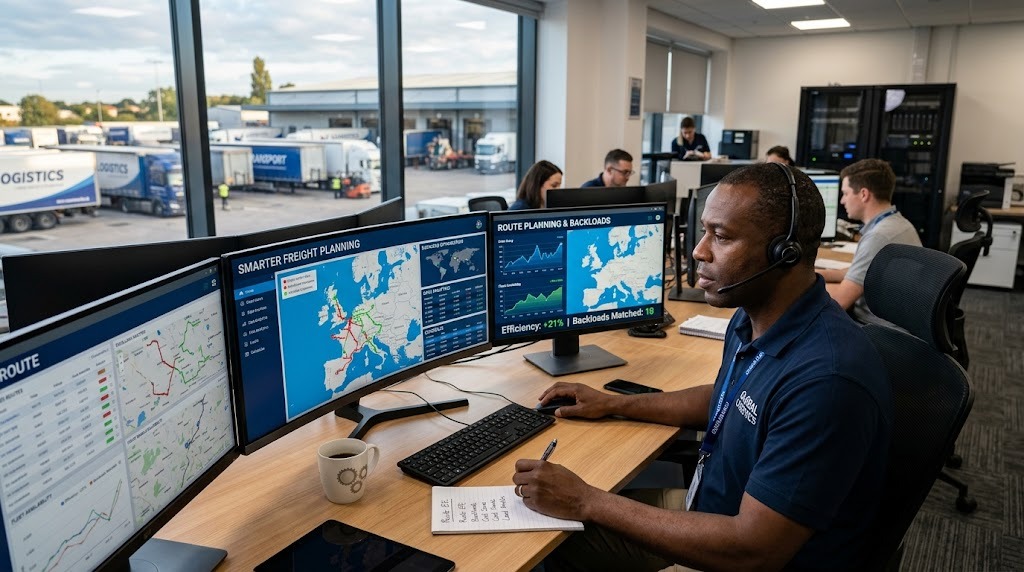
Empty return journeys quietly erode fleet profitability. backloads turn that unused capacity into revenue by matching a vehicle’s return route with compatible freight, helping carriers reduce dead mileage while giving shippers access to more competitive transport pricing.
Why Backloads Matter to Modern Supply Chains
A truck that delivers a shipment and returns empty still consumes fuel, driver hours, maintenance capacity, and road time. Backloads improve the economics of that journey by filling available space or arranging a return load after the primary delivery.
This approach can benefit several parties:
- Carriers: Increase vehicle utilisation and spread operating costs across more freight.
- Shippers: Find capacity on established routes without paying for a dedicated vehicle in every case.
- Customers: Support more efficient transport planning that can contribute to steadier delivery prices.
The best results come from accurate schedules, compatible freight dimensions, clear loading requirements, and reliable communication between every party.
Planning backloads Without Adding Complexity
Successful planning depends on visibility. Transport teams need to know when a vehicle becomes available, where it will be, how much capacity remains, and whether the return freight requires special handling. Digital freight-matching systems can bring those details together and highlight suitable opportunities quickly.
Before confirming a load, check:
- Pickup and delivery time windows
- Vehicle type, payload, and available floor space
- Freight dimensions, weight, and handling needs
- Insurance, compliance, and documentation requirements
- Detour distance compared with the expected return
A small detour can remove the financial benefit, while poor coordination can create missed slots or unnecessary waiting. Good planning therefore considers the whole route rather than treating a return shipment as an isolated booking.
How Can 3PL Logistics Support Smarter Freight Planning?
A capable 3pl logistics company can coordinate carrier, warehouse, shipment data, and customer update in one operate model. This is particularly useful for business that having variable freight volume or lacking internal resource for monitoring available capacity everyday.
A 3pl logistics company may help by:
- Consolidating compatible shipments
- Matching freight to suitable vehicles and routes
- Managing booking, tracking, and proof-of-delivery records
- Reviewing transport performance and recurring cost patterns
- Escalating delays or exceptions before they affect customers
Using specialist do not remove need for oversight. Shipper should define service level, report expectation, claim procedure, and communication responsibilities before starting work. Right partner should act as practical extension of logistics team, not simple as booking intermediary.
Commercial Benefit Beyond Lower Freight Rates
The value of backload is broader than cheap individual shipment. Better utilisation can helping carrier protect margin, while shipper may gain more flexible capacity during seasonal peak. Reducing empty kilometre can also lower fuel consumption and supporting measurable sustainability goal.
However, price should not being only selection criterion. Review transit reliability, handling quality, route coverage, technology, and the provider’s record with similar freight. A low quote that leads to missed deliveries can cost more than a well-managed solution.
How to Choose the Right Transport Approach
Backloads is strong option when deliver route is predictable, timing is flexible enough for coordination, and freight is compatible with available vehicle. Dedicated transport may being better for urgent, high value, temperature sensitive, or highly specialised consignment.
Ask prospective providers:
- How do you verify carrier availability and compliance?
- What happens when a return load is cancelled?
- Which tracking and reporting tools are included?
- How are delays, damage, and claims handled?
- Can you demonstrate savings without reducing service quality?
When these question have clear answer, freight plan become more transparent and easy for scaling. For many business, right combination of data, route discipline, and specialist support can turn unused vehicle capacity into dependably commercial advantage.
SEO meta description: Discover how backloads improve freight efficiency, cut empty kilometres, and help businesses choose smarter transport and 3pl logistics support for growth.