Disclaimer: This article is not intended to be a recommendation. The author is not responsible for any resulting actions of the company during your trading experience. The information provided in this article may not be accurate or up-to-date. Any trading or financial decision you make is your sole responsibility, and you must not rely on any information provided here. We do not provide any warranties regarding the information on this website and are not responsible for any losses or damages incurred as a result of trading or investing.
Culture and events brands lose weeks when a publisher shortlist is built from filter tiles instead of tone. A music or lifestyle product can clear Domain Rating thresholds and still land next to an off-brand story that makes the partnership team cringe. In our campaign week I kept the asset list small on purpose, then looked at whether a managed path like BestLinks AI can shortlist from real backlink neighborhoods rather than from a catalog sorted by vanity metrics.
The contradiction is simple. Self-serve marketplaces reward speed of browsing. Culture desks reward whether the host already talks to the same audience. If those two scorecards stay mixed, the campaign pays for links that look tidy in a sheet and read wrong on the page. The claim worth checking is operational: can a team mine hosts from your domain and competitors, then still leave the final pick with you?

Filter Tiles Hide Editorial Misfit Risk
DR, traffic, and price are useful after you know the host can carry your story. Used first, they hide the failure that matters to a culture brand: a placement that is indexable and still brand-damaging. A nightlife app next to a dry B2B roundup fails even if the metrics glow.
Partnerships leads usually discover that failure late. The invoice is paid. The URL is live. The social team refuses to share it and will not apologize for skipping the post. That sequence is expensive because the wrong selection method ran first. Across one partnerships review, a host that cleared the DR column and still felt wrong against the brand calendar was the clearest fail signal.
| Selection signal | What it measures | When it should decide |
| Audience tone and section fit | Whether the host already covers adjacent culture topics | Before price debate |
| Competitor graph presence | Whether rivals already earned endorsement there | During shortlist build |
| DR / traffic / fee | Relative cost and reach among accepted hosts | Only after tone passes |
Keep the table order strict for one pilot. If a host fails tone, do not “buy it cheap for metrics.” Cheap misfits still train the wrong association.
Tone Pass Before Any Price Row
Write three tone rules in the brief: topics the host must already cover, phrases that would feel alien on that site, and one example URL that looks like a natural neighbor. Reject any candidate that cannot clear those three lines, even if the fee looks attractive.
Old Marketplace Labor Burns Campaign Weeks
The old path is familiar. Someone opens a marketplace, sets filters, exports a pile of domains, and asks a writer for one adaptable draft. Publishing chase comes later. Indexing is nobody’s job. For a culture brand, that labor often lands on a partnerships person who also runs events and creator deals.
The real cost shows up as decision fatigue more than raw hours. After fifty similar rows, tone blur sets in and the sheet starts selecting itself. That is how off-brand hosts sneak through with a clean DR badge. I have watched teams lose an afternoon on rework when a creator manager sent back a live URL that would never clear editorial taste, even though the metrics tab still looked green.
One Draft For Many Hosts Fails Culture Desks
Culture readers notice recycled framing. A single spun article pushed across unrelated hosts reads like inventory, not coverage. If your product story needs a different angle on a music site than on a general tech blog, one master draft is already the wrong unit of work. Designers usually spot that mismatch faster than SEO spreadsheets do, because the page feels like an ad dropped into the wrong section.
When that happens, discard the host before you debate price. A placement you would never clear on a partnerships review board should never reach the invoice stage. The moment the social team says they cannot defend the URL in a weekly meeting, treat the row as rejected research, not as a bargain to salvage.
Graph Mining Changes The Shortlist Question
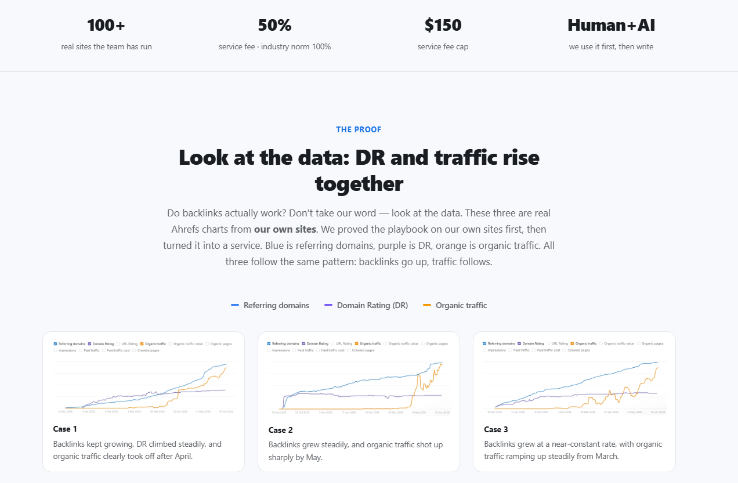
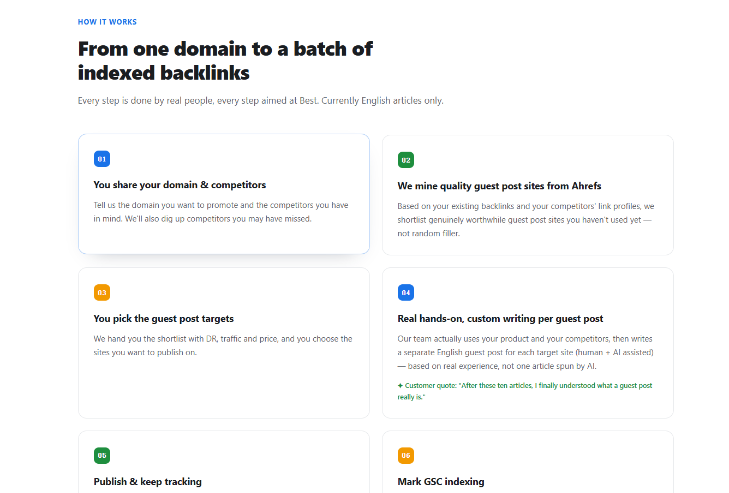
BestLinks AI is built as a fully managed guest-post path rather than a self-serve browsing dashboard. Intake starts when you email the domain you want to promote and the competitors that already win attention. The team also digs for rivals you may have missed, then mines candidate hosts from those backlink neighborhoods in Ahrefs.
You still choose. The shortlist arrives with DR, traffic, and price attached, but those numbers sit on top of a graph reason: why this host showed up in your competitive neighborhood. That order matters for culture brands. Metrics become a ranking tool among hosts that already cleared relevance, not a substitute for relevance.
A mid-campaign Guest Post buy should therefore answer a sharper question than “is DR high enough?” It should answer “which hosts already endorse products like ours, and which of those can we still afford?”
Keep Final Host Picks With The Brand Owner
Managed delivery does not remove taste. Someone who understands the brand voice must still reject a host that looks fine in Ahrefs and wrong beside your events calendar. Put that owner’s name in the dedicated channel so the shortlist cannot be approved by whoever is online first.
Product Use Before Writing Protects Tone
The writing step is where many guest posts become generic. BestLinks AI’s stated method is human-led with AI assistance after the team actually uses your product and looks at competitors. Each chosen host gets its own English article rather than one master piece adapted for every domain.
For a culture brand, that method is useful only if you feed concrete experience cues: what the product feels like at an event, which feature strangers notice first, which competitor claim you refuse to echo. Without those inputs, even a per-host workflow can drift into safe adjectives.
Publish stays sequential. One URL at a time makes it easier to stop a tone miss before it multiplies. Broken-link monitoring after publication protects the asset; you still mark indexing in Google Search Console so the campaign closeout is based on visible status, not invoice status.
Fee Math Matters After Host Fit Passes
Once hosts clear tone, cost becomes a schedule question. Placement fees are charged without the service markup model many buyers expect; the service fee is fifty percent of placement, with a fifteen-dollar minimum and a one-hundred-fifty-dollar cap. That structure is easier to explain to a finance partner when every line already survived the editorial gate.
Do not reverse the order. Hunting for the cheapest capped fee among random marketplace rows recreates the tile problem. Fit first, then fee math among accepted hosts, then sequential publish.
Close The Pilot On Brand-Safe Indexed URLs
Call the pilot complete only when you can show indexed URLs on hosts your partnerships lead would share without apology. Compare each live URL to the original tone rules and graph reason. Keep hosts that still feel native. Drop hosts that indexed but sit outside the culture neighborhood you named at intake. If a live page still forces the brand to apologize in Slack, scrap that host from the next shortlist even if Search Console already marked it.
BestLinks AI fits this job when you already have a product people pay for, can supply real competitors, and will own the final taste call. Skip a managed English-only path if your campaign needs another language or if the brand still cannot convert a cold visitor. Host fit will not invent demand; it only stops you from paying for the wrong applause.