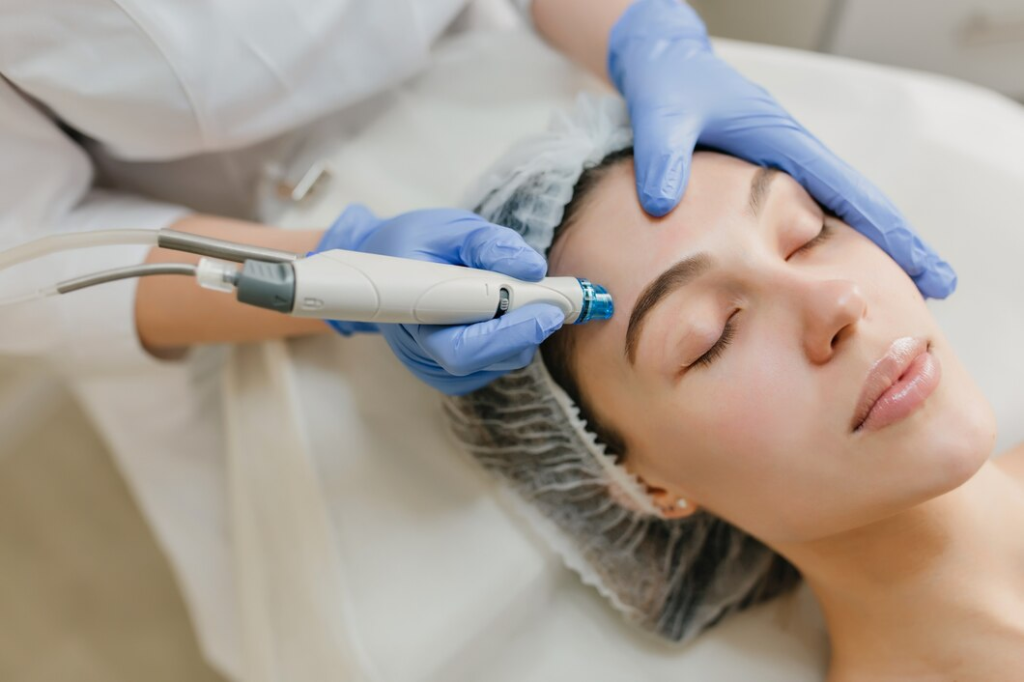
Selecting the right skincare treatment can feel overwhelming given the sheer volume of advanced clinical options available today. If you want to revitalise your complexion, reduce acne scarring, or address fine lines, booking a session of microneedling in Cambridge offers a highly effective, minimally invasive solution. However, local clinics also offer laser resurfacing, chemical peels, and minor surgical interventions. Choosing the best approach depends entirely on your specific skin concerns, budget, and tolerated recovery time. This guide compares these popular treatments to help you make an informed decision for your skin health journey, ensuring you select the procedure that aligns perfectly with your aesthetic goals.
The Science and Benefits of Microneedling
Microneedling, also known as collagen induction therapy, uses a device fitted with fine, sterile needles to create controlled micro-injuries on the skin surface. These tiny punctures trigger the body’s natural healing response, stimulating the rapid production of collagen and elastin. As the skin repairs itself, you will notice improvements in texture, firmness, and overall skin tone. It is particularly effective for reducing the appearance of acne scars, fine lines, and enlarged pores.
Why Local Patients Choose This Treatment
Many residents opt for microneedling in Cambridge because it delivers noticeable rejuvenation without the extensive downtime associated with deep chemical peels or ablative lasers. Most patients experience mild redness, similar to a moderate sunburn, for only twenty-four to forty-eight hours. Furthermore, because it does not use heat or harsh chemicals, it is exceptionally safe for almost all skin types and tones, reducing the risk of post-inflammatory hyperpigmentation. The treatment is highly customisable, allowing practitioners to adjust needle depth based on the specific area of the face or body being treated. This versatility makes it an excellent foundational treatment for anyone looking to maintain a youthful, healthy glow with minimal disruption to their daily routine.
Comparing Microneedling with Laser Resurfacing
While microneedling relies on mechanical stimulation to renew the skin, laser resurfacing uses concentrated beams of light energy. Lasers can target deeper layers of skin to treat severe wrinkles, deep scars, and pronounced sun damage. However, this increased intensity usually comes with a longer recovery period and a higher price tag.
Downtime and Recovery Differences
Laser treatments often require up to a week or more of healing, during which the skin may peel, swell, or blister. In contrast, microneedling allows you to return to your normal routine almost immediately. Laser therapy also carries a higher risk of pigmentary changes, particularly for individuals with darker skin tones, whereas microneedling is generally safer across the entire Fitzpatrick scale.
Targeted Concerns
If your primary goal is to erase deep-set wrinkles or stubborn age spots quickly, laser resurfacing might offer faster results. However, if you prefer a gradual, natural-looking improvement with minimal lifestyle disruption, microneedling remains the superior choice. Many Cambridge practitioners actually recommend alternating these treatments or starting with microneedling to build up skin resilience before progressing to more intense light-based therapies. This measured approach ensures optimal results while keeping skin barrier health as the top priority.
Chemical Peels vs. Microneedling
Chemical peels use acidic solutions to dissolve the outer layers of dead skin, revealing smoother, brighter skin underneath. They range from superficial lunchtime peels to deep phenol peels. When choosing between a peel and microneedling, the decision often hinges on whether your issues lie on the surface or deeper within the dermal layers.
Surface Texture vs. Structural Repair
Chemical peels excel at treating surface issues like active acne, superficial hyperpigmentation, and dullness by accelerating cellular turnover. Microneedling, on the other hand, works beneath the surface to rebuild the skin’s structural matrix. It is far more effective for treating structural issues like pitted acne scars and loss of skin elasticity.
Combining Treatments for Best Results
Many advanced skin clinics in Cambridgeshire suggest combining both modalities for comprehensive rejuvenation. For instance, you might address active breakouts and uneven tone with a series of gentle chemical peels, followed by microneedling sessions to target deeper scarring and boost collagen production. Because both treatments require a period of skin recovery, your practitioner will design a carefully spaced calendar to prevent over-exfoliation and maintain a healthy skin barrier. This tailored strategy ensures you achieve a radiant complexion safely and effectively.
Surgical and Minor Skin Procedures
Beyond cosmetic rejuvenation, many people seek treatments for specific structural lesions, such as moles, cysts, or skin tags. While microneedling improves overall skin texture, it cannot remove raised lesions. For these concerns, minor surgical procedures are necessary. Understanding the difference in recovery is crucial when scheduling these treatments alongside your regular skincare routine.
Understanding Minor Surgical Recovery
Surgical procedures require precise healing protocols to minimise scarring. For example, proper mole removal aftercare is essential to prevent infection and ensure the wound heals flat and clean. This aftercare typically involves keeping the wound clean, applying prescribed antibacterial ointments, and keeping the area covered for the first few days. You must also avoid direct sunlight and apply high-SPF sunscreen to the healing scar to prevent dark pigmentation.
Coordinating Your Treatment Plan
If you plan to undergo both cosmetic rejuvenation and minor surgery, timing is everything. You must complete your mole removal aftercare and allow the surgical site to heal completely before undergoing any microneedling in Cambridge near that specific area. A skilled practitioner will assess your skin to ensure that microneedling needles do not disrupt healing tissue or newly formed scars. By coordinating these treatments properly, you can safely achieve both a clear, lesion-free complexion and improved overall skin texture.
Conclusion
Choosing the right skin treatment in Cambridgeshire depends on your unique skin concerns, budget, and lifestyle. While microneedling in Cambridge offers an outstanding, low-downtime option for collagen stimulation and scar reduction, other treatments like lasers, chemical peels, and minor surgical procedures serve distinct and valuable purposes. If you are dealing with raised lesions, prioritising proper mole removal aftercare ensures seamless healing before you pursue further cosmetic therapies. Ultimately, consulting with a qualified aesthetic professional is the best way to design a safe, effective, and personalised treatment plan. By combining the right procedures, you can achieve the radiant, healthy, and confident skin you deserve.