Disclaimer: This article is not intended to be a recommendation. The author is not responsible for any resulting actions of the company during your trading experience. The information provided in this article may not be accurate or up-to-date. Any trading or financial decision you make is your sole responsibility, and you must not rely on any information provided here. We do not provide any warranties regarding the information on this website and are not responsible for any losses or damages incurred as a result of trading or investing.
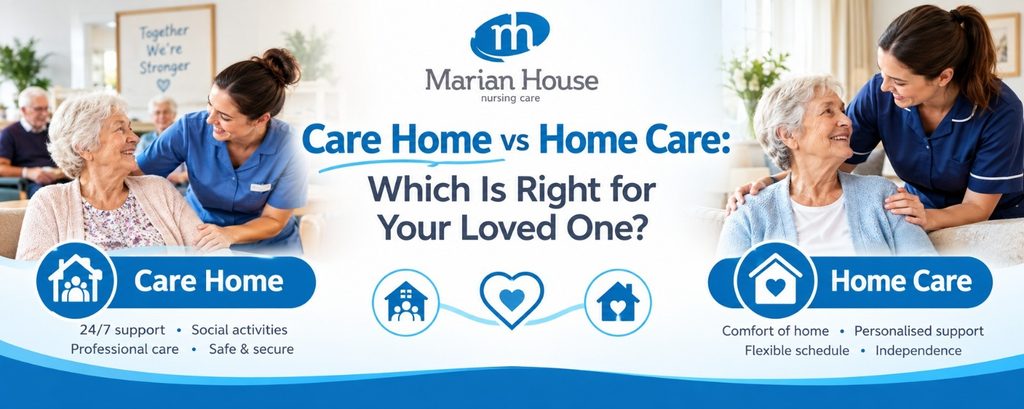
Making the right decision for older family members in care can be challenging for many families. Care homes and home care can provide much support, but in different ways. Depending on the health needs of your loved one, their lifestyle, personality and level of support needed, the right choice will be determined.
There are those who like to stay at home with visiting carers and others who would benefit from living in an environment where support is available on a 24-hour basis. It is important to understand the distinction between these choices so that families can make a choice that they feel is right.
What Is Home Care?
Home care enables the older person to live in their own home and receive professional care. Visits are organised according to the person’s needs and can be a few hours a week and up to a few visits throughout the day. Care at home can involve assistance with:
- Washing and dressing
- Preparing meals
- Medication reminders
- Shopping and errands
- Household tasks
- Companionship
Home care can be provided for those who are primarily self-sufficient but require some extra support from time to time.
But with home care, there are limitations. Families have to make other decisions if a person’s needs grow more complex or if they need more support or contact during the day and night.
What Does a Care Home Provide?
A care home provides a place to stay, daily care and support in one place. The residents reside in the home and staff are available to assist them with daily activities.
A care home in Sutton Coldfield could provide assistance to older adults needing support with personal care, getting around, cooking and feeding, socialising, and any other health needs they might have. Typical care home living will involve:
Life in a care home usually includes:
- Support with daily routines
- Meals and refreshments
- Social activities
- Help with personal care.
- Access to trained care staff
- Opportunities to spend time with other residents
When older people move to a care home, it may offer them comfort, a sense of community and company.
Comparing Care Home and Home Care
The best option depends on the level of support your loved one needs.
| Care Home | Home Care |
| Support is available within the home setting | Carers visit the person’s existing home |
| Suitable for people needing regular assistance | Often suitable for people needing occasional support |
| Offers opportunities for social activities | Allows the person to stay in familiar surroundings |
| Meals and care are provided in one place | Support is arranged around scheduled visits |
| Can support changing care needs | May become difficult if needs increase |
Both choices are not equally better for every individual. The key is: Is this kind of care appropriate to the person’s everyday needs?
When Might a Care Home Be the Better Choice?
Families often begin looking at care homes in the Sutton Coldfield area when everyday tasks become harder to manage safely at home.
Signs that additional support may be needed include:
- Frequent falls or mobility difficulties
- Increasing difficulty managing personal care
- Loneliness or reduced social contact
- Forgetting medication or appointments
- A family carer feeling overwhelmed
- Health needs requiring closer monitoring
A care home can provide a more consistent level of care and support and enable families to enjoy quality time together without having to take responsibility for the day-to-day care.
When Could Home Care Work Well?
Home care is an appropriate service for a person who prefers to stay at home and is not in need of constant care.
May be appropriate for older adults who:
- Still manage many daily tasks independently
- Have family nearby
- Need help at specific times of the day
- Prefer remaining in their own home
For instance, a person could need help preparing meals, going shopping or with personal hygiene and still be able to maintain their typical activities.
Considering Location and Family Visits
Location often plays an important role in care decisions. Families want to remain involved, visit regularly and maintain strong relationships.
Those comparing care homes in Sutton area often consider how easily relatives can visit and whether the location feels practical for everyone involved.
A nearby home can make regular visits easier, which helps older adults feel connected to the people they know and love.
Understanding Different Levels of Care
The needs of a person can change over time. A person who copes well with home visits today may require more help in the future. When looking at care homes in Sutton Coldfield, Birmingham, families will want to ask questions regarding:
- How care needs are reviewed
- Staff experience
- Daily activities
- Family communication
- Support for specific health conditions
You can get a better understanding of a home than you will get from reading reviews online by sitting down with staff members.
Making the Right Choice for Your Loved One
Choices among home care and care homes are personal choices. It should be based on the things that support your loved one to feel safe, comfortable and respected.
When looking for a nursing home in sutton coldfield parents or carers should find out what each home provides and plan for what this person needs and might need in the future. The most suitable option is that which enables older people to live out their lives in dignity, comfort and good health!