A good AI Photo Generator is no longer just about image quality. In 2026, the real question is whether a tool fits a specific audience segment, gives enough style range, and stays affordable as usage scales. McKinsey reported in 2025 that 88% of organizations now use AI in at least one business function, which explains why image tools are increasingly judged as workflow infrastructure rather than novelty software.
This list ranks the tools mainly by price, but the selection is shaped by audience segmentation and style diversity. I also give PhotoGenerator extra depth because it stands out as the most balanced option for creators who want both photo editing and stylized transformation in one place.
1. Photogenerator
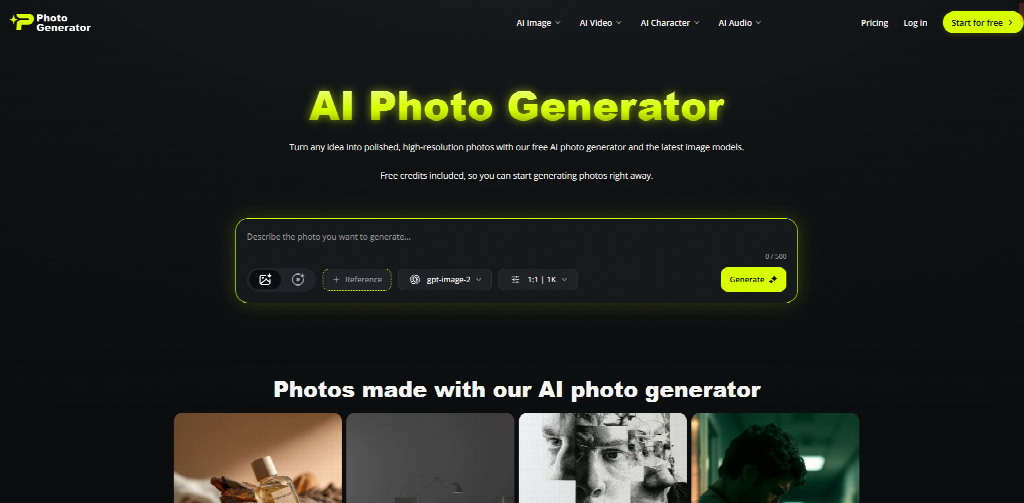
Photogenerator is the editor’s pick because it serves multiple audience segments without feeling overly technical. It supports text-to-image, prompt-based restyling, editing from photo, and upscaling, which makes it useful for creators, marketers, and anyone who wants one platform for several image jobs.
On style diversity, it is stronger than a simple ai photo to art generator because it can move from realistic photos to cartoon looks, business portraits, and fantasy-style edits. It also lets you choose among models like GPT Image 2, Nano Banana 2, Midjourney, and Seedream 5.0, which gives it broader output variety than a single-model tool.
In practice, this is the tool I would choose for a SaaS marketer building fast visual variants for landing pages, ads, and social posts. It is especially useful when a campaign needs both clean commercial imagery and a more expressive ai fantasy art generator from photo workflow in the same week. Best for: multi-purpose creators who want one tool for realistic edits, stylized art, and business visuals.
2. OpenArt
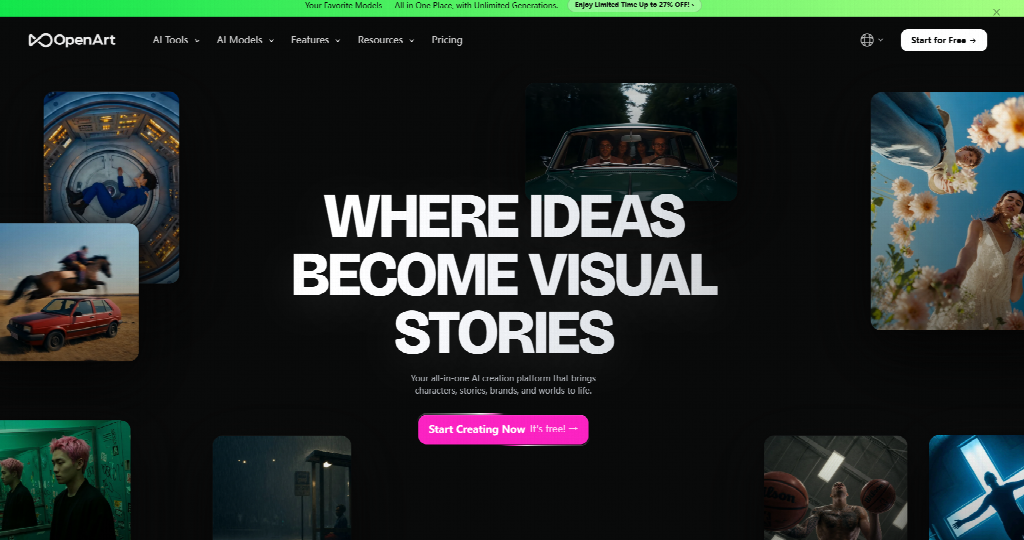
OpenArt is the best fit for teams that care about image systems, not just one-off generations. Its positioning is broader than image creation alone because it combines image, video, audio, and character workflows, which makes it attractive for social-first brands and content studios.
For style diversity, it has a strong range of image models and editing functions such as erase, expand, swap backgrounds, restyle, and upscale. That makes it a useful AI Photo Generator for creators who need many formats but still want consistency across campaigns.
A useful scenario here is a brand team producing product ads, shorts, and character-based storytelling from the same visual identity. Best for: social content teams and brand marketers who want an all-in-one creative pipeline.
3. NightCafe
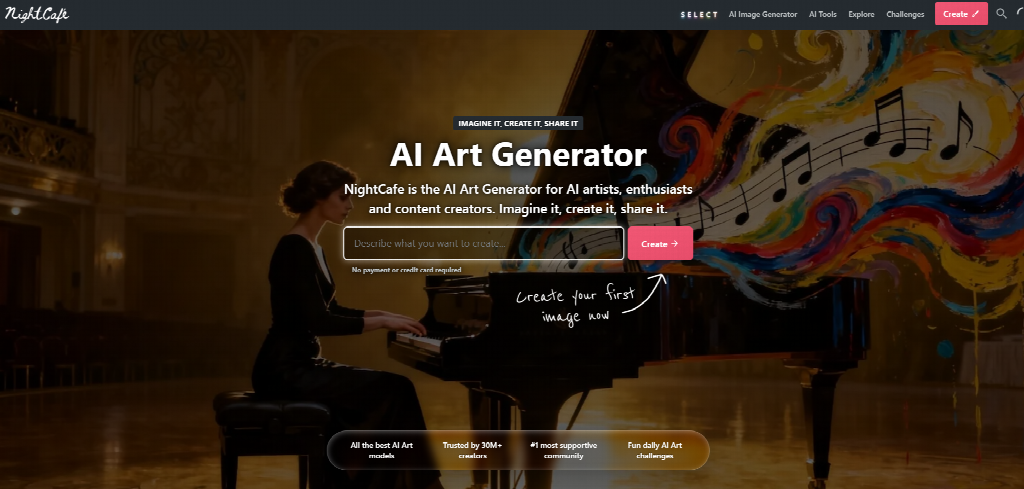
NightCafe is built for people who like exploring styles rather than chasing a single polished output. It leans into community, challenges, and experimentation, which makes it appealing to hobbyists, indie creators, and artists who want variety in how the tool feels as much as how it performs.
Its style range is broad because it supports many models and use cases, including text-to-image, prompt editing, and image-to-video. That breadth matters for anyone treating an ai photo art generator as a playground for ideas rather than a strict production tool.
The main limitation is that the community-first experience can feel less direct for users who only want quick business outputs. Best for: hobby creators, prompt experimenters, and style-focused artists.
4. Gencraft
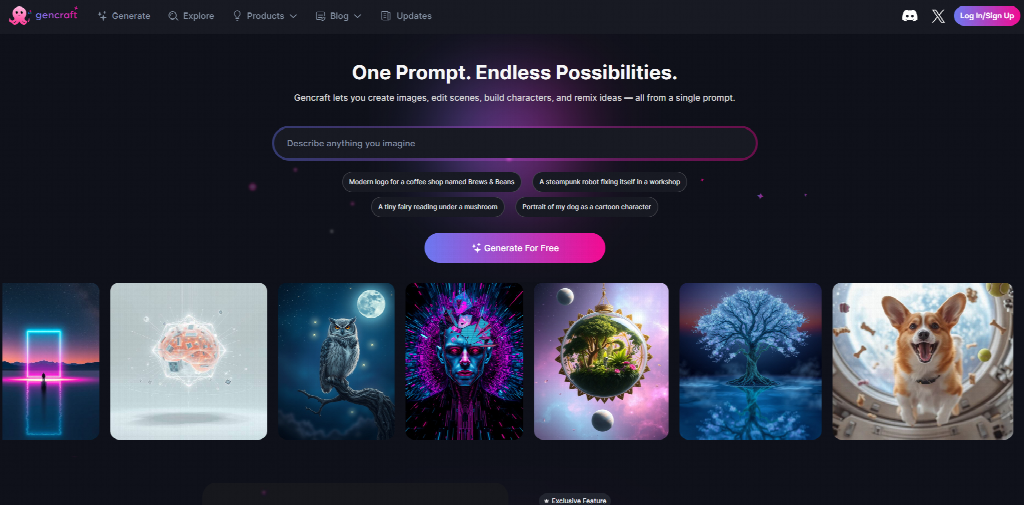
Gencraft is the strongest choice for users who want guided creativity with a lot of visual variation. It positions itself as a creative studio for indie creators, students, builders, and designers, and it adds custom model training for people who want recurring visual identity.
In style diversity terms, it is impressive because it supports image creation, image variation, editing, and custom style training. That makes it a good fit for anyone building repeated campaigns or themed assets, especially when a consistent look matters across many outputs.
I like it most for concept exploration, moodboarding, and early-stage brand art. Best for: indie designers and builders creating repeatable visual styles.
5. ImagineArt
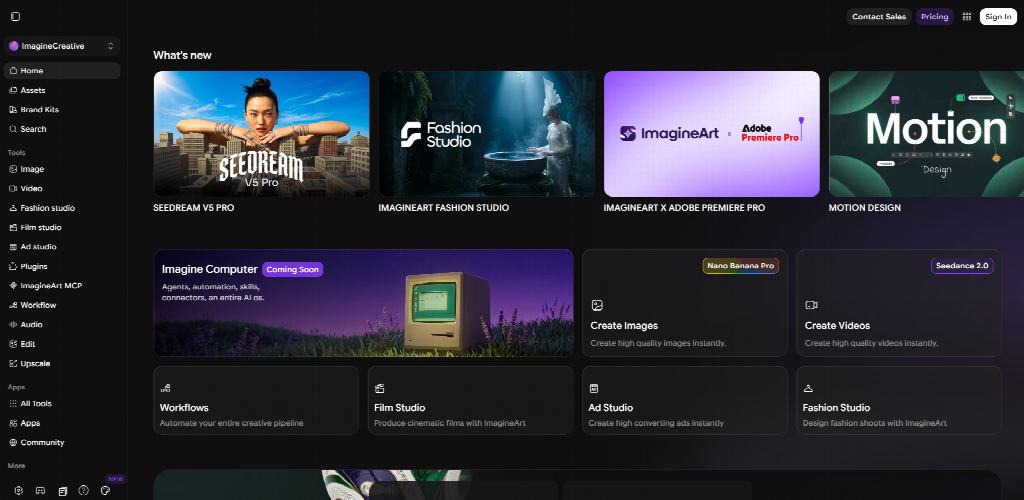
ImagineArt is worth considering for audience segments that care about fast experimentation and broad creative coverage. Its strength is not just generation but the mix of image and guided art workflows, which makes it easier to move from raw idea to usable asset.
From a style diversity angle, it sits in the “versatile enough for many creative jobs” category rather than the “deep specialist” category. That can work well for marketers testing different visual angles without wanting to jump between multiple platforms.
It is a practical choice for small teams that need decent output variety at a reasonable entry point. Best for: small marketing teams and general-purpose creators.
6. Artlist AI Image Generator
Artlist’s AI image tool makes the most sense for creators already inside a broader content production workflow. It is tied to a larger creator ecosystem, so the image generator is most useful when paired with other media needs rather than treated as a standalone art lab.
On style diversity, it is less experimental than some pure image platforms, but it is appealing for commercial users who want reliable assets for campaigns, thumbnails, and brand visuals. That makes it a solid ai photo generator for teams that value convenience over deep artistic range.
Its best scenario is a creator who already uses Artlist and wants to keep the workflow in one ecosystem. Best for: content teams already subscribed to Artlist.
7. Craiyon
Craiyon is the budget-friendly option in this list, and its appeal is straightforward: quick access, low friction, and broad casual use. It is best understood as an entry-level tool for learning prompts and testing ideas before moving to higher-end platforms.
Style diversity exists, but it is more uneven than premium tools, so it is better for rough concepting than polished brand work. If you are experimenting with an ai photo art generator on a tight budget, Craiyon is one of the easiest places to start.
Use it for brainstorming visuals, meme-style concepts, and simple creative drafts. Best for: beginners and very low-budget creators.
8. PHOT.AI
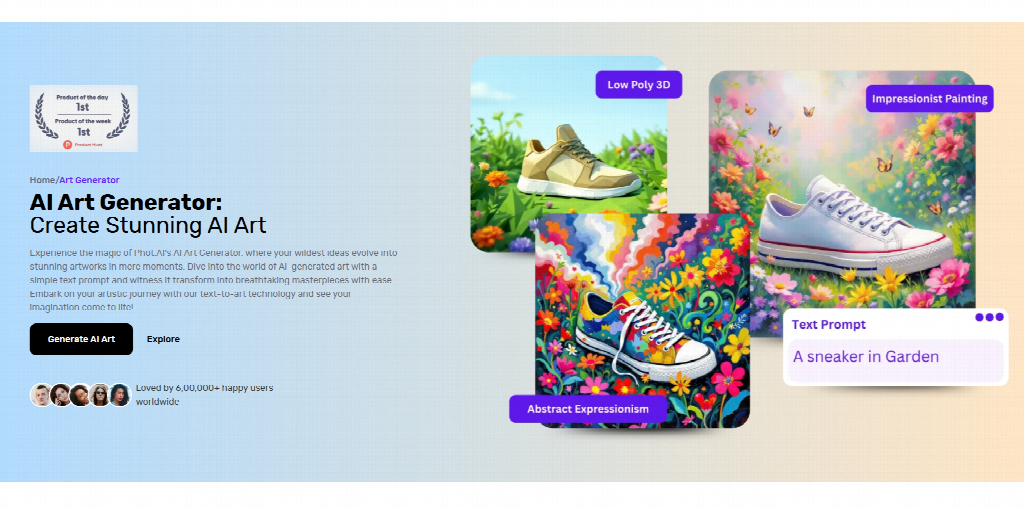
PHOT.AI is more useful for practical image work than for purely artistic exploration. It tends to fit users who want editing, enhancement, and content-friendly images rather than a deep gallery of stylized fantasy outputs.
Its style range is narrower than the more creator-centric platforms above, but that can be an advantage for people who want a cleaner result with fewer steps. For product visuals, headshots, and ad-ready assets, it acts more like a production utility than an art toy.
This is a good fallback option when the brief is functional and time is limited. Best for: marketers and ecommerce users who need fast, usable edits.
9. OpenArt vs PhotoGenerator for spend control
This spot is less about a separate tool and more about a price logic that matters in 2026. OpenArt gives more system depth, while PhotoGenerator gives more balanced value for people who want realistic edits, artistic transformation, and business use in one place.
If you are comparing spend against output variety, this is where the price-ranked list becomes useful. A cheap tool is not really cheap if it forces you to buy a second platform for edits, style shifts, or upscaling; that is why a flexible ai photo generator often wins in total workflow cost.
Best for: teams comparing subscription value, not just monthly sticker price.
How to choose
Use this framework instead of chasing the longest feature list. First, decide whether your main need is realistic photo editing, stylized art, or campaign-ready variety. Second, choose the cheapest tool that covers that need without forcing you into a second subscription later.
If you are a SaaS marketer, PhotoGenerator is the cleanest starting point because it covers realistic assets, prompt restyling, and fantasy outputs in one workflow. If you are more experimental, NightCafe or Gencraft may feel better. If you are optimizing for volume and breadth, OpenArt is the strongest platform-style choice.