Disclaimer: This article is not intended to be a recommendation. The author is not responsible for any resulting actions of the company during your trading experience. The information provided in this article may not be accurate or up-to-date. Any trading or financial decision you make is your sole responsibility, and you must not rely on any information provided here. We do not provide any warranties regarding the information on this website and are not responsible for any losses or damages incurred as a result of trading or investing.
Selling CBD in the UK is legal. Advertising it on Instagram is a different problem. Meta restricts paid CBD promotion across its platforms, and UK regulators at the ASA, FSA and MHRA enforce their own separate rules on top of that. Get either side wrong and you risk pulled ads, banned accounts or formal investigations.
But CBD brands do grow on Instagram. They do it by working within the restrictions, not around them. Here are seven steps that separate the brands gaining traction from the ones getting flagged.
- Confirm your product is legal to sell
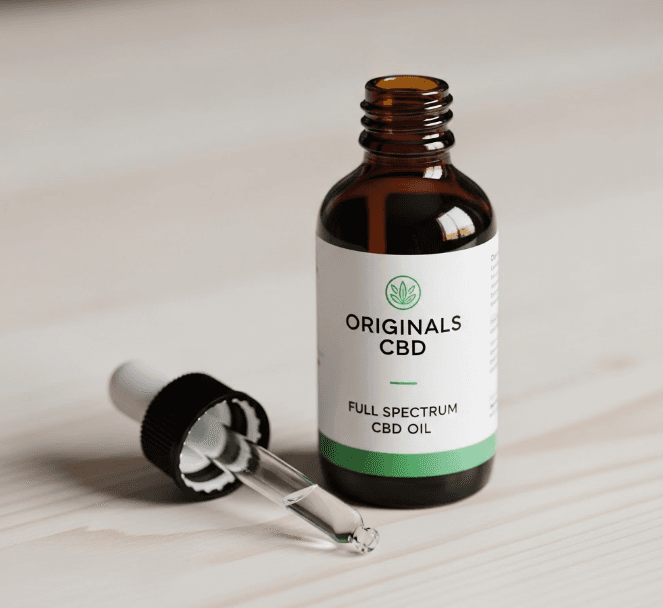
This comes before any marketing activity. Your CBD product must contain less than 1mg of THC per container. If you sell an oral product like full spectrum CBD oil, gummies or capsules, the FSA classifies it as a Novel Food. It needs to appear on the FSA’s validated applications list to remain on the market. Topical products like creams and balms need a Cosmetic Product Safety Report instead.
If you make any claim that your product treats or prevents a health condition, the MHRA will reclassify it as a medicine. That requires a licence most CBD companies do not hold. The FSA publishes its list online. Look your product up. If it is not there, advertising is the least of your problems.
- Learn what Meta allows and what it blocks
Meta groups its CBD rules under a policy called “CBD and Related Products.” The short version: paid ads for ingestible CBD are banned everywhere. Oils, tinctures, gummies, capsules. All of them. If an ad slips through the review system, Meta can pull it later. Do it enough times and they will shut your ad account down entirely.
Topical CBD products can qualify for paid ads in the US, but only with LegitScript certification and written permission from Meta. That route does not exist for UK advertisers right now.
What you can do freely is post organic educational content about CBD. You can share public service announcements and advocacy. As long as you are not selling directly or making health claims, Meta does not restrict this type of content.
- Drop the word “CBD” from any paid content
Instagram runs automated scans on ad copy, captions, images and landing pages. The word “CBD” triggers the filter. Once flagged, your ad gets rejected or your account gets reviewed.
The brands running paid promotions on Instagram right now avoid the term entirely. They use phrases like “hemp extract,” “plant-based wellness” or “natural botanical.” Their ads link to blog posts, newsletter signups or educational pages. Not to product pages. Not to a shop.
This is not a guaranteed safe path. Instagram can still flag your account. But it is the method trusted cbd flower shops rely on to maintain any paid visibility on the platform at all.
- Build organic content that earns attention without selling
With paid ads mostly off the table, your organic feed becomes your primary marketing channel. The good news is that organic content performs well in the CBD space. People are curious about these products, and there is less paid competition crowding the feed.
The content that works tends to fall into a few categories. Lifestyle posts showing your products as part of a daily routine. Behind-the-scenes looks at how you manufacture and test. Educational content explaining the differences between product types or what third-party lab testing means. The content that fails or gets suppressed includes product shots with “buy now” language, before-and-after photos and anything that reads like a storefront. Instagram’s algorithm deprioritises posts that reference cannabis in captions or tags, so even organic content needs careful wording. Favour Stories and Reels over static image posts because the algorithm gives them wider reach. Think of your Instagram as a wellness publication, not a product catalogue.
- Use influencer partnerships, but control the output
Influencer marketing is the single most effective growth channel for CBD brands on Instagram right now. The reason is simple: influencer posts are not routed through the same automated ad review system that paid promotions go through. An influencer talking about your product in a Story reaches their audience without Meta’s CBD filters getting involved.
Micro-influencers with 5,000 to 50,000 followers in fitness, self-care, mental health or natural wellness tend to deliver the best results. Their audiences are more engaged, they cost less than large accounts and they are more likely to use the product themselves.
The part most brands get wrong is oversight. Under UK rules, any influencer post that involves payment or gifted product is classified as an ad. The ASA regulates it. That means the influencer must disclose the partnership clearly. They cannot make health claims about your product. The content must be appropriate for all age groups, including people under 18.
The ASA actively investigated influencer CBD posts throughout 2024 and 2025, naming both brands and influencers in public rulings. Do not let influencers write their own copy. Pre-approve every post. Send a brief that spells out exactly what they can and cannot say.
- Make zero health claims, including implied ones
This is the area where UK regulations are strictest and where brands get caught most often. The ASA and MHRA only permit health claims for CBD products if those claims are authorised on the GB Nutrition and Health Claims Register. Right now, no authorised health claims for CBD exist on that register.
That means you cannot say your product helps with sleep. You cannot say it reduces anxiety, relieves pain or supports recovery. You also cannot imply any of these things. The ASA ruled against a CBD brand that posted an image of someone sleeping next to their product. That counted as an implied health claim for an unlicensed product.
What you can say is factual. Describe your ingredients. Explain your extraction method. Talk about flavour and texture. Share your third-party lab results. If your product contains vitamins or minerals that do carry authorised claims, like vitamin D or zinc, you can reference those. But you cannot attribute the benefit to CBD itself. Stick to what the product is and how it is made. Leave the health conversation out entirely.
- Direct traffic to a landing page, not a checkout
Instagram Shopping does not allow CBD listings. You cannot tag products in posts or set up a shop on your profile. Sending people straight to a purchase page from your bio link can also trigger moderation.
Instead, link to what is often called a soft landing page. A blog post. A free guide. A quiz that helps people find the right product for their situation. A newsletter signup. The goal is to move people onto your email list, where the restrictions on what you can say and sell are far lighter than on Instagram.
This has a practical side benefit. If Instagram suspends or shadowbans your account, and this happens to CBD brands more than you would expect, your email list gives you a direct line to your audience that no platform controls.
Build the list from day one. It is the most reliable asset you own in a space where your social media presence can disappear overnight.
CBD brands that grow on Instagram in the UK share a few traits. They treat compliance as a constraint to work within, not a wall to work around. They invest in organic content and influencer relationships instead of chasing paid ad workarounds. They move the sales conversation off Instagram and onto channels they control.
Keep an eye on Meta’s policies. They update without warning. Watch ASA rulings in your category so you know where the enforcement focus is shifting. And run your content past someone familiar with UK advertising law before you publish it. The cost of a compliance review is small compared to the cost of a banned account or a public ruling with your name on it.