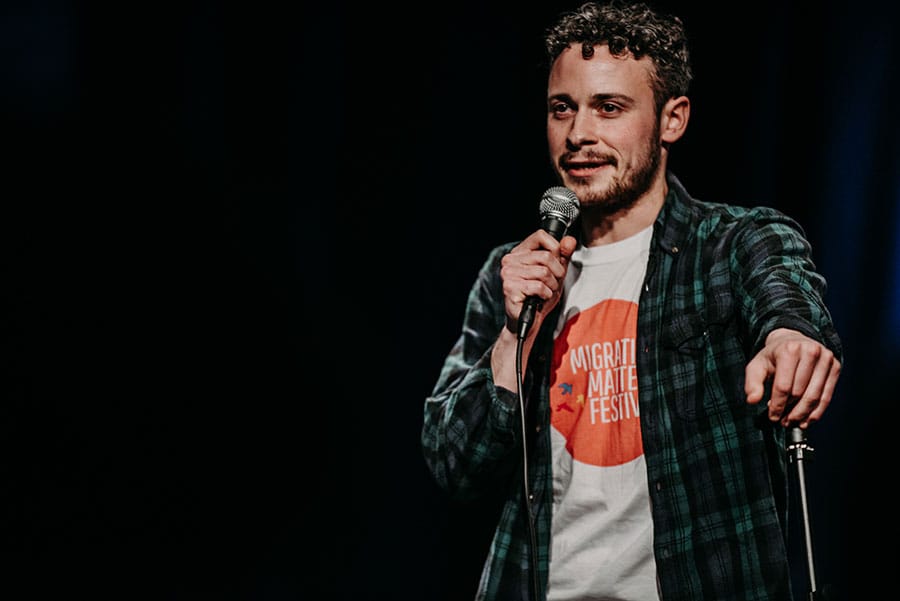
A decade on from its humble beginnings in an old Woolworths, Migration Matters Festival is now the UK’s largest Refugee Week celebration. With 60+ events across 25 venues, 2025 marks a major milestone for the festival and its founder, Sam Holland. We sat down with Sam to reflect on ten years of championing culture, community and sanctuary – and to find out why this year’s edition might be its most powerful yet.
This is a milestone year for the Migration Matters Festival. Looking back, what do you feel have been the most significant achievements over the past ten years?
The festival has grown far bigger than I could have envisioned and I’m really proud of that. It started with just 16 events in Theatre Deli, back when it was at Woolworths on The Moor, and is 60+ events across 25 venues in 2025. We’ve hosted huge names like Lemn Sissay, Seun Kuti, Maya Youssef, Sauti Sol, Lowkey, Ify Adenuga, Linton Kwesi Johnson plus the wonderful souls Benjamin Zephaniah and Amadou Bakayogo (of Amadou and Mariam) who’ve both sadly passed recently. But one of the most significant things is that we’ve hosted these names alongside Sheffield locals, providing equal platforms to all. We’ve made sure newly arrived people have a space where they feel recognised, not for being a refugee or asylum seeker, but as an artist and human being. That is really important. Perhaps the biggest achievement is the fact we’re still here. We’re still countering the dangerous rhetoric of successive governments trying to divide our communities – instead bringing them together, to celebrate each other’s cultures and identities.
The festival has hosted over 1,000 artists from more than 160 countries. What does that breadth of representation mean to you – and to Sheffield as a host city?
We couldn’t quite believe it when we realised artists from three quarters of the world had starred in the festival. To us it’s a tangible representation of our commitment to our global community. For artists from underrepresented regions, it’s their chance to have an international stage. For Sheffield, we hope it creates an environment for rich cross-culture experiences, inspires greater empathy and raises the city’s profile.
Given the increasing hostility towards migrants and asylum seekers in national rhetoric and policy, how important is it that Migration Matters and its message continues to thrive in 2025 and beyond?
Each year we are reminded of why the festival is needed. Take last year’s fascist riots, the government’s refusal to support refugees from Afghanistan, the Windrush scandal and Brexit. For so many, the festival has been an emblem of hope, of a place that does value and recognise them as part of a multicultural Britain. In 2025, we’re seeing some of the biggest humanitarian crises unfold before our eyes – notably Palestine, Sudan and Congo – and still the west does nothing. However, we are seeing the power that activism in the arts can yield. It’s essential artists and arts organisations protest this government’s complicity in enabling those crises and turning away from those fleeing them.
This year’s festival is dedicated to the resilience of people seeking sanctuary. Can you speak more about how that theme will be woven through the programme?
Many of this country’s communities have had to show enormous resilience, particularly the trans community and those seeking sanctuary or with migrant heritage. Keir Starmer’s deplorable ‘Island of Dogs’ speech recently has made these communities even more vulnerable. This programme has events for and by those communities, and we’re platforming some of our long-standing artists like Side by Side and Open Kitchen Social Club, who do so much for those in need.
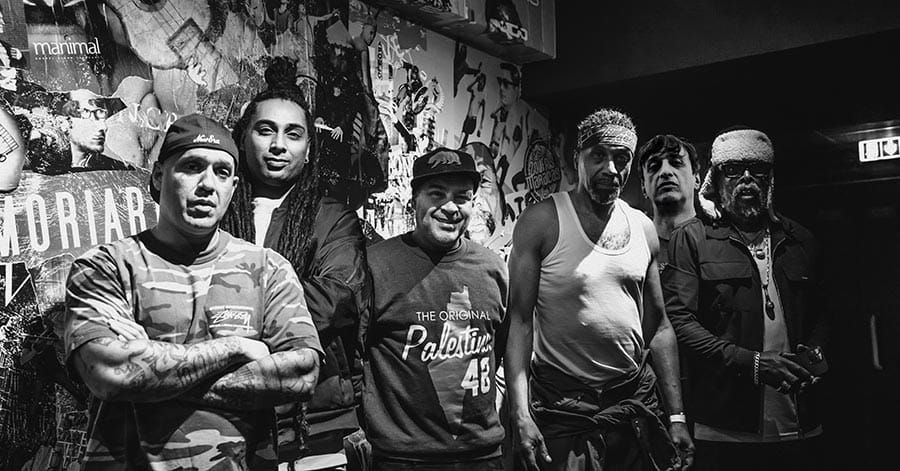
The lineup for 2025 is especially impressive, with acts like Nadine Shah, Asian Dub Foundation and Fatiha El-Ghorri hitting the stage. What performances or events are you most looking forward to personally?
That’s always impossible to answer! We’re thrilled with these headliners, particularly with it being a milestone year for Asian Dub Foundation and Fatiha becoming a household name through Taskmaster. Every year we also recruit two guest curators who bring amazing artists that aren’t on our radar to the table. This year Rumbi Tauro and Weronika Dwornik have put together programmes featuring everything from gigs to gardening workshops with Bloom Sheffield, community walks and debates. Separately there is also going to be a brilliant exhibition celebrating the work of Sheffield One World Choir, who have been part of the festival for six years.
What impact have you seen the festival have over the years, both on a micro and more macro level?
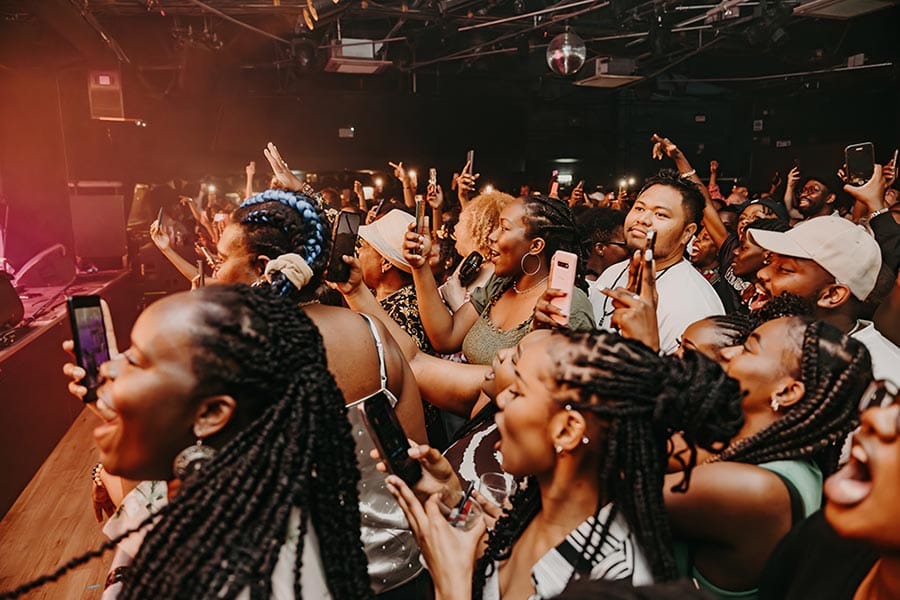
We are so lucky to have the most wonderful and welcoming volunteers, who are representative of the global community. Some arrived here recently; some have been here for decades, but it’s been a joy to watch this volunteering family grow and friendships form. Particularly for anyone seeking sanctuary and who is in need of work experience to build up some credentials, these opportunities are valuable. We’ve heard how this volunteering work has supported people’s asylum claims or helped them find jobs when they’ve successfully got asylum status. On a wider level, the festival’s reach and attendance shows the powers that be in Sheffield and beyond that we are proud to be a City of Sanctuary. I think it’s also been a contributing factor for people of diverse heritage to settle in Sheffield.
You’ve faced real challenges, from Covid to reduced arts funding. How have those obstacles shaped the way you deliver the festival now?
Like so many artists, volunteers and the often-marginalised communities we serve, we’ve had to be hugely resilient. With Covid we had to completely adapt our practices to do what we do without compromising health. Funding has been an enormous challenge and while we’ve strived to find funding from many places, including branding deals and sponsorships, I think we’re often seen as too political or too big a risk for many. We’ve seen increased support from Sheffield Council the past few years but I think if the festival is going to survive we’ll need more support from the city’s biggest powers. Many people talk a big talk when it comes to celebrating our status as a City of Sanctuary, but they’re not willing to commit funding. As an organisation that isn’t core funded, we struggle to get those funds year to year and have to rely on so much voluntary fundraising. But without substantial support from those with the resources we’ll have to review how possible it is to keep the festival running annually.

Can you tell us more about the ethical ticketing system and why accessibility remains a core part of your approach?
One of the most essential aspects of the festival is that we celebrate the coming together of people and we believe finances should not restrict that. We were formerly a pay-what-you-decide festival; however, we’ve introduced a new ticketing system that allows us to support the most financially vulnerable while lessening our financial risk. Our good friends at Andro & Eve, an essential organisation for events celebrating the LGBTQI+ community in Sheffield for years, pioneered an ethical ticketing system we admired. In addition to general sale they’d included ‘low income’ and ‘unwaged’ tickets which are widely appreciated by anyone in a difficult position. Given the cost-of-living crisis and how expensive live events are, we feel this has been a game-changer, giving so many people an opportunity to join us. We also offer free tickets and festival passes, without need of proof, to anyone who is unable to afford them. We’ve continued relationships with refugee and asylum support organisations to ensure the most vulnerable groups can access events. People can also just turn up on the door. Unless an event is sold out, they will always be welcome.
The festival’s reach and attendance shows the powers that be in Sheffield and beyond that we are proud to be a City of Sanctuary.
How do you balance fun and celebration with the deeper, often difficult themes around migration and displacement?
It’s so important that those with lived experience are not always expected to talk or perform work about the challenges posed by the labels this country imposes on them. They are exhausted from sharing painful stories, so the festival provides spaces that can have difficult conversations but also where people can just dance, break bread and laugh together. We absolutely need to have challenging conversations around migration and displacement, but we also need to focus on joy, celebration and companionship. This year we have some hard-hitting documentaries coming to The Showroom like This Jungo Life exploring Abubakr’s experiences in Sudan. There’s also refugee Hamzeh Al Hussien’s mindblowing theatre piece Penguin. But then everyone who has been to the festival raves about our opening and closing parties – which are going to be next-level this year – as well as our high-energy gigs. It’s tricky but we do find the balance.
How do you see the festival evolving from here?
We are trying to find ways of expanding the festival and perhaps running events across South Yorkshire or having pop-up events. However, the priority now is survival. We’ve had some big funding knockbacks to the charity that runs the festival, Arts on the Run, so we will need to find creative ways of continuing the work and building on this amazing 10-year legacy.
Finally, if someone in Sheffield has never been to Migration Matters before – why should 2025 be the year they come along?
So many reasons. It’s our tenth year so we are going all out. We’ve got some insanely brilliant artists, whether you like food, art, family events or dancing all night. And it’s always – truly – such a life-affirming experience, even in the darkest of times.
Migration Matters Festival runs from 20 to 28 June across Sheffield. Check out the full programme at migrationmattersfestival.co.uk, and follow @migmatfest on socials to stay up to date.