Proudly working-class, self-taught and Sheff through and through, Proper Skint discusses turning her lens on the city’s estates, pubs and people – and challenging who gets to tell those stories.
First of all, for those who don’t know, can you introduce yourself to the Exposed readership?
I’m a working-class, self-taught photographer from Sheffield who goes by the name Proper Skint. I enjoy documenting anything and everything working class, be it the vices of the weekend’s antics or the working-class communities and everything that encapsulates them.
What first inspired you to pick up a camera?
The lack of working-class documentation in and around Sheffield. I kept thinking, why is nobody doing this? We should be proud to show off our city, warts and all. You’ve got established names in the northeast and Lancashire, but why not here? For me, that has to change.
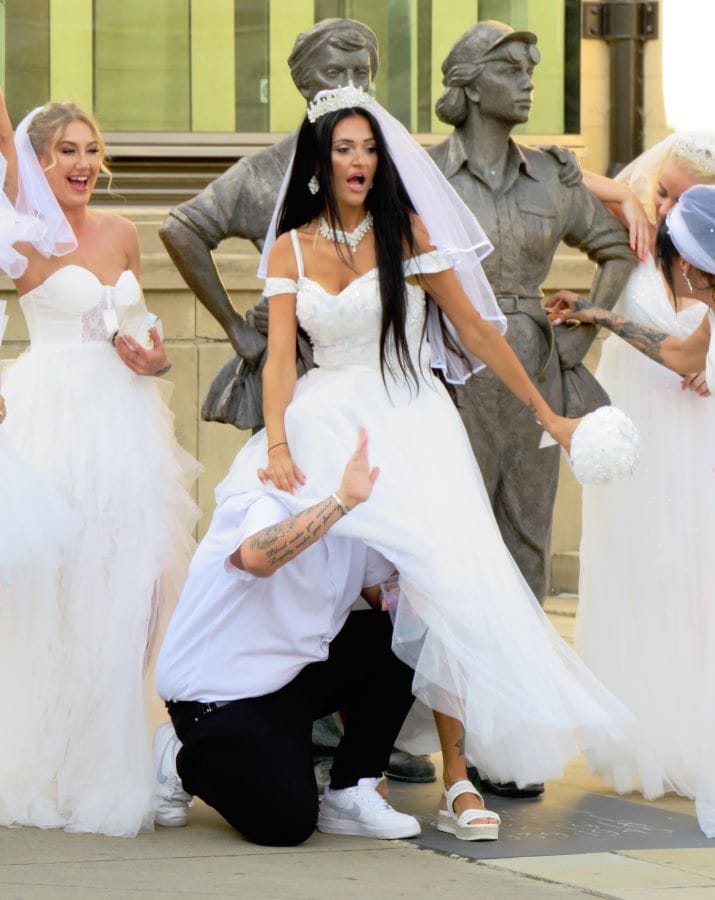
What’s changed since – and equally, what hasn’t changed in your approach?
What hasn’t changed is my subject matter and keeping the authenticity of it. What has changed is acknowledging that I have to build on my confidence when it comes to approaching someone for a shot, which I know will come over time.
Where are your favourite spots or areas in Sheffield and South Yorkshire to shoot?
Working-class areas, town, football stadiums, pubs. No one day is ever the same, and that’s what I enjoy when it comes to these subjects – they’re so diverse in terms of mood and timing.
Are there particular neighbourhoods or communities you feel especially connected to?
There are a few places. Growing up, I moved a few times, but a good chunk of my youth was spent in the Woodthorpe area. However, when you’ve grown up on a council estate, they all hold a level of familiarity.
On that note, The Estate is a recent set of pictures you’ve taken – tell us about what drew you to that space?
The tower blocks still dominate a fair bit of the Sheffield skyline, alongside the maisonettes, and that in itself is iconic. I was also drawn to it because it still has that nostalgia of a working-class community – the feeling of land that time forgot. These areas shouldn’t be forgotten as they hold so many memories and they’re the places that helped shape us.

It’s International Women’s Day this month. What challenges does being a street photographer present that aren’t typically faced by men?
Photography is a very male-dominated area, so women are already on the back foot and can be mocked, harassed, racially abused, or seen as weaker or less than. However, that narrative is being challenged and I know for sure what I bring to the table. That in itself is empowering and makes me want to break down even more barriers.
Which female creatives have inspired or influenced what you do?
The main female photographers who have inspired me, and who I can relate to on a working-class level, are Shirley Baker, Tish Murtha and Anne Worthington, just to name a few. They all show really poignant moments in time in terms of change, but also the struggles the working class faced, which I feel is still just as relevant even now, all these years later. I also admire how they captured resilience against adversity, while making the most out of what little they had.
We should be proud to show off our city, warts and all.
What advice would you personally give to aspiring women photographers?
If you know your worth and have the determination to focus on what you want to do, then keep pushing boundaries. If you enjoy what you do, nothing can stop you. Create a good network and keep persevering. Always remember why you started in the first place, don’t put too much pressure on yourself and it should all come naturally. Do what makes you feel fulfilled.
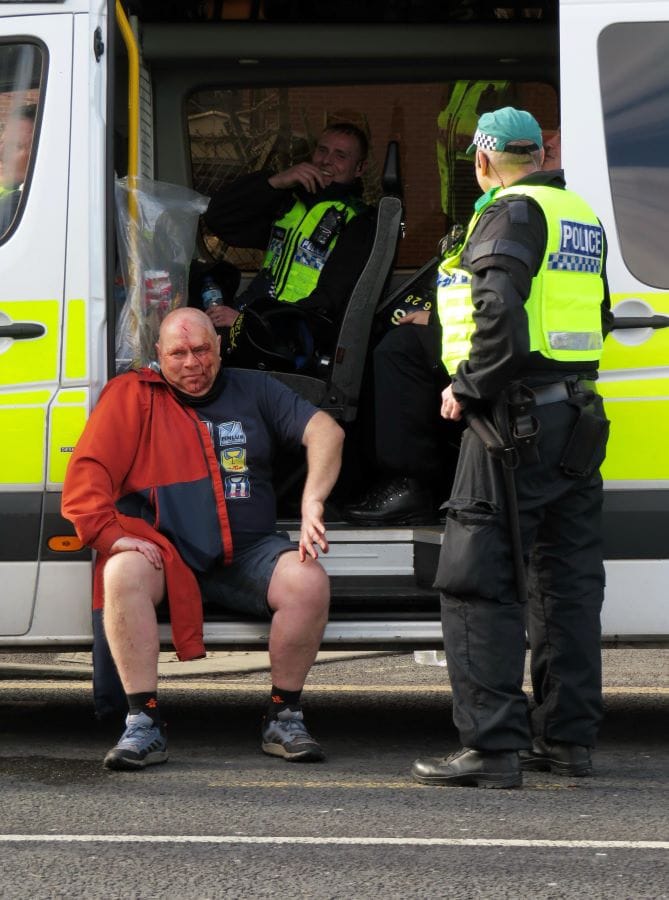
Are there any projects or themes you’re keen to explore next?
I don’t want to give too much away on that one as it’s all about the element of surprise and I like to keep people guessing – otherwise where’s the fun in that? All I will say is that I’m exploring a few different topics, one being personality and a carefree attitude.
How can people in Sheffield support your work and that of other creatives in the city?
The best way people can support my work, and that of other creatives, is by word of mouth or something as simple as a reshare on socials such as Instagram, as it doesn’t cost a single penny to promote. The other is a direct message to physically purchase a piece of work, and by supporting independent shops that stock creatives’ work, like Gravel Pit at Leah’s Yard.