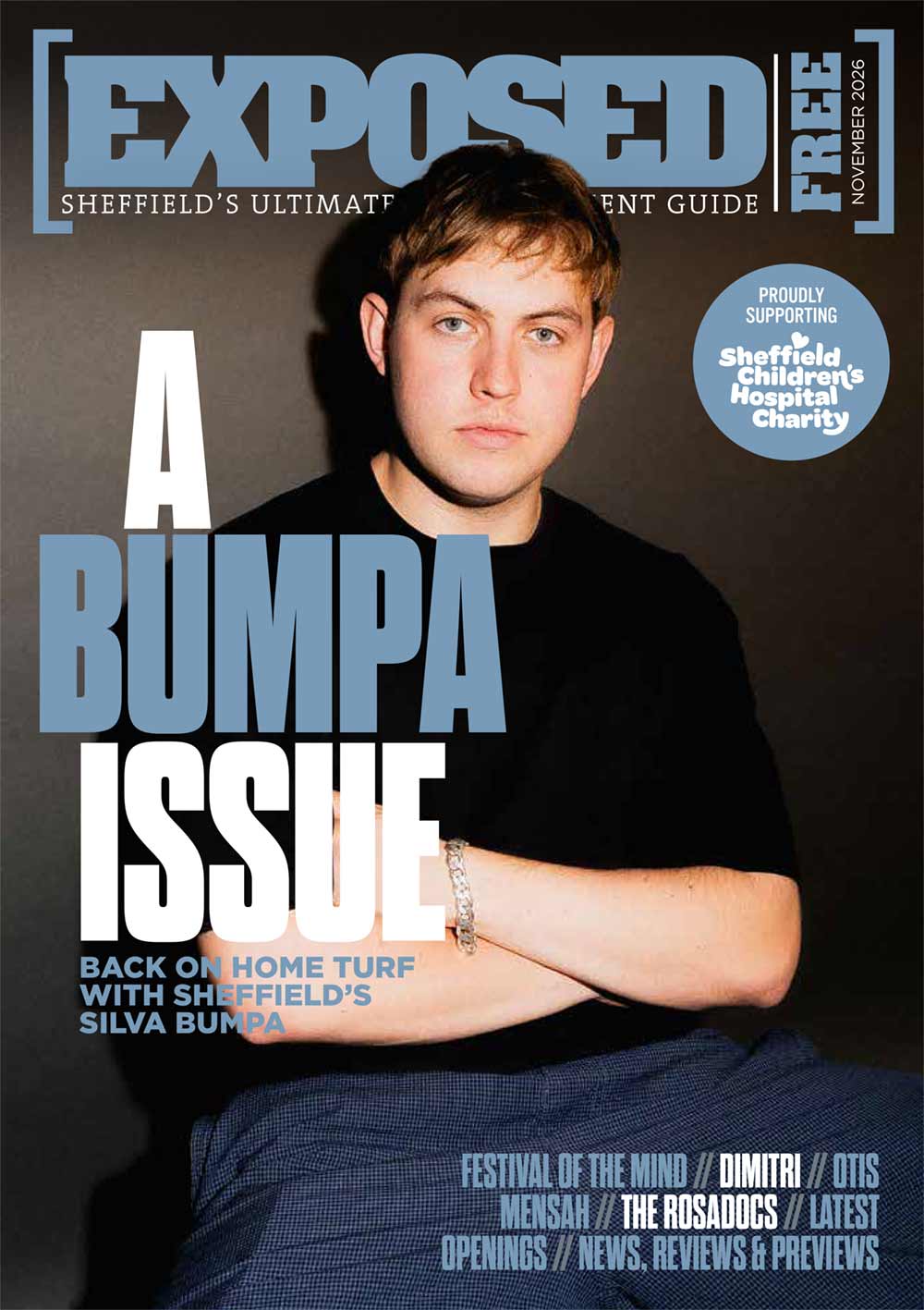
From Cabaret Voltaire’s industrial experiments to the inclusive spaces nurturing growing scenes today, a new short doc traces the people and places behind Sheffield’s electronic music story. Filmmaker Jordan Carroll tells Exposed what he discovered along the way.
From the Ground Up: How Sheffield Inspired the Evolution of Electronic Music traces the city’s journey from the industrial, avant garde experiments of Cabaret Voltaire through to the grassroots venues nurturing the scenes of the future. Created by local filmmaker Jordan Carroll and commissioned by Marketing Sheffield as part of its Sheffield Inspires campaign, the film features artists, DJs and venue owners whose work has helped shape the city’s sound over the decades.
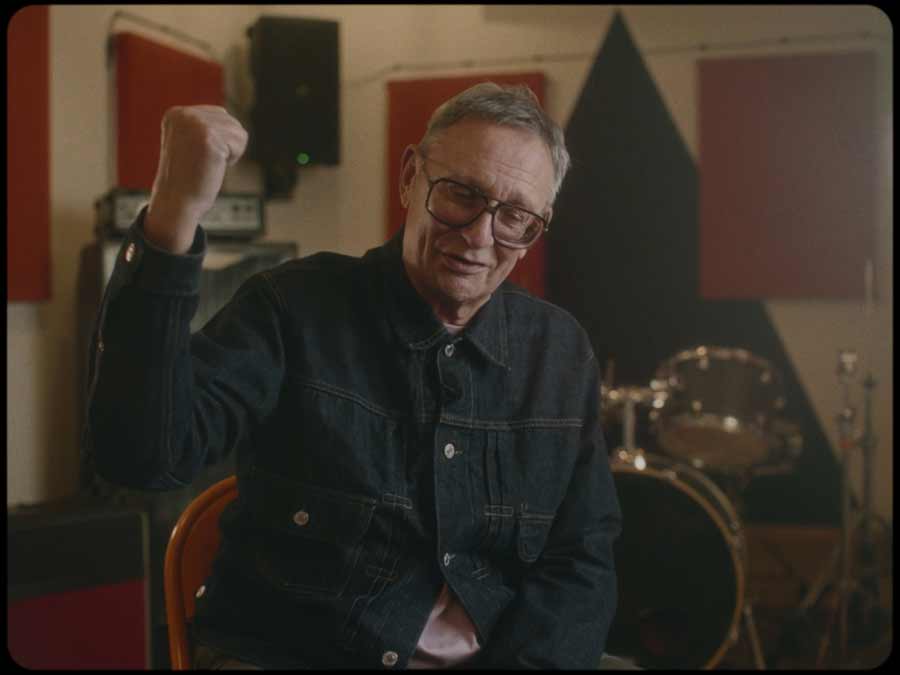
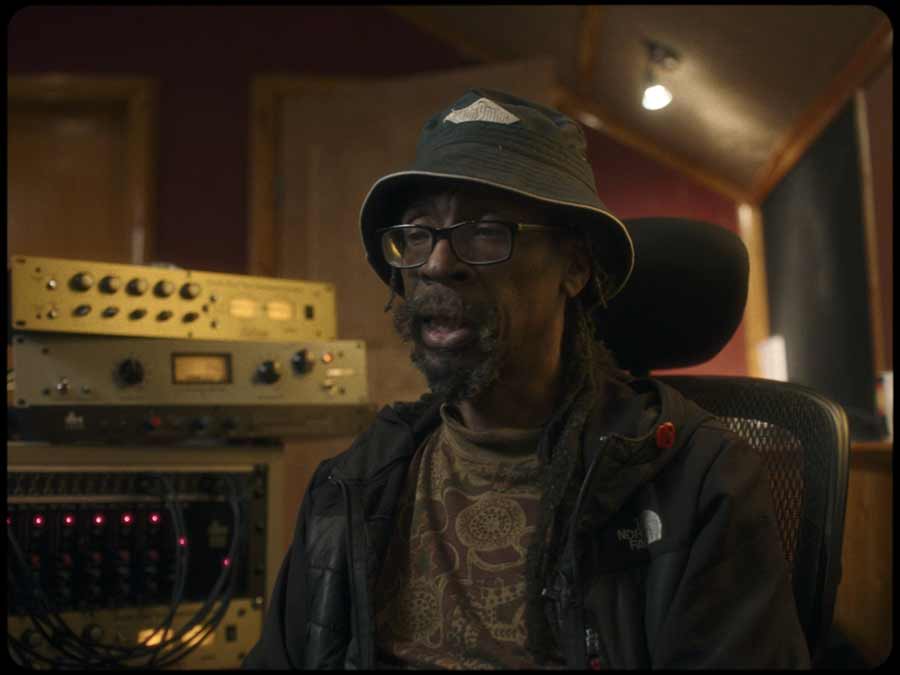
Among them are Cabaret Voltaire’s Stephen Mallinder, Warp Records co-founder Rob Gordon, DJ and producer Toddla T and Katie Matthews, co-founder of independent music venue Gut Level. Their stories are threaded together through narration by journalist Daniel Dylan Wray, whose book Groovy Laidback & Nasty: A History of Independent Music in Sheffield helped inform the documentary.
Jordan tells Exposed he learned plenty along the way, explaining that he initially expected the film’s early chapters on electronic pop to focus on the Human League’s commercial success. But researching the Cabs revealed a story he felt deserved more attention, particularly among younger viewers.
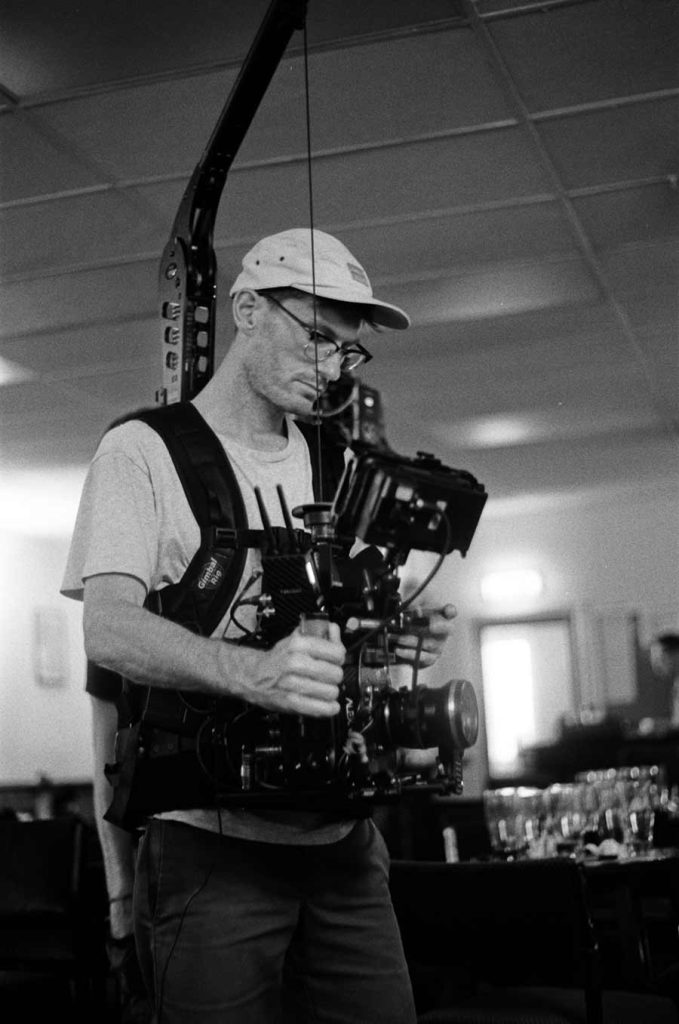
“At first, I think I didn’t fully understand how important Cabaret Voltaire were,” he admits. “I’m 35, so you can class me as a millennial, and I’d kind of missed them somehow – and I think that could be the same for other younger generations. So I wanted to acknowledge that, as there’s something about the Cabaret Voltaire sound that is a bit more DIY, underground and grassroots, and that angle was really important to the story we were telling.”
From there, the film follows the synthpop revolution through to the emergence of club nights such as Jive Turkey, the formation of Warp Records in the late 1980s and the sweaty, euphoric dancefloors of the Gatecrasher era. It moves on to Sidney Street’s Niche and bassline era in the 2000s before arriving at modern-day spaces such as Gut Level, where new generations continue to carve out creative spaces for themselves.
The sounds may vary significantly from decade to decade, but Jordan sees a shared spirit running through them. “The thing with all of these different scenes, it’s people doing things for themselves. We don’t need some big commercial thing to come from Manchester or London and be like, ‘This is the new way or place to have fun.’ The best things are created by and for the people here.”
He points to parts of the city’s industrial legacy – namely its old warehouses and abandoned factories – as an important part of this, giving people somewhere to try out ideas and throw parties. Just as striking was the mix of people visible in the archive footage he uncovered, with venues and club nights often bringing different communities together on the dancefloor.
“A lot of these clubs and spaces were really good at bringing different ethnicities and cultures together,” he says. “If you look at the Jive Turkey nights, it’s a perfect example of that. You see that continued today with spaces like Gut Level: it’s a safe space, it’s inclusive. There’s so much hate these days, especially in online rhetoric, but I think the film is a reminder that we work stronger when we come together.”
More than anything, Jordan hopes the documentary will encourage more people to dig into the city’s musical past and recognise its often-underrated contribution. “Daniel mentions in the doc that Sheffield often goes under the radar,” he says, “and that’s why he wrote the book – to give props to Sheffield and plant a flag for its place in music history. I think it deserves to have its moment, and Sheffielders definitely deserve to watch things that celebrate their city and help bring us all together.”