Disclaimer: This article is not intended to be a recommendation. The author is not responsible for any resulting actions of the company during your trading experience. The information provided in this article may not be accurate or up-to-date. Any trading or financial decision you make is your sole responsibility, and you must not rely on any information provided here. We do not provide any warranties regarding the information on this website and are not responsible for any losses or damages incurred as a result of trading or investing.
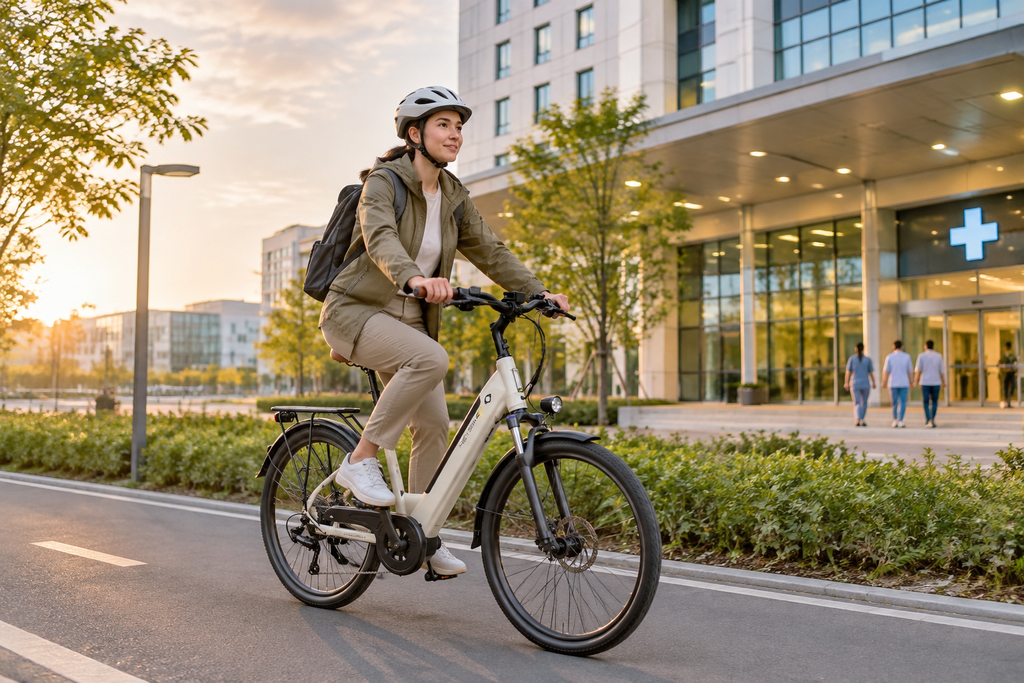
A useful errand bicycle needs to do more than reach the shops. It must carry a realistic load, fit the places where it stops, and remain manageable while the rider locks it, collects a parcel, or rearranges a bag. Wide tires may be part of the preferred setup, but practical carrying equipment and a sensible route turn the bike into something used regularly.
Start with one familiar outing rather than a full week’s shopping. A small grocery collection, a pharmacy visit, or a modest parcel pickup can reveal what works without creating an awkward first load. The goal is to build a repeatable arrangement around real purchases, not to fill every available space on the bicycle.
Decide what the bike will carry
Write down the size and approximate weight of an ordinary collection. A light but bulky package can be difficult to carry even when it is well below a stated load limit. Consider whether the item fits in the intended bag and whether the bag can be closed and secured. Avoid relying on the rider’s hand to steady a parcel while moving.
Separate items that need different treatment. Fragile food, liquids, and a small electronic device may all fit in one basket but require different protection. Keep the load stable and avoid arrangements that could leak onto components or shift toward a wheel. If a pickup turns out larger than expected, use another collection or delivery option.
Match equipment to the whole bicycle
Check approved accessory mounting points and the bike’s instructions before ordering a rack, basket, or pannier. Tire width can affect clearance, while fenders, lighting, and the frame shape can affect where equipment fits. A universal description is not a substitute for confirming compatibility with the actual model.
When selecting an ebike for errands, compare carrying arrangements as carefully as the assistance system. Read the complete-bike load limit and any separate rack or accessory limit. These limits are not interchangeable. Accessories and the rider are part of the total load, so a rack rating should not be treated as permission to carry that amount in every situation.
Keep the load out of the riding space
Fit bags so they do not interfere with pedaling, steering, brakes, lights, or the rider’s movement. Check heel clearance and make sure straps cannot reach a wheel or drivetrain. Secure loose ends using the accessory’s intended method. A bag that stays in place while parked may behave differently over a turn or a small bump.
Begin with a modest load in a quiet area and follow the equipment instructions. Notice whether starting, stopping, and supporting the bike feel different. Do not compensate for an unstable load by simply riding faster or relying on the motor. Adjust the arrangement or reduce what is carried before joining a busier route.
Check parking at each destination
Look for a suitable fixed point and enough room to park without blocking pedestrian access. A wheel slot may not accept the actual tire size, and a crowded rack can make it difficult to reach a frame with a lock. Choose a permitted alternative in advance when the usual space is unreliable.
A fat tire ebike also deserves a handling check with its normal bags attached. Can it turn through the entrance to the parking area, stand securely as instructed, and be unlocked without removing every purchase? These are small details, but they determine whether a quick errand stays quick.
Plan stops in a useful order
Think about opening hours, collection windows, and what should be carried for the shortest part of the outing. Heavy or temperature-sensitive purchases may fit better near the end of the route. A slightly different order can reduce the time spent riding with a full load without requiring a different bicycle.
Leave some carrying space unused for unexpected packaging. Online dimensions may describe the product rather than the box handed over at collection. Check important parcel sizes with the shop when necessary, and do not assume staff can break down packaging or store unwanted materials. The collection plan should work with the service actually offered.
Build a routine after the first few trips
Keep useful items together: lock, keys, bags, and any access card needed for storage. Check the tires, brakes, and fitted carrying equipment according to the bicycle instructions. Follow the specified battery and charging guidance and keep maintenance needs separate from the shopping schedule. A trip can wait when the equipment needs attention.
After several outings, review which bags were used, where parking took extra time, and which purchases were unsuitable. Add equipment only when it solves one of those repeated problems. A well-planned errand setup is often simpler than the first imagined version: a suitable bicycle, a stable load, and a route with manageable stops.