Disclaimer: This article is not intended to be a recommendation. The author is not responsible for any resulting actions of the company during your trading experience. The information provided in this article may not be accurate or up-to-date. Any trading or financial decision you make is your sole responsibility, and you must not rely on any information provided here. We do not provide any warranties regarding the information on this website and are not responsible for any losses or damages incurred as a result of trading or investing.
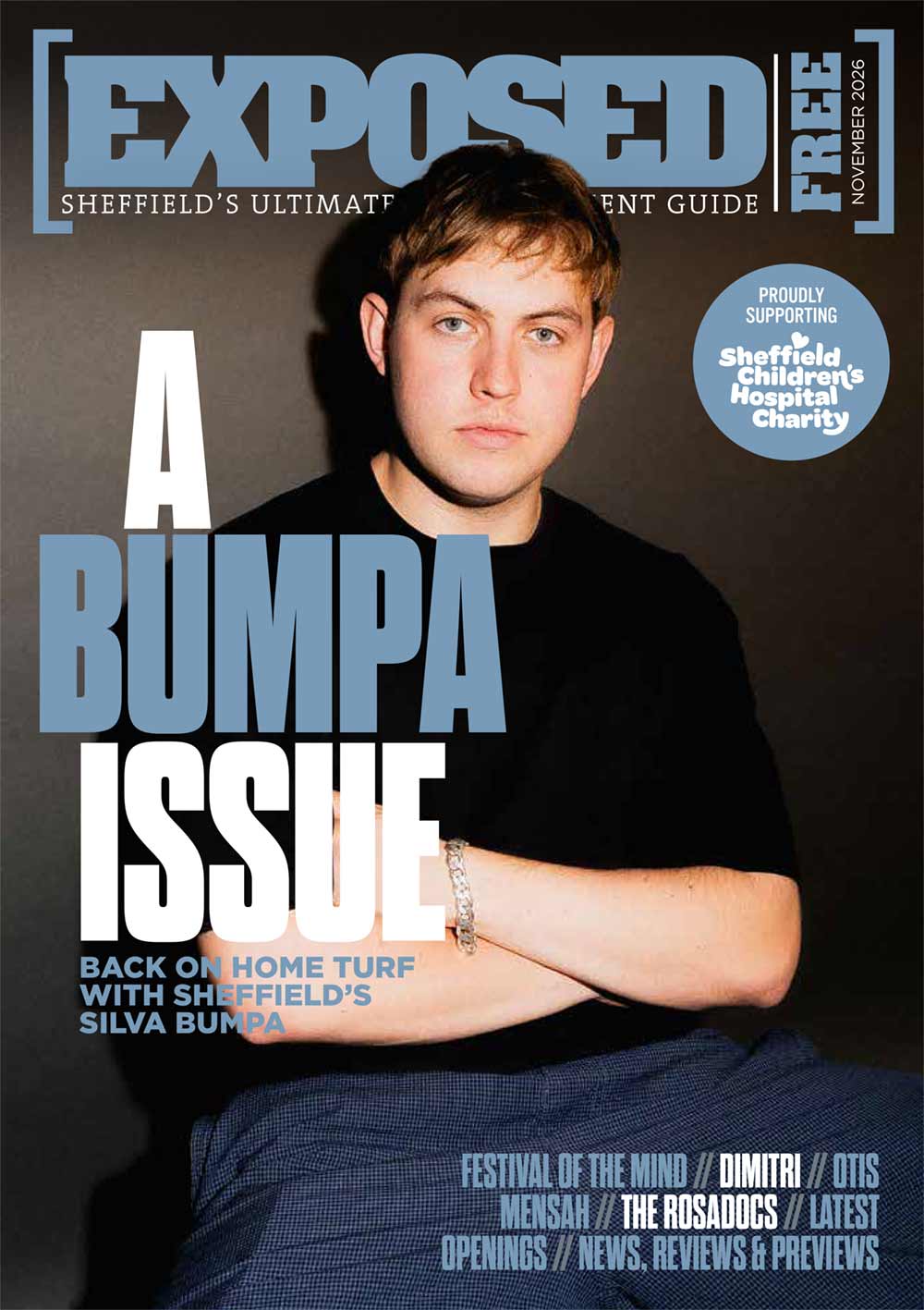
Editorial desks often struggle to turn print-caliber photo shoots into dynamic social video assets without ballooning budgets. Utilizing disciplined image to video ai pipelines allows creative teams to animate static keyframes while preserving fine photographic textures.
Independent print magazines and regional cultural publications cannot afford the sprawling digital teams that major legacy broadcasters deploy. Instead, agile editorial desks rely on streamlined generative workflows that translate single photographs into living visual vignettes. However, treating synthetic motion as an automated shortcut often yields distorted limbs, melting textures, and jarring frame transitions that undermine editorial authority. Achieving publication-grade moving visuals requires treating source stills as intentional cinematic keyframes that dictate every downstream kinetic calculation.
Preparing Photographic Source Material For Dynamic Temporal Translation
Successful video synthesis begins long before selecting a motion slider or entering a prompt. The foundational visual properties of the source photograph determine the upper ceiling of generative quality. If a photograph possesses muddy lighting, low contrast resolution, or ambiguous edge boundaries, the underlying generative model struggles to differentiate between foreground subjects and ambient environmental textures. Editorial photographers must select and treat images specifically intended for kinetic transformation.
High-resolution captures with deliberate separation between subject and setting provide the ideal raw substrate. When lighting clearly defines facial bone structure, architectural masonry, or textile drapery, generative diffusion networks can infer realistic spatial depth. Conversely, flat editorial portraits shot under diffuse, shadowless ambient lighting often produce severe boundary melting during synthesis. Proper pre-press asset preparation ensures that the generative model receives unmistakable visual landmarks upon which to build temporal continuity.
Evaluating Compositional Lighting Contrast And Spatial Depth Cues
Before submitting any image to a generative queue, editors must evaluate the composition through the lens of volumetric depth. Strong key lights, defined rim lighting, and distinct focal planes communicate three-dimensional geometry to the synthesis model. When a subject stands against a sharp, contrasting backdrop, the algorithm accurately constructs a virtual camera view that can pan or track without entangling disparate depth layers.
In our studio render test protocols, assets displaying sharp foreground clarity against softly blurred midgrounds consistently delivered superior motion coherence. When subjects shared tonal values with their immediate background, motion vectors frequently dragged static wall textures across the subject’s shoulders, causing obvious visual defects. Selecting source stills with crisp luminance separation eliminates these failure modes at the source, preventing costly render cycles on flawed photographic foundations.
Isolating Focal Subjects Before Injecting Generative Motion Vectors
While generative diffusion operates across the full image canvas, editorial imagery typically centers on a single narrative anchor—a musician holding an instrument, a designer in their atelier, or an actor gazing into a studio lens. Editorial teams using ImgToVideo benefit from establishing clear subject isolation prior to synthesis, ensuring that primary figures retain their distinct visual identity throughout the clip.
Isolating focal subjects prevents ambient environmental movement from contaminating primary figures. For example, if a background features flowing gallery curtains or flickering neon signage, the system must recognize that the subject remains anchored to their physical posture. Clarifying subject boundaries through gentle contrast grading or subtle vignetting guides the model’s attention heads, ensuring that kinetic energy flows through the environment while keeping the human subject anatomically stable.
Step By Step Workflow For Translating Stills Into Motion
Transforming editorial stills into broadcast-ready kinetic clips follows a sequential, reproducible production path. By adhering to a rigorous staging process, small creative departments can produce consistent digital teasers, website hero loops, and social promos without accumulating technical debt. The following structured sequence guarantees reproducible visual fidelity across diverse cultural subjects:

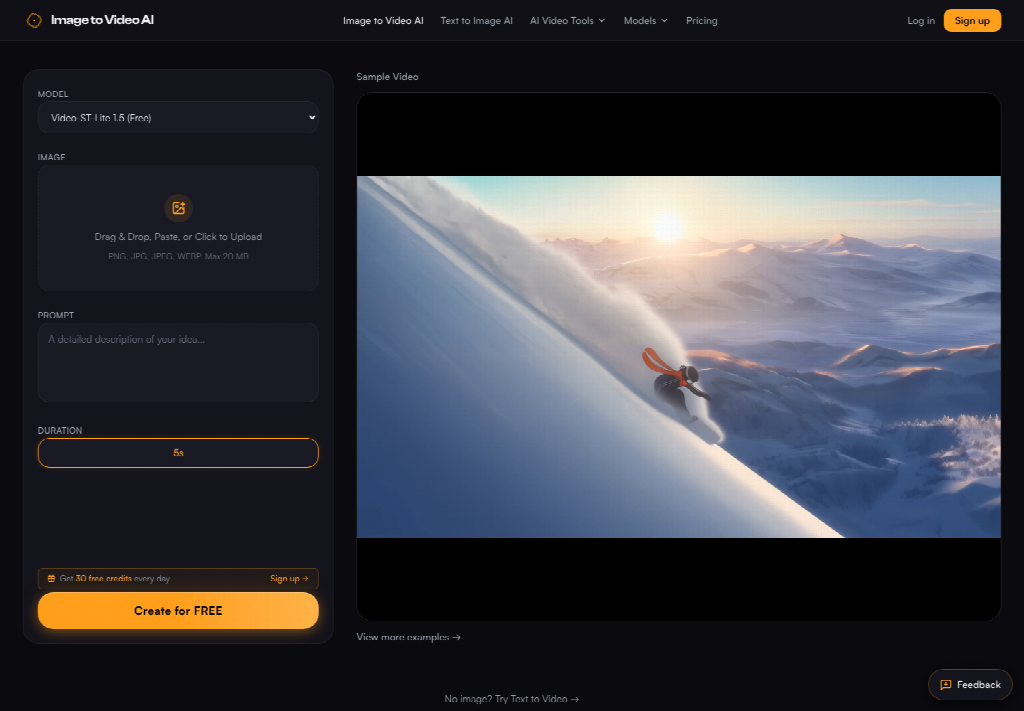
- Step 1: Photographic Ingestion and Ratio Selection: Upload high-resolution source stills formatted specifically for target editorial display viewports. Choose between 16:9 widescreen for long-form editorial essays, 9:16 vertical for short-form reels, or 1:1 square for gallery feeds.
- Step 2: Descriptive Motion Prompting: Craft precise, concise text prompts that describe subtle atmospheric movements rather than complex narrative shifts. Focus strictly on directional wind, soft breathing, slow lens drift, or gentle light play.
- Step 3: Kinetic Amplitude Calibration: Adjust motion intensity sliders to modest settings, typically between 20% and 40% of maximum velocity, to prevent anatomical warping.
- Step 4: Seed Iteration and Review: Generate short preview passes, evaluating the motion progression frame by frame to inspect facial integrity, edge stability, and texture retention.
- Step 5: Master Export and Color Conforming: Export the final high-definition render and apply a uniform color grading curve in non-linear editing software to match the publication’s visual palette.
Following this linear workflow prevents the chaotic iteration cycles that plague unstructured generative experiments. When each phase is treated as an intentional checkpoint, creative directors maintain complete artistic control over the resulting motion profile.
Configuring Multi Ratio Canvas Formats For Varied Social Channels
Contemporary cultural publishing demands rapid asset syndication across highly fragmented digital surfaces. A single interview feature requires widescreen desktop playback, vertical mobile story vignettes, and square digital newsletter embeds. In legacy video workflows, reframing across these ratios requires manual cropping, repositioning, and often reshooting expensive studio setups.
Generative image-to-video platforms streamline this challenge by generating native canvas dimensions directly from adapted source crops. Rather than stretching or awkwardly letterboxing a single master file, editorial artists generate distinct renders tailored to each aspect ratio. Generating native vertical renders ensures that subject framing fills mobile screens naturally, while widescreen outputs preserve atmospheric negative space for cinematic desktop reading experiences.
Prompt Crafting For Natural Fabric Swings And Atmospheric Drift
The text prompt in an image-to-video pipeline does not function like a text-to-image prompt. Instead of describing what the image looks like, the prompt acts as a directional director instructing the model on how energy should move through existing pixels. Describing visual elements already present in the source image often confuses the model, prompting it to hallucinate unwanted duplicate objects.
Effective editorial prompts concentrate exclusively on kinetic behavior: gentle breeze swaying silk lapels, slow rising smoke from a stage backdrop, or a subtle lateral camera track across gallery paintings. Using evocative yet physically grounded descriptors guides generative diffusion along natural velocity curves. Restricting prompt vocabulary to verifiable physical movements prevents the system from introducing erratic, unpredictable transformations.
Guiding Micro Expressions Without Uncanny Facial Distortion Flaws
Portraits are the lifeblood of cultural journalism, capturing the personality, grit, and vulnerability of artists, writers, and community figures. Animating human faces, however, carries the highest risk of catastrophic failure. An awkward twitch of an eyebrow or an unnatural expansion of a smile instantly transforms an artistic portrait into a jarring parody.
To avoid the uncanny valley, editorial prompts should limit facial instructions to micro-movements. Describing subtle eye blinks, a gentle release of breath, or a slight shift in head tilt produces convincing, dignified portraits. In our studio passes, prompts requesting dramatic emotional changes consistently caused facial features to become distorted and unreadable. Keeping facial kinetics restrained ensures that subjects look engaged and alive while preserving the authentic essence of the original photographic session.
Refining Loop Settings For Seamless Cultural Exhibition Displays
Beyond social media feeds, digital editorial assets increasingly find homes in physical exhibition spaces, gallery foyers, and live performance venues. Displaying moving imagery in continuous public installations requires seamless looping capabilities, where the final frame dissolves imperceptibly back into the opening composition without a visible hitch or jarring jump cut.
Platforms like ImgToVideo support dedicated loop generation modes that mathematically constrain the final frame’s latent vector to match the initial reference still. This cyclic constraint enables digital artists to create mesmerizing, infinite kinetic loops of concert crowds, kinetic sculptures, or environmental streetscapes. For cultural institutions seeking to enrich physical exhibits with subtle digital movement, seamless loops offer an elegant, non-intrusive storytelling vehicle that runs continuously without technical supervision.
Balancing Rendering Overhead And Asset Iteration In Studio Production
While the creative potential of synthetic video is immense, editorial departments must remain conscious of operational resource consumption. Every high-resolution render consumes dedicated processing quota, and uncalibrated generation cycles can quickly deplete departmental budgets. Establishing clear review standards minimizes wasted computing cycles and prevents production delays.

In creative studios, reviewing low-resolution draft previews before committing to full-length high-fidelity exports saves valuable production time. Editors who skip preview phases frequently discover subtle warping only after burning significant credits on final renders, forcing an entire afternoon of unnecessary re-work. In one early trial session, an unmonitored team generated dozens of uncurated runs where extreme motion settings rendered the assets unusable, resulting in an entire batch that was scrapped and never published. Tracking the credits each render demands establishes fiscal discipline, ensuring that generative tools accelerate rather than derail creative editorial operations.
Curating The Boundary Between Static Photography And Living Vignettes
The objective of introducing generative motion into independent editorial platforms is not to replace the power of still photography, but to complement it. A great photographic still holds time captive, allowing the viewer to absorb composition, texture, and emotional nuance at their own pace. Moving imagery introduces temporal rhythm, mood, and atmospheric context that draws readers deeper into narrative journalism.
By implementing a structured, three-staged production methodology—meticulous photographic preparation, linear workflow execution, and restrained kinetic prompting—creative desks elevate their storytelling capabilities without sacrificing editorial integrity. Platforms like ImgToVideo provide the necessary technical levers, giving independent editors the power to craft cinematic vignettes that honor the visual craft of traditional print while commanding attention across modern digital channels.
When art directors balance disciplined preparation against technical restraint, moving imagery deepens rather than trivializes cultural storytelling. The future of creative editorial publishing belongs to those who view artificial intelligence not as a novelty generator, but as a precision instrument that brings authentic visual stories to life.