Disclaimer: This article is not intended to be a recommendation. The author is not responsible for any resulting actions of the company during your trading experience. The information provided in this article may not be accurate or up-to-date. Any trading or financial decision you make is your sole responsibility, and you must not rely on any information provided here. We do not provide any warranties regarding the information on this website and are not responsible for any losses or damages incurred as a result of trading or investing.
What Is the Best Material for Custom Awards and Trophies?
Choosing a material for an award is one of the first decisions when planning a recognition program. The material affects how the award looks, how long it lasts, what it costs, and how it is received. Common options include crystal, glass, acrylic, wood, and metal, and each has strengths and limitations.
This guide compares those materials so that readers can match the material to the occasion, the recipient, and the budget.
1. Crystal
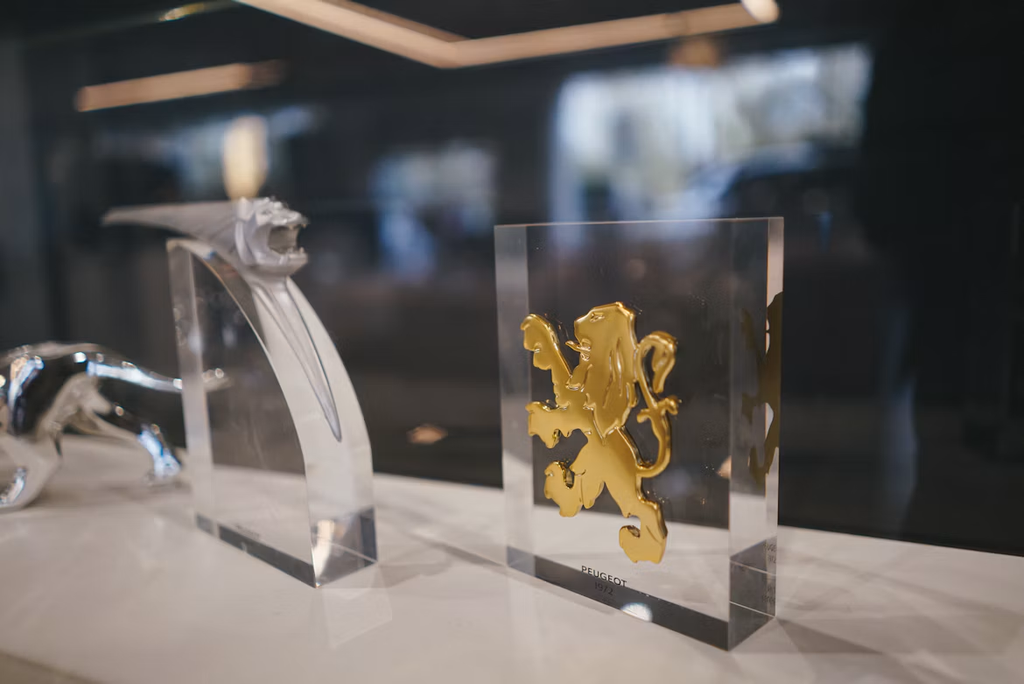
Crystal is valued for its clarity and the way it reflects light. It is often used for formal ceremonies, executive recognition, and major milestones, and it is usually shaped into stars, towers, diamonds, or geometric forms. Engraving can add a name, achievement, or date.
The main drawbacks are cost and fragility. Larger or higher-quality pieces can be expensive, and crystal needs careful handling during transport and display.
2. Glass
Glass has a clean, professional look and suits a wide range of purposes, such as team recognition, sales achievements, and years-of-service awards. It is available in many thicknesses and finishes, including frosted details and polished edges.
Prices vary widely depending on size and design. Like crystal, glass can chip or break if dropped, so protective packaging is important when awards are shipped or carried to an event.
3. Acrylic
Acrylic is a lightweight plastic that can be cut into many shapes and produced in many colors. It also accepts printed graphics as well as engraving, which makes it a flexible choice for designs that include logos or brand colors.
Because it is generally lighter and less costly than glass or crystal, acrylic is often chosen when many awards are needed at once. It resists shattering but scratches more easily, so it is better suited to light handling and indoor display.
4. Wood
Wood gives awards a warm, traditional look. It is frequently used for service milestones, retirements, and community or academic recognition. Finishes range from light and natural to dark and formal, and wood is often paired with metal plates for engraving.
Wood is also commonly used for plaques, where a wooden backing holds an engraved plate. Examples of this format can be seen in award plaque designs. Plaques are easy to hang or display and have enough space for a name, title, and short message.
Appearance and price depend on the type of wood and the finish. Wooden awards should be kept away from moisture and direct sunlight, and cleaned according to the maker’s instructions.
5. Metal
Aluminum, brass, and other metals are used for medals, cups, and sculpted trophies. Metal can be polished, brushed, or colored, and it holds up well to repeated handling. It is also commonly combined with wood, glass, or acrylic, for example a metal plate mounted on a wooden base.
Cost depends on the metal, the manufacturing method, and the complexity of the design, so it is worth comparing finishes before deciding.
6. Factors to Consider
No single material is best in every situation. These questions can help narrow the choice:
• Purpose: What does the award represent? Formal, high-profile achievements often suit crystal, while traditional milestones suit wood.
• Budget: Consider the full cost, including engraving, packaging, shipping, and any setup fees.
• Personalization: Check that the material supports the wording, logo, or artwork that will be used.
• Durability: Think about whether the award will be displayed on a shelf, kept on a desk, or travel frequently.
• Presentation: Choose a size and finish that fit the setting in which the award will be given.
Whenever possible, review a sample or a digital proof before approving a large order. This helps catch spelling errors and confirms that the final design matches expectations.
Conclusion
Crystal offers an elegant look, glass is versatile, acrylic is modern and economical, wood is classic, and metal is durable and distinctive. The best option is the one that fits the occasion and the budget, not necessarily the most expensive one. Clear wording and thoughtful design matter as much as the material itself in making an award meaningful to the person who receives it.