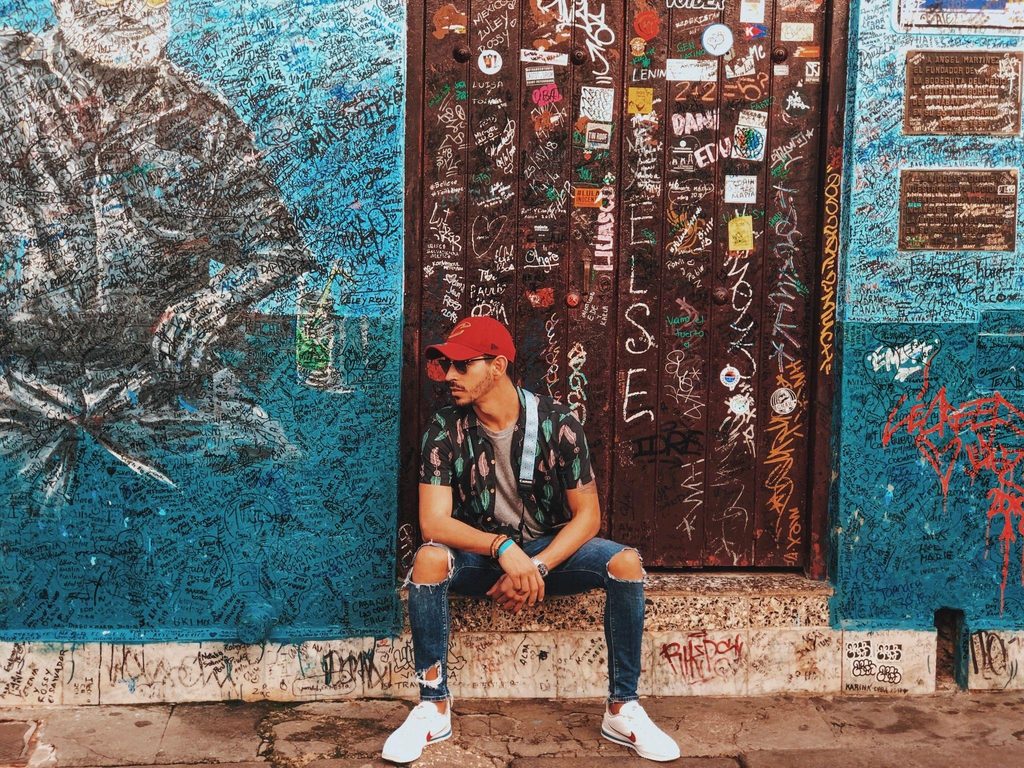
Mexico’s city streets offer a constant exchange of visual ideas. Posters, hand-painted signs, concert flyers, murals, and storefront lettering all compete for attention. Fashion belongs to that same environment, carrying images and messages from public spaces into everyday life.
One of the most compact examples is the statement cap. Once associated primarily with sports and practical clothing, headwear can now serve as a place for graphic experimentation. Its small surface can hold a surprising amount of personality.
The Street Is More Than a Backdrop
Urban style does not develop only in studios or on fashion runways. People encounter design while commuting, attending concerts, meeting friends, and exploring neighborhoods. These everyday encounters shape what looks familiar, exciting, or worth wearing.
That does not mean every embroidered cap is directly inspired by a mural or a music poster. Rather, streetwear operates within a shared visual environment where bold lettering, strong contrasts, and recognizable symbols are part of daily experience.
Why Caps Make Effective Creative Canvases
A cap offers designers a distinctive challenge. There is limited room for an idea, yet the finished piece must remain wearable. The front panel, brim, stitching, and side details each provide opportunities to communicate something without turning the accessory into a larger garment.
Raised embroidery can give lettering depth, while textured materials and metal elements change how a design catches light. These choices matter because they affect how a cap looks both close up and from across a room.
Music Gives Fashion Another Vocabulary
The relationship between music and personal style is especially visible around concerts, festivals, and nightlife. Fans do not necessarily dress alike, but clothing can signal the sounds, communities, and creative worlds they feel connected to.
In Mexico, conversations about streetwear can cross genres and scenes rather than staying within one musical tradition. A graphic accessory might complement an outfit influenced by hip-hop, contemporary regional music, skate culture, or a mixture of those references.
Independent Labels Make Room for Experimentation
The appeal of graphic headwear has created space for brands willing to treat a cap as more than a blank surface for a logo. Different textures, layered symbols, and unusual finishes allow familiar shapes to take on a new identity.
Within this approach, barbas hats provides an example of a label using conspicuous design details to distinguish its headwear. The interest is not simply in making a cap brighter, but in giving buyers a piece that can carry an entire outfit’s visual emphasis.
The Cultural Appeal of Standing Out
Personal style often involves a balance between belonging and individuality. Someone may follow the general silhouettes of their friends while choosing one accessory that makes the look unmistakably their own.
That tension helps explain the attraction of statement pieces. A category such as look at me brings the idea into focus through caps built around prominent graphics and decorative features. The name also captures a wider fashion impulse: sometimes the point of an accessory is to invite a second glance.
Details Can Be Conversation Starters
A symbol or unusual texture can become the first thing another person notices. It might prompt a question about the design or simply make an outfit memorable. In that sense, accessories participate in social interaction, not just personal presentation.
Digital Culture Changes the Viewing Distance
Social platforms have added another setting in which fashion is seen. A design must sometimes communicate in a small photo, a brief video, or a crowded feed, where fine details may disappear.
This helps explain why strong silhouettes and clear graphic elements remain useful. Yet a piece that looks striking on a screen still has to work in everyday life. Comfort, fit, and construction are important after the camera is put away.
Mexico’s Urban Style Is Not One Look
No single outfit represents Mexico’s cities, and treating streetwear as one uniform misses much of its character. People combine practical basics, vintage finds, sportswear, local labels, and international influences in different ways.
The cap is adaptable within that variety. It can finish a restrained outfit or join a more expressive combination. What matters is how the wearer brings the elements together, rather than following a predetermined formula.
An Everyday Object With Cultural Meaning
The growing creative attention given to headwear illustrates how ordinary objects can become vehicles for identity. A cap remains useful for everyday wear, but its imagery can also suggest a mood, an interest, or a particular sense of humor.
As Mexico’s urban fashion conversations continue to evolve, accessories offer room for new interpretations. Their impact comes less from any single trend than from the freedom to make something familiar feel personal.