Disclaimer: This article is not intended to be a recommendation. The author is not responsible for any resulting actions of the company during your trading experience. The information provided in this article may not be accurate or up-to-date. Any trading or financial decision you make is your sole responsibility, and you must not rely on any information provided here. We do not provide any warranties regarding the information on this website and are not responsible for any losses or damages incurred as a result of trading or investing.
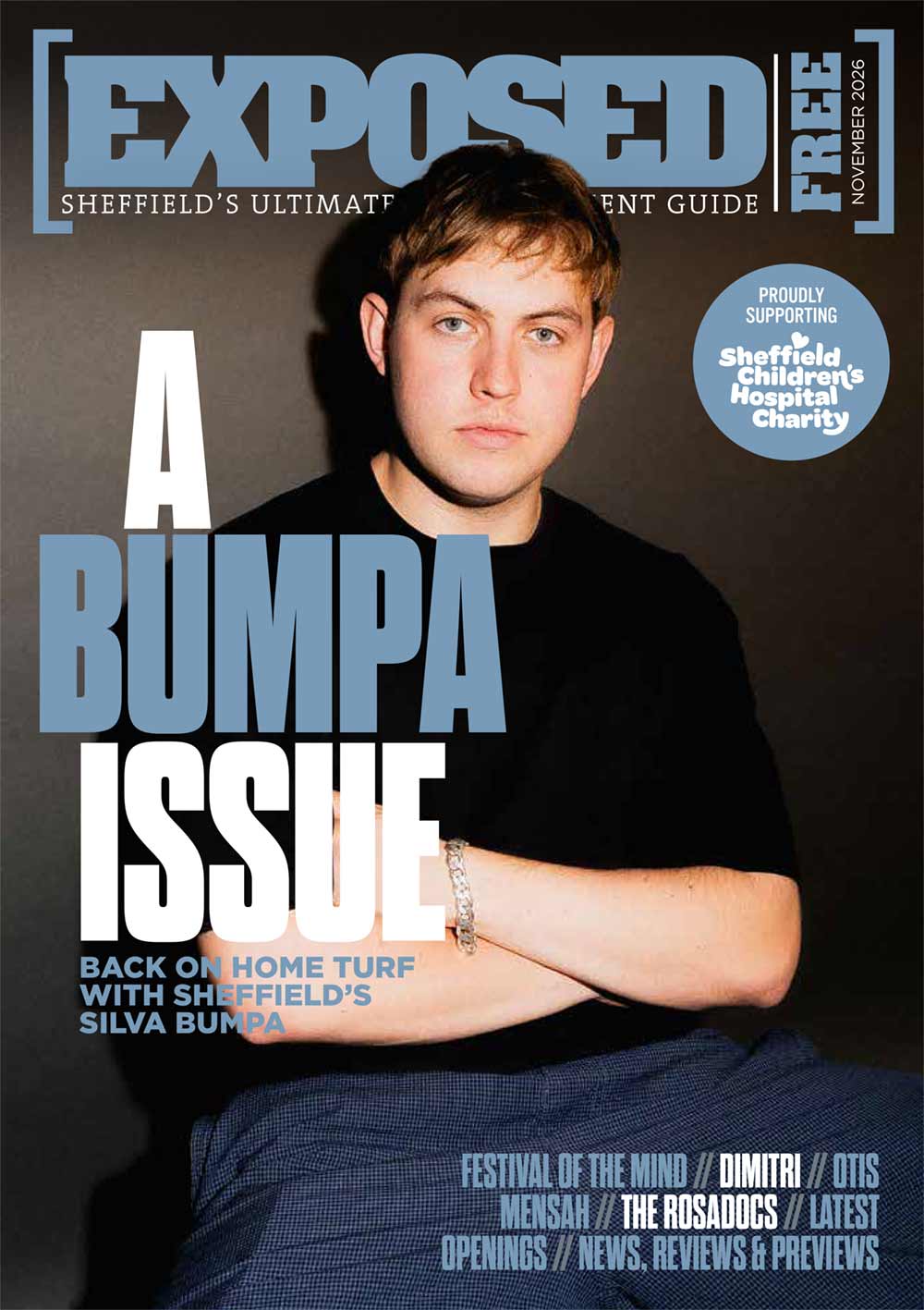
Independent venues across Sheffield and Leeds know the financial pressure when advance ticket sales stall forty-eight hours before doors open. While screen-printed A3 gig flyers command attention outside Sidney & Matilda or along Division Street, converting static print assets into dynamic social ads hits an operational wall. Scrolling mobile audiences ignore flat poster graphics, yet dispatching a camera crew to soundcheck burns modest £150 bar margins. Routing approved band portraits directly through Lip sync ai enables touring promoters to synthesize a twelve-second vocal itinerary onto vetted artwork, keeping door times and ticketing links front and center without scheduling emergency filming sessions.
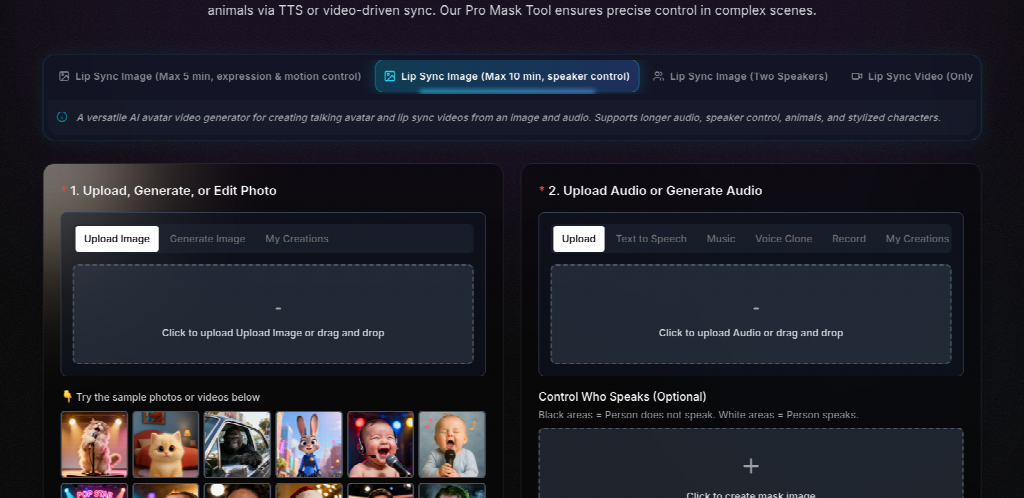
Preserving visual authority remains decisive during grassroots tour promotion. Backstage smartphone clips suffer from drum bleed and erratic wide lenses that wash out an artist’s curated identity. Inside Lipsync Studio, promoters bind a clean master vocal take straight to the high-resolution press still. This automated synthesis aligns phonemes to lip geometry while holding graphic treatments stable, delivering an authoritative video asset that matches physical street posters and drives measurable conversion on Skiddle and Gigantic ticket portals.
Why Flat Gig Flyers Lose Momentum In Mobile Social Feeds
A printed flyer on a venue pillar works because pedestrians stop and read the lineup. Mobile feeds operate under different mechanics. Flat graphics look like promotional clutter, causing fans to flick past within seconds. Attempting a soundcheck phone clip usually backfires: fluorescent lighting makes musicians look exhausted, snare bleed drowns out speech, and the clip undermines professional credibility.
Calling musicians into a video studio is equally impractical for grassroots tours. Studio rental, camera setup, and color grading consume hundreds of pounds needed for travel. When a promoter burns an afternoon in audio cleanup trying to salvage an echoey phone clip, the desk ends up stuck between an ineffective static image and an unaffordable production. Repurposing the primary press photo with synchronized speech bridges that divide cleanly.
Comparing Fast Tour Announcement Formats For Regional Venue Dates
Choosing a tour announcement format comes down to production overhead, brand consistency, and buyer retention. Evaluating available promotional assets clarifies the right delivery method.
| Promotional Format | Production Overhead | Turnaround Time | Audio And Visual Consistency | Primary Distribution |
| Static A3 Street Flyer | £45 screen print | 2 to 3 days | High on streetboards; low mobile engagement | Venue noticeboards |
| Rehearsal Phone Video | £0 direct; 3 hours wasted audio cleanup | 4 to 6 hours | Low due to erratic lighting and sound bleed | Backstage fan groups |
| Synthesized Poster Clip | Under £10 compute overhead | 5 minutes automated render | High alignment with official tour artwork | Paid social ads and alerts |
The comparison illustrates why animated stills have become essential for regional tour desks. Static flyers retain their place on venue pillars, but animated clips command mobile feeds where motion is mandatory for algorithmic reach. Promoters avoid amateurish clips while protecting thin margins.
Preserving Tour Flyer Visuals While Adding Clear Spoken Itineraries
Converting a publicity photograph into a speaking character requires protecting background elements and typography. Concert stills frequently include venue typography that must not warp when the mouth speaks. Configuring the asset properly inside Lipsync Studio ensures natural articulation while surrounding artwork stays rock solid.
Selecting Dedicated Five Minute Expression Models For Typographic Layouts
Standard facial animation models often warp surrounding details or blur adjacent lettering during head movement. Lipsync Studio provides a specialized 5-minute expression and motion control model designed specifically for scenes containing typography. This engine isolates speaker dynamics without bending surrounding flyer text, keeping venue dates legible.
Isolating The Lead Vocalist With Directional Stage Speaker Masks
Band publicity stills rarely feature a solitary musician, often showing full groups standing together. Feeding an unmasked group photo into an automated tool causes every open mouth to animate simultaneously. Promoters avoid this blunder by using the Control Who Speaks masking tool. Selecting directional coordinates or painting a manual mask over the vocalist face ensures only the designated singer speaks while bandmates maintain natural poses.
Practical Checkpoints Before Routing Traffic To Ticket Launch Outlets
Before launching a paid social push, exported video must pass practical checks. Minor synchronization slips or audio clipping can erode audience trust, turning an exciting announcement into a distraction.
Auditing Consonant Timing And Sound Sync Across Mobile Viewports
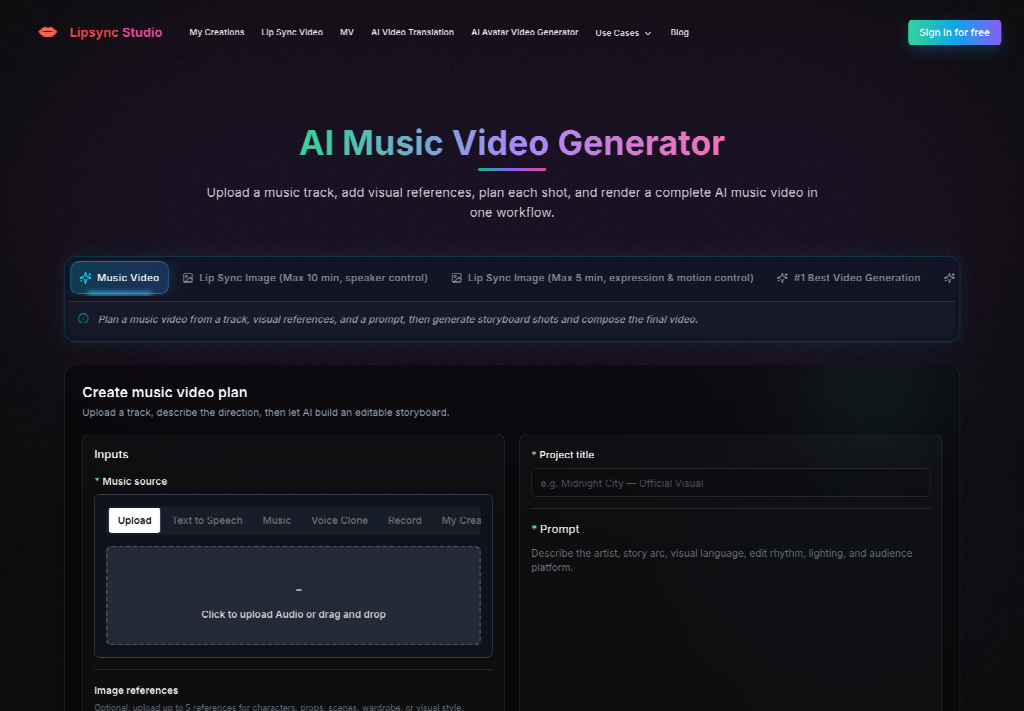
The crucial verification step is auditing consonant synchronization against the printed event sheet. Review exported video on a mobile handset at normal listening level, checking hard plosives on dates and door times. If the mouth shapes an open vowel half a second after the sound, discard that render and re-align audio. For projects expanding into full single releases, moving the asset to an AI music video generator allows creators to structure elaborate multi-shot narratives matching verse, chorus, and bridge. For a weekend tour alert, a tight synchronized spoken still remains the fastest solution.
Where Automated Vocal Lip Sync Tools Still Require Editorial Judgment
Automated speech animation accelerates promotional turnaround, but it cannot fix defective audio inputs. If a promoter uploads a voice note contaminated with harsh room reverb or distorted soundcheck bleed, synthesized lip movements shudder on key consonants. Human review remains indispensable: whenever acoustic reflections obscure phonemes, promoters must record a dry vocal take on a directional microphone rather than expecting software to filter acoustic chaos.
Securing Advance Ticket Commitments Before Showtime Door Opening
Managing an independent tour requires ruthless efficiency with time and marketing funds. Relying on static flyers leaves ticket sales vulnerable to feed fatigue, while organizing video shoots for every tour stop is financially unfeasible. Using Lipsync Studio to give voice to cleared tour stills solves the promotion bottleneck with precision.
Promoters obtain high-impact video announcements ready for social distribution in minutes, while bands maintain visual professionalism. The paper poster holds the lamppost on Division Street, while the talking clip delivers crowds straight to ticket links before opening bands strike their first chord.