Disclaimer: This article is not intended to be a recommendation. The author is not responsible for any resulting actions of the company during your trading experience. The information provided in this article may not be accurate or up-to-date. Any trading or financial decision you make is your sole responsibility, and you must not rely on any information provided here. We do not provide any warranties regarding the information on this website and are not responsible for any losses or damages incurred as a result of trading or investing.
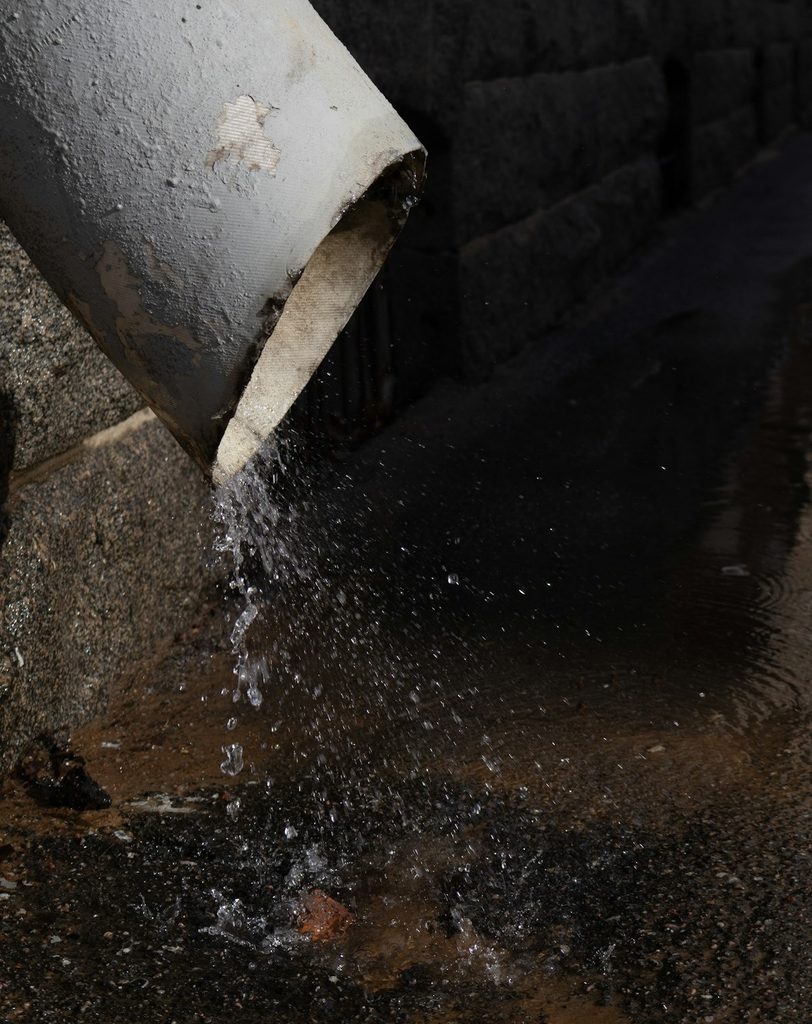
A blocked drain can move from minor inconvenience to urgent property problem surprisingly quickly. Slow sinks, gurgling toilets and unpleasant smells may be the first warning, but a severe blockage can eventually cause wastewater to back up inside a home or commercial premises. London properties add their own complications because drainage systems may be old, shared, difficult to access or affected by dense development. Acting early usually makes diagnosis and clearance easier.
Recognise the Early Warning Signs
Many blockages develop gradually. Water may drain more slowly than usual, plugholes can make gurgling sounds and odours may appear near sinks, gullies or external drains. If several fixtures are affected at the same time, the problem may sit deeper in the system rather than in one local trap. Paying attention to these patterns can help distinguish a simple household issue from a larger drainage fault.
When dealing with a blocked drain London property owners should avoid repeatedly pouring random chemicals into the system without understanding the cause. Chemical products may not clear compacted material, roots or structural defects, and they can make later work more difficult. If the blockage is persistent, affects multiple fixtures or causes wastewater to rise, professional assessment is usually the safer next step.
Stop Making the Problem Worse
If water is backing up, reduce use of the affected fixtures. Running more taps, flushing repeatedly or using appliances can add volume to a pipe that is already restricted. In commercial premises, staff should know which facilities are affected so the blockage is not unintentionally worsened while help is being arranged.
Where wastewater has escaped, hygiene becomes important. Avoid direct contact, keep people away from contaminated areas and protect vulnerable surfaces where practical. The priority is to prevent further spread before cleaning and disinfection begin.
Understand Common Causes of Blockages
Kitchen drains often collect fats, oils and food debris that gradually narrow the pipe. Bathroom systems may be affected by hair, wipes or other material that does not break down easily. External drains can collect leaves, silt and construction debris. In older systems, roots, displaced joints or damaged pipework can create recurring restrictions.
The cause matters because the correct solution changes with it. A simple soft blockage may respond to mechanical clearance or jetting, while repeated blockages in the same location can justify a CCTV inspection to look for a defect that ordinary unblocking would not solve permanently.
Use High-Pressure Jetting Where Appropriate
Drain jetting uses water under pressure to remove deposits and clear material from the inside of the pipe. It can be effective for grease, scale, silt and many common obstructions. The engineer should choose pressure and equipment that suit the drainage system rather than treating every pipe in the same way.
Jetting can also clean a longer section of pipe than simply punching a hole through the blockage. That matters where buildup has narrowed the line over time, because restoring a clearer bore can reduce the chance of an immediate recurrence.
Investigate Repeated Blockages
If a drain blocks again soon after being cleared, the property owner should ask why. Recurrence may point to root ingress, a damaged joint, poor falls, a collapsed section or another structural problem. Clearing the symptom repeatedly can become expensive without addressing the underlying cause.
A CCTV drain survey allows an engineer to inspect inside the pipe and record defects. This is particularly useful when the blockage location is not obvious or when excavation would otherwise be based on guesswork.
Consider Shared and External Drainage
London properties often sit close together, and drainage routes may serve more than one premises. A blockage that appears to be inside one property can sometimes relate to a shared line or a section beyond the boundary. Understanding where the restriction sits helps clarify who may need to be involved in the repair.
External access points, manholes and gullies can provide useful clues. An engineer may inspect water levels and flow between chambers to narrow down the affected section before using more invasive methods.
Protect Commercial Premises From Downtime
Restaurants, offices and shops can be affected quickly by drainage failure because toilets, kitchens and customer areas may become unusable. Businesses should know who to contact and where key drainage access points are located. Fast response matters, but so does accurate diagnosis so that the same problem does not force another closure days later.
After clearance, it may be worth reviewing maintenance where grease, heavy use or recurring debris creates predictable risk. Preventative jetting or inspection can sometimes be scheduled outside trading hours.
Know When a CCTV Survey Adds Value
Not every one-off blockage requires a full survey, but recurring problems, unexplained odours, suspected damage and pre-purchase concerns often justify a closer look. Camera footage can show the condition of the pipe and help determine whether repair is actually necessary.
The survey should lead to a practical recommendation. Property owners need to know what was found, where the defect is and what level of action is proportionate rather than simply receiving footage with no explanation.
Choose a Drainage Company That Explains the Cause
After the immediate problem is resolved, owners should keep a short record of what happened, where the blockage was found and what method cleared it. If another problem develops later, that history can help an engineer recognise a pattern more quickly. For managed properties or commercial sites, basic drainage records can also support maintenance planning and reduce repeated diagnostic work.
Quick Clear Drainage provides drain unblocking, clearance and CCTV survey services across London and surrounding areas. The company’s published information describes CCTV surveys for recurring blockages, root ingress, drain mapping, pre-purchase inspections and rodent-related drainage investigations.
Working with Quick Clear Drainage or another experienced contractor should provide more than temporary flow restoration. The second-last question is whether the engineer can explain what caused the blockage, whether the pipe appears otherwise sound and what action would reduce the chance of recurrence. Clear diagnosis makes future spending more targeted.
A blocked drain is easier to manage when early warning signs are taken seriously. Reducing water use, avoiding repeated chemical treatments and using appropriate professional equipment can limit damage and disruption. If the same drain keeps failing, investigation becomes just as important as clearance because the long-term solution depends on understanding what is happening inside the pipe.