Image Source: Yandex.com
If you own a rental property, manage an HMO, run an office or operate a commercial premises in London, electrical safety should be a regular part of your property management routine. Portable appliances can become damaged through everyday use, particularly when people frequently move, handle or transport them. A worn cable, damaged plug or faulty casing can create a safety risk that is not always obvious to the person using the appliance.
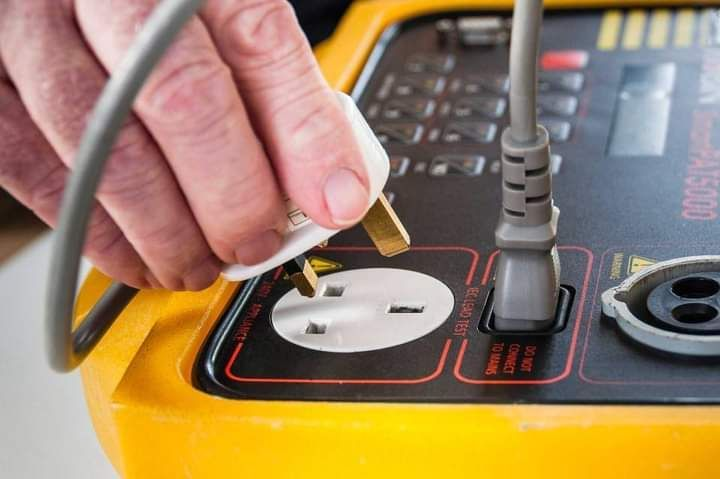
This is where Portable Appliance Testing can form part of a sensible electrical maintenance programme. PAT testing involves examining portable and movable electrical equipment and, where appropriate, carrying out electrical tests to assess whether it remains safe to use. The Health and Safety Executive explains that visual inspection is an important part of the process, while the need for formal electrical testing depends on the circumstances, equipment and level of risk.
There is also an important legal point to understand. The HSE states that electrical equipment must be maintained to prevent risk, but the law does not prescribe one testing method or frequency for every appliance. Employers should consider the equipment, how people use it and the environment when deciding what checks are appropriate.
This blog explores the cost of a PAT testing certificate in London, legal requirements and its scope can help you make a better decision instead of simply choosing the cheapest quotation.
What is the Cost of a PAT Testing Certificate In London?
Testing providers set their own prices, and they may use package rates, per-item pricing or quotations based on the property’s requirements.
EICR Cert’s current published residential prices range from £59 to £100. The £59 package covers up to 10 appliances, the £79 package covers up to 20 appliances and the £99 package covers up to 40 appliances. For commercial properties, the published prices range from £79 to £119, covering up to 10, 20 and 30 appliances respectively. Additional commercial appliances are charged separately.
These figures give landlords, businesses and property managers a useful indication of what they may need to budget. They should not be treated as a mandatory London-wide price because every property has different circumstances.
A small flat with several supplied appliances will naturally require less work than a large office with equipment spread across several rooms. The condition and accessibility of the equipment can also affect the amount of time required.
What Does Professional Portable Appliance Testing Include?
Professional PAT testing should involve more than connecting an appliance to a testing machine. The HSE explains that visual inspection plays an important role because some faults can be identified without electrical testing.
A competent person may examine plugs, cables, casings and other accessible components for signs of damage. They may identify cracked housings, damaged insulation, loose connections or other visible problems that could make equipment unsafe.
Where formal electrical testing is appropriate, the person carrying out the work should have the necessary competence and use suitable testing equipment. The HSE explains that combined inspection and testing requires appropriate knowledge and experience because the person conducting the work needs to understand the equipment, use the test equipment correctly and interpret the results.
EICR Cert describes its PAT service as including visual inspection of plugs, cables and casings, followed by electrical checks where required. The service also records the results and provides reporting on the appliances inspected and any corrective action recommended.
Why Do PAT Testing Prices Vary?
The number of appliances is one of the most obvious factors affecting the overall price. A small rental property may contain only a few portable appliances, while a busy Office could have dozens of items across different rooms.
An office might contain computers, monitors, printers, kettles, microwaves, extension leads and other portable electrical equipment. A commercial business may have additional equipment that employees regularly move or handle.
The technician needs to identify and inspect the relevant equipment, so a larger number of appliances generally requires more time. Accessibility can also influence the work. Equipment that sits in easily accessible locations can be inspected efficiently, while appliances located behind furniture, across several floors or within restricted areas may require more time to reach.
Why Is PAT Testing So Expensive?
When you receive several quotations, you may notice a significant difference between the prices. That does not automatically mean that the most expensive provider offers the best service or that the cheapest provider provides poor work.
The HSE states that people undertaking combined inspection and testing need appropriate competence. They should understand the equipment, use suitable testing equipment correctly and interpret the results accurately. This makes cheap PAT testing vs professional testing an important comparison. A professional service should focus on identifying electrical safety concerns and providing useful records rather than simply testing as many appliances as possible.
Before accepting an unusually affordable PAT testing rates London, ask whether the price includes visual inspection, electrical testing where appropriate, reporting and appliance identification. You should also check whether the company applies travel charges or a minimum booking fee.
PAT Testing Hidden Charges and Call-Out Fees
A low advertised price can sometimes become more expensive after additional charges are added. This is why it is worth asking about PAT testing hidden charges before making a booking.
A provider may advertise a starting price but charge separately for additional appliances. Some companies may also apply travel costs or a PAT testing call-out fee depending on the location and booking. These charges do not necessarily indicate poor service. The important issue is whether the company explains them clearly before the work begins.
If you believe your PAT testing quote is too expensive, ask the provider to explain each cost. You can then compare the quotation with another company offering a similar scope of work.
Is a PAT testing price per item misleading?
A PAT testing price per item is not automatically misleading. However, it can be difficult to compare without understanding the provider’s complete pricing structure.
For example, one company might advertise a low price per appliance but have a minimum booking charge. Another company might offer a larger package that includes more appliances and other elements of the service.
The best comparison is therefore the complete cost for your property. Consider the number of appliances covered, the inspection process, documentation and additional charges before choosing a provider.
What Does the Electricity at Work Regulations 1989 Say About PAT Testing?
The Electricity at Work Regulations 1989 do not state that every portable appliance must receive a PAT test every year.
The HSE explains that electrical equipment must be maintained so that it remains safe and does not present danger. The regulations do not specify one inspection or testing interval for every type of portable equipment. Instead, businesses should take a risk-based approach. They should consider the type of equipment, how frequently people use it, whether people move it regularly and the environment in which it operates.
What Is the Cost of a PAT Testing Certificate in London?
The certificate is only one part of the service. People often search for the cost of a PAT testing certificate in London, but the document itself should not be the main reason for arranging an inspection.
The real value comes from identifying potential electrical safety concerns and keeping a useful record of what has been inspected and tested. EICR Cert states that its PAT service provides reporting that identifies the appliances inspected, tests performed, results and recommended corrective action.
The HSE also explains that there is no general legal requirement to attach a label to every appliance or keep records of every inspection. However, records and labels can provide useful management evidence and help organisations monitor their maintenance arrangements.
PAT Testing vs EICR: What Is the Difference?
People often confuse PAT testing with an EICR because both relate to electrical safety. However, they examine different parts of a property. An EICR focuses on the fixed electrical installation. It assesses components such as wiring, sockets, consumer units and other fixed electrical parts, while PAT testing focuses on portable and movable electrical equipment.
Understanding the PAT testing vs EICR distinction helps landlords, businesses and property managers arrange the appropriate checks.
Does an EICR include PAT testing?
An EICR does not normally include testing portable appliances. This means an EICR can assess the property’s fixed electrical installation while a portable appliance could still have a damaged cable, faulty plug or another defect. PAT testing does not replace an EICR either.
Conclusion
The right PAT testing price depends on what your property actually needs. Current EICR Cert pricing places residential packages between £59 and £100 and commercial packages between £79 and £120, based on the published number of appliances covered.
However, price should never be considered separately from competence and the quality of the service. A professional inspection should help identify electrical equipment that may no longer be safe, document the findings and make any necessary follow-up action clear.
If you need PAT testing in London, provide the testing company with the number of appliances, property type and relevant information about how the equipment is used. You can then receive a quotation that reflects your actual requirements instead of relying on a generic advertised price.