A good commute feels simple before the first mile.
Anyone browsing JasionBike’s e bikes for sale will see plenty of numbers: battery size, motor output, range, and speed. Those details matter, but the right Jasion is the one that solves the less glamorous parts of the day—the front door, the bike room, the work bag, and the wet ride home.
That is why JasionBike’s commuter electric bikes are better compared by use case than by one headline specification. The EB5 Roamer ST, JT18, and Kago are very different answers to the same question: what does your daily trip actually require? A short test of the commute itself can reveal which answer makes sense.
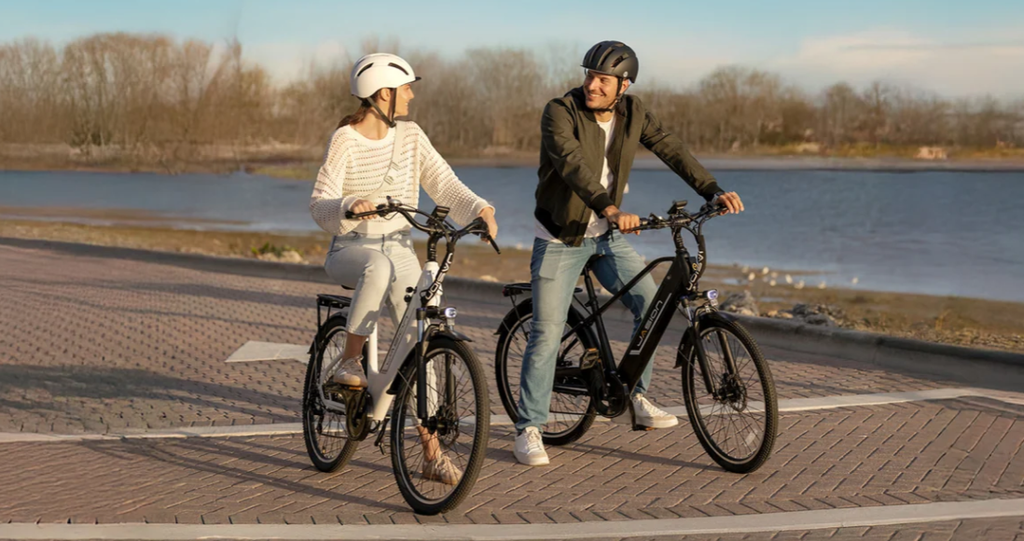
(Jasionbike commuter ebikes)
Start With Door to Door Time
Distance gives an incomplete picture of a commute. Two routes of the same length can demand very different amounts of time and attention.
One may follow a continuous cycle lane with a secure bike room at the end. The other may include six traffic lights, a railway crossing, a steep ramp, and five minutes spent finding somewhere safe to lock. The second route may look short on a map and still feel tiring every morning.
Time the complete trip. Begin when you leave the house and stop when you are ready to sit down at work. Include unlocking the bike, moving it out of storage, attaching a bag, parking, removing anything valuable, and changing clothes if needed.
Then compare that number with the full car or transit journey. A car commute includes walking from the parking space and dealing with traffic. A train journey includes the wait and the trip to the station. The useful comparison is door to door, on an ordinary weekday.
This exercise also shows where an ebike can help. Assistance may make a hill or headwind less demanding, but it cannot shorten a slow elevator ride or solve insecure parking. Those practical details deserve attention before the purchase.
Map the Friction Points
Ride or walk the proposed route before choosing a bike. Look for the moments that interrupt a steady trip.
Common friction points include rough pavement, narrow gates, awkward curb cuts, gravel shortcuts, busy junctions, and places where a bike lane ends without warning. A route may also change by time of day. The quiet street seen on Sunday afternoon can be crowded with delivery vehicles on Monday morning.
Mark each point on the map and decide what it asks from the bike. A rough section may favor wider tires or some suspension. A tight gate may make a very wide handlebar inconvenient. A steep ramp out of underground parking can make smooth low speed assistance more valuable. Frequent stoplights put more emphasis on predictable starts and confident braking.
The route can sometimes be improved more cheaply than the bike. Adding three minutes to avoid a hostile junction may make the ride calmer. A parallel residential street may offer a better surface. A secure cycle hub two blocks from the office may be preferable to a flimsy rack at the entrance.
Three Jasion Answers to the Same Commute
JasionBike does not treat every commuter as the same rider. Its current commuter range includes a conventional step-through ebike, an electric trike, and a more substantial utility-minded model. Looking at those formats side by side is more useful than asking which bike has the biggest number on the product page.
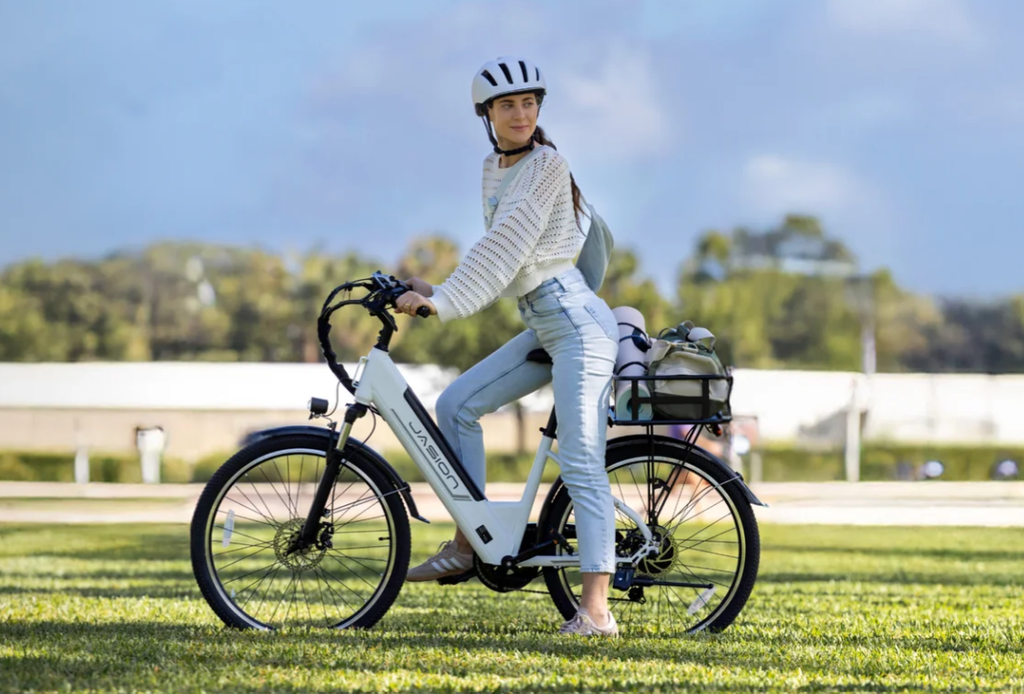
The Jasion EB5 Roamer ST is the most familiar city-bike option of the three. Its step-through frame makes frequent stops and dismounts easier, while the removable battery suits riders who need to charge away from the bike. Jasion offers rear-rack and pannier options for carrying gear, and the bike’s lighting system includes brake and turn signals. That combination makes it a sensible starting point for ordinary work trips, errands, and paved urban routes.
(Jasionbike EB5 Roamer ST ebike)
The JT18 changes the question. As an electric trike, it is aimed at riders who value three-wheel stability and carrying practicality more than the feel of a conventional bicycle. It may suit someone who makes frequent stops, carries groceries or work items, or simply feels more confident with a trike layout. Its width and turning behavior also make a route rehearsal especially important: narrow gates, crowded cycle storage, and tight paths can matter more than distance.
The Kago sits at the more utility-focused end of Jasion’s commuter selection. It makes more sense for a rider whose day mixes commuting with heavier loads, longer errands, or other practical jobs. That extra capability must still fit the home and workplace. A larger bike is only useful when the rider can store, secure, and maneuver it without turning every departure into a chore.
None of these is automatically the “best” Jasion ebike. The EB5 Roamer ST is the natural first look for a familiar two-wheel commute; the JT18 answers a stability-led need; and the Kago is the stronger utility proposition. The route, storage space, and daily load should make the final call.
Let Storage Shape the Choice
Bike weight is easy to ignore online because it rarely appears in glamorous photographs. It becomes important when the rider meets a staircase.
Walk through the storage routine with an object of similar size in mind. Measure doors, hallways, elevator space, wall hooks, and vehicle racks. Check whether the bike must be lifted over a step or turned sharply inside an apartment. If a rack is involved, confirm its total weight limit and compatibility with the frame and tires.
A heavier ebike may feel stable on the road and still be the wrong match for a third floor flat. A lighter model may be worth more than extra battery capacity when it must be carried twice a day. Riders with ground level storage have more freedom to choose around comfort, cargo, and road conditions.
Battery access matters too. A removable battery can simplify charging when the bike is stored away from an outlet. The removal process should be easy enough to repeat without wrestling with a key or lifting the bike into an awkward position.
Carry Work Without Wearing It
A backpack is convenient for a short test ride. After several warm commutes, it may feel less appealing.
List what travels with you on a normal day. A laptop, charger, lock, rain layer, lunch, and water bottle can add more bulk than expected. Some riders also need work shoes, gym clothes, tools, or groceries on the way home.
A rear rack with a compatible pannier can move that load off the rider’s shoulders. A basket may work for casual items, but it needs a secure attachment and enough control to keep the load from shifting. Delicate electronics should be protected from rain and repeated vibration.
Check the bike manufacturer’s accessory guidance before buying a rack, basket, or child carrying product. Frame shapes, mounting points, wheel sizes, and load limits differ. An accessory that appears universal may interfere with the heel, brakes, cables, or battery removal.
The lock also belongs in the carrying plan. A serious lock is heavy, and a second lock may be sensible in a high risk location. Decide where they will ride on the bike so they do not swing, rattle, or damage the frame.
Plan Charging Around Real Habits
Range estimates are useful for comparison, but the commute needs a practical buffer. Hills, temperature, wind, rider weight, tire pressure, cargo, speed, and assistance level all affect energy use.
Start with the round trip distance and add room for a detour or missed charge. If the route sits close to the listed maximum range, the plan is too dependent on ideal conditions. A rider should be able to get home on a cold, windy day without watching the battery display for the final miles.
Charging should fit an existing habit. It might happen after arriving home, while preparing dinner, or on set evenings each week. Use the supplied or manufacturer approved charger and follow the instructions for ventilation, temperature, and storage. Avoid charging a battery that is damaged, swollen, unusually hot, or wet.
Office charging should never be assumed. Ask first, use an approved location, and consider whether carrying the charger every day is realistic. In many cases, choosing enough capacity for the full round trip creates a cleaner routine than depending on access to a workplace outlet.
Test the Riding Position
A quick spin around a shop can show whether the motor works. It does not show whether the bike fits a Monday morning.
Stay on the test ride long enough to notice the wrists, shoulders, lower back, hips, and knees. Try the riding position you would actually use in traffic. Check whether you can look behind without feeling off balance and whether the controls are easy to reach while keeping a firm grip.
Practice the slow parts. Start on a slight incline. Make a tight turn. Stop smoothly and put a foot down. Walk the bike without assistance. Reverse it through a doorway. These actions often matter more during a commute than a brief burst of speed on an open road.
Brake feel deserves close attention. The response should be predictable rather than abrupt, especially when the bike carries work gear. Tires should suit the surfaces on the route, and their pressure should stay within the approved range. Very soft tires can make steering vague, while excessive pressure can make broken pavement uncomfortable.
Build a Wet Morning Plan
Fair weather makes almost any commuting idea look easy. The useful plan covers the morning when the road is wet and the forecast changes before lunch.
Full length fenders can reduce spray from the tires. Front and rear lights improve visibility in dull conditions, even during the day. Reflective details help drivers notice movement from the side. A waterproof bag or cover protects work items when a shower arrives unexpectedly.
Clothing does not need to become complicated. A breathable rain layer, gloves suited to the temperature, and a place to keep spare socks may be enough. The office end of the trip needs a simple arrangement for wet gear so that it can dry before the ride home.
Wet paint, leaves, metal covers, and loose grit can reduce traction. Slow before reaching them, keep the bike upright where possible, and avoid sudden braking or steering. Wider tires and suspension may improve comfort on rough roads, but no equipment removes the need for extra space and lower speed in poor conditions.
Every commuter should also have a backup. That may be transit, a lift, or working from home during severe weather. A backup does not weaken the case for an ebike. It keeps one difficult day from disrupting the whole routine.
Check the Rules Where You Ride
An ebike’s legal classification can affect where it may be used, whether a throttle is permitted, and what equipment or registration is required. The rules differ by country and can also vary by state, city, trail manager, or landowner.
Check the motor rating, assisted speed, and control system against the rules that apply to the route. This is especially important when buying from an international website, since a model sold legally in one market may fall into a different vehicle class elsewhere.
The route matters as much as the home address. A bike allowed on public roads may face different restrictions on a trail, campus, or private development. Confirm the current rules with the relevant transport authority or land manager before relying on a route for daily travel.
Run the Morning Test
Before committing to the routine, rehearse it.
Leave at the normal time with the usual bag. Follow the intended route and use the planned parking location. Notice where time disappears, where the bike feels awkward, and what you forgot to carry. If possible, repeat the test in the evening when traffic, light, and energy levels are different.
The best result is uneventful. The bike comes out of storage without a struggle. The bag stays secure. The route feels predictable. Parking takes a minute, and the rider arrives ready for the day rather than needing to recover from the trip.
That is what makes a Jasion ebike useful for commuting. The right model fits into the morning so well that the ride stops feeling like a project. Specifications help narrow the choice, but the routine is what decides whether the bike gets out the door again tomorrow.