Disclaimer: This article is not intended to be a recommendation. The author is not responsible for any resulting actions of the company during your trading experience. The information provided in this article may not be accurate or up-to-date. Any trading or financial decision you make is your sole responsibility, and you must not rely on any information provided here. We do not provide any warranties regarding the information on this website and are not responsible for any losses or damages incurred as a result of trading or investing.
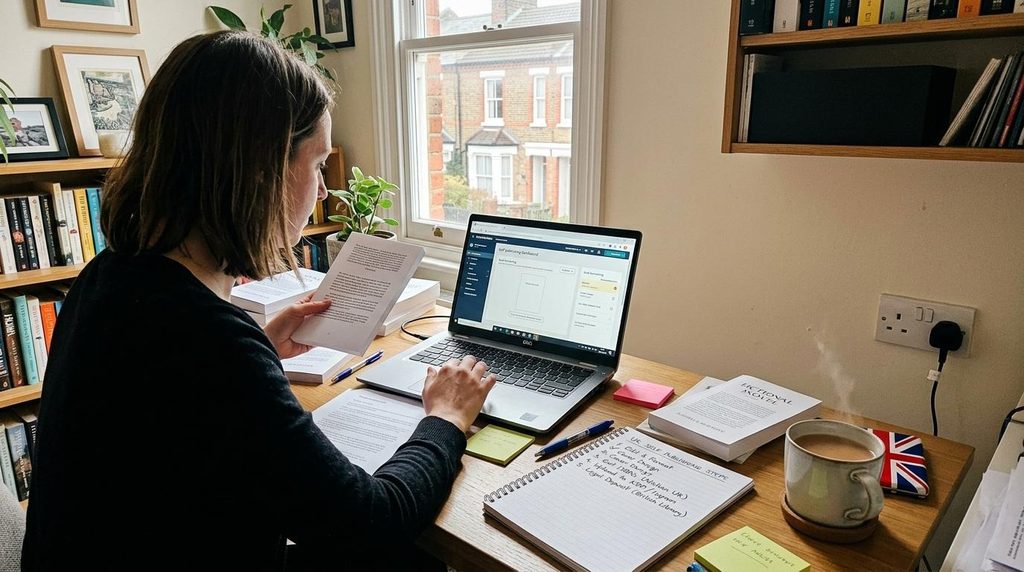
How to Self-Publish a Book in the UK (Step-by-Step)
Self-publication means that UK authors have control over their book right from the stage of writing the manuscript to setting the price for the book and its distribution and marketing. But not planning all these stages might result in mistakes and delays. Thus, an author can benefit from following certain steps before, during, and after publication.
What Should You Do Before Self-Publishing a Book?
First, one needs to ensure proper preparation of the manuscript. The manuscript needs to be written, and afterward, it should be checked for its structural integrity, consistency, grammatical errors, and readability. Professional editing and proofreading may reveal such issues that could be missed by the author alone.
Next, authors need to determine what kind of book they are publishing and to whom it will be published. These issues will determine the book cover, description, format, price, and marketing strategy of the book. It will make further publishing easier.
How Can You Prepare Your Book for Publication?
Once the manuscript is complete, the next stage is book preparation. This normally includes editing, proofreading, interior formatting, cover design, and preparation of the final files. The book should be checked carefully on the intended reading format before it is uploaded to a publishing platform.
The cover should communicate the genre and subject clearly while remaining suitable for the target audience. Interior formatting should also be consistent, with appropriate fonts, spacing, margins, chapter headings, and page elements. For digital editions, the layout may need to be adapted for different screen sizes and devices.
Which Publishing Format Should You Choose?
There are several modes through which authors can publish their books based on their intentions and the audience. Books written can either be published as print books in either paperback or hardback format, or as an ebook. Another alternative is the publication of audiobooks.
| Publication Format | Recommended For | Main Factor |
| Paperback | General consumers and paperback purchasers | Book layout and cover size |
| Hardcover | Special editions and presentation copies | Costly to produce |
| eBook | Digital consumers and worldwide distribution | Digital layout considerations |
| Audiobook | Consumers who like listening | Professional narration quality |
Selecting several formats increases the range of audiences who may be reached; however, every format requires proper preparation. The author has to take into account such factors as budget, genre, intended audience, and distribution plans.
How Do You Publish Your Book on Digital Platforms?
After the files are prepared, authors can upload their books to suitable publishing platforms. One widely used option is Amazon Kindle Direct Publishing, commonly known as KDP. It allows authors to publish digital and print books and make them available to readers through Amazon marketplaces.
Before uploading, authors should check the platform’s current requirements for manuscript files, cover specifications, metadata, pricing, and distribution. A carefully prepared title, description, author information, and relevant categories can also make the book easier for readers to discover.
What Role Does Metadata Play in Self-Publishing?
Metadata includes information such as the book title, subtitle, author name, description, categories, and keywords. Accurate metadata helps platforms understand what a book is about and can improve how easily potential readers find it.
Authors should select relevant categories and use descriptive keywords that reflect actual reader searches. The book description should explain the main value or story without making misleading claims. These details should remain consistent across the author’s publishing and promotional channels.
How Can You Reach More Readers After Publication?
Publishing the book is only one part of the process. Authors also need a plan for attracting readers. Building an author website, maintaining social media profiles, collecting legitimate reviews, and creating useful promotional content can support long-term visibility.
British Self Publishing can be considered when authors need structured assistance with different stages of the publishing process. Professional support may be useful for authors who are unsure about formatting, distribution, production, or promotional requirements.
Authors should also consider how their book will be presented to potential readers after publication. A clear book description, professional cover, relevant categories, and accurate metadata can help create a stronger first impression. Consistent promotional activities can also keep the book visible over a longer period.
Another useful approach is to understand where the target audience normally discovers and purchases books. Authors may promote their work through websites, social media, newsletters, online communities, and suitable book-related platforms. Choosing channels that match the intended readership can make promotional efforts more focused.
Authors interested in expanding beyond written editions can also explore eBook Publishing options. A properly prepared digital edition can make a book accessible to readers using smartphones, tablets, e-readers, and computers. Kindle is particularly relevant for authors targeting readers who use Amazon’s digital reading ecosystem.
When Should Authors Consider Audio Editions?
Authors should consider an audio edition when they want to make their book available to people who prefer listening rather than reading. This format can provide an additional way to connect with readers and expand the book’s accessibility.
Audiobooks can provide another way to reach an audience and may be especially useful for readers who listen while commuting, exercising, or completing daily tasks. Authors should consider narration quality, audio production, chapter organization, and distribution requirements before creating an audio edition.
For authors who want to make their books available in this format, audiobook Publishing services can provide assistance with production and related requirements. The decision should depend on the book’s audience, genre, budget, and long-term publishing strategy rather than simply following a trend.
How Can You Avoid Common Self-Publishing Problems?
Many publishing problems can be reduced through careful planning and quality checks. Authors should review every file before publication, confirm that metadata is accurate, check pricing and distribution settings, and order a proof copy when producing a print edition.
It is also important to keep organized versions of the manuscript, cover files, publishing information, and marketing materials. Rushing the publication process can result in formatting errors or incorrect information becoming publicly available. A final checklist can help catch issues before the book reaches readers.
Where Can You Get Help With the Publishing Process?
This does not imply that the authors need to do everything technically by themselves. There are specialists like editors, proof readers, designers, formatters, narrators, etc., who can help the authors according to their requirements.
To know more about publishing help in UK, please log onto:
www.britishselfpublishing.co.uk
What Is the Best Way to Start Self-Publishing?
The best approach is to treat self-publishing as a structured process rather than a single upload. Start with a polished manuscript, prepare professional files, select appropriate formats and distribution channels, create accurate metadata, and develop a realistic marketing plan.
By working through each stage carefully, UK authors can reduce avoidable mistakes and create a stronger foundation for reaching readers. Whether publishing a first book or building a larger catalogue, good preparation, quality control, and informed decisions can make the self-publishing journey more manageable.
Conclusion
The process of self-publishing a book in the UK is made simpler when each step is undertaken properly. From preparing the manuscript to formatting and publishing the book to selecting an appropriate platform, format, metadata, and marketing strategy for it, every aspect may affect the performance of the book. The author can do everything by himself or may seek assistance from professionals wherever necessary. Following the process of publishing and ensuring that all the materials are checked before releasing the book, the writer can prevent making any errors in the process.