Disclaimer: This article is not intended to be a recommendation. The author is not responsible for any resulting actions of the company during your trading experience. The information provided in this article may not be accurate or up-to-date. Any trading or financial decision you make is your sole responsibility, and you must not rely on any information provided here. We do not provide any warranties regarding the information on this website and are not responsible for any losses or damages incurred as a result of trading or investing.
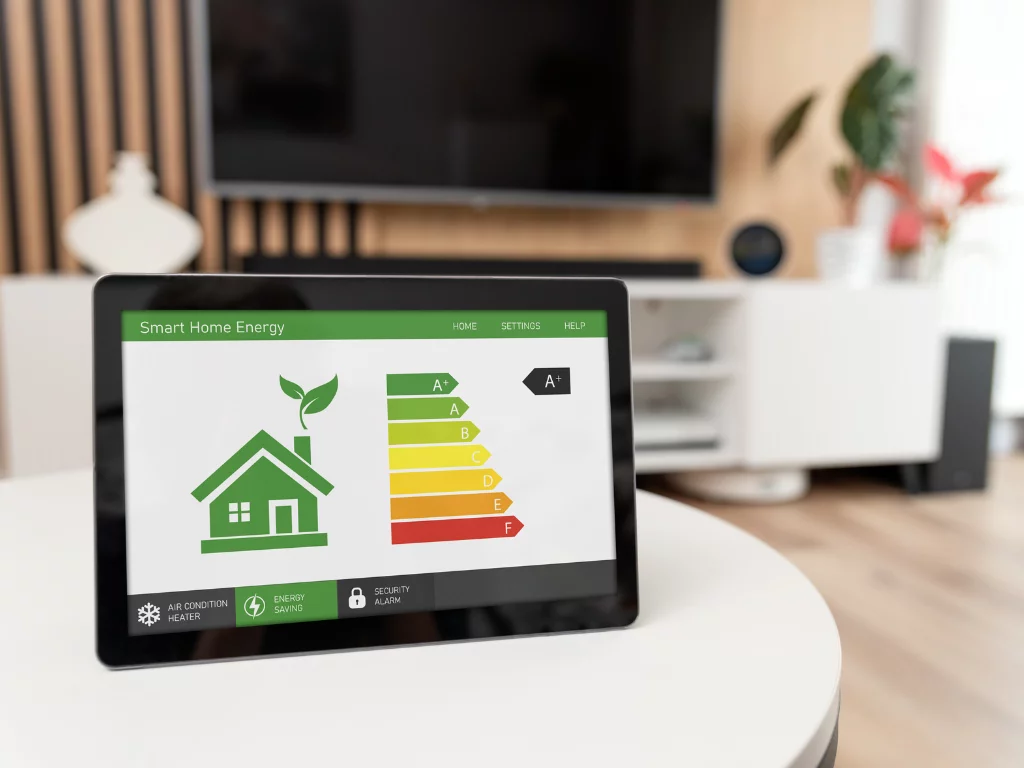
Image Source: Yandex.com
A Domestic EPC Certificate in London is one of the first documents landlords should check when preparing a property for rent. If your EPC has expired, your property does not have a valid certificate, or you are unsure whether the existing certificate still applies, arranging an assessment early can prevent unnecessary delays when you put the property on the market.
An Energy Performance Certificate gives a property an energy efficiency rating from A to G and provides recommendations for improving its energy performance. In England and Wales, an EPC is generally valid for 10 years and can be reused during that period, provided it remains valid and has not been replaced by a newer certificate. Government guidance also requires an EPC to be commissioned before a property is marketed for sale or rent when there is no valid EPC in place.
An EPC also forms part of the wider rules governing energy efficiency in privately rented homes for landlords. Properties covered by the Domestic Minimum Energy Efficiency Standards (MEES) generally cannot be let or continue to be let with an EPC rating below E unless a valid exemption applies.
Do Landlords in London Need an EPC?
Most domestic rental properties that are legally required to have an EPC need a valid certificate when they are marketed for rent. If your property already has a valid EPC, you normally do not need to commission another one simply because a new tenant is moving in. An EPC remains valid for 10 years and can be reused during that period.
Before booking a new assessment, check whether the property already has an EPC. The official government service allows you to search for an existing certificate using the property postcode, street name and town, or the certificate number.
This is a worthwhile first step because landlords sometimes arrange a new assessment when a perfectly valid EPC already exists. If the certificate has expired or the property does not have one, you will need to arrange a new assessment with an accredited energy assessor.
What Is an EPC and What Does It Tell a Landlord?
An EPC measures the energy efficiency of a property using a standard A to G rating. A represents the most energy-efficient rating, while G represents the least efficient.
The certificate also provides recommendations that can help improve the property’s energy performance. These recommendations may highlight measures relating to insulation, heating, lighting or other features that influence the property’s calculated energy efficiency.
For landlords, the EPC provides useful information when reviewing the condition and energy performance of a rental property. It can also help identify areas that may need attention before a property is marketed.
It is important to understand what an EPC does not do. An EPC is an energy assessment, not a structural survey, property valuation or general condition report. It should not replace other inspections and certificates that may apply to a rental property.
How Do You Obtain an EPC Certificate in London?
The process starts with arranging an assessment with an accredited domestic energy assessor. It is confirmed that an EPC must be produced by an accredited energy assessor who belongs to a government-approved accreditation scheme.
You can use the government’s service to find an accredited assessor in England and Wales. Once you have chosen an assessor, you arrange a suitable appointment and provide the correct property details.
The assessor then visits the property and gathers the information required to produce the certificate. The assessment focuses on the building and its fixed features rather than the personal habits of the people living there.
After the assessment, the assessor produces the EPC and provides a digital copy. The certificate is lodged on the official EPC register, allowing the property’s energy certificate to be accessed through the government service.
What Should You Prepare Before the Assessment?
You do not need to carry out energy improvements simply to prepare for an EPC assessment. The assessor needs to assess the property as it currently exists. The most useful thing you can do is make sure the assessor can access the relevant areas of the property. Depending on the building, this may include rooms, heating equipment, the boiler, meter cupboard and accessible loft areas.
If a tenant currently occupies the property, arrange access with them in advance. Giving the assessor clear access can help avoid delays or the need for a second visit.
It can also help to have relevant property information available. If you have documentation or reliable information about insulation, heating systems or improvements that may affect the assessment, make it available to the assessor where appropriate. Most importantly, provide accurate information when you book. The correct property address, property type and access arrangements help the assessor prepare for the appointment properly.
How Long Does an EPC Assessment Take?
The assessment time varies according to the property. A small flat will generally have different requirements from a large house with multiple rooms, heating systems and other features to assess.
The certificate itself should not be something you leave until the last minute. If you are preparing a property for a new tenancy, arrange the assessment early enough to allow time for the visit and certificate to be completed before marketing.
Government guidance states that where a building does not already have a valid EPC, the certificate must be commissioned before the property is put on the market.
Planning ahead becomes particularly important if the property is vacant and you are working towards a specific letting date. An early assessment gives you time to review the rating and deal with any issues that may arise.
What EPC Rating Does a Rental Property Need?
For landlords, the EPC rating can have direct implications for whether a property can be legally let.
Under the current Domestic MEES rules, landlords generally cannot let or continue to let a property covered by the regulations where its EPC rating is below E, unless a valid exemption applies.
If your property receives an F or G rating, do not assume that you can simply proceed with the tenancy. First check whether the property falls within the MEES regulations and whether an exemption applies.
Where improvement is required, the EPC recommendations can provide useful information about measures that may improve the property’s energy performance. The government guidance also sets out the circumstances in which landlords can register exemptions and the evidence they may need to provide.
This makes the EPC particularly important for landlords. It does not simply tell you the property’s current energy rating; it can also help you understand what action may be needed.
How Long Does an EPC Remain Valid?
An EPC is generally valid for 10 years. You can reuse a valid EPC during that period when the property is sold or rented, so landlords do not normally need to obtain a new certificate for every tenancy.
However, always check the certificate’s expiry date before marketing a property. If the EPC has expired, arrange a new assessment rather than assuming the previous certificate remains valid.
Landlords who have made substantial energy improvements may also choose to obtain a new assessment so that the certificate reflects the property’s updated features. A new certificate will replace the previous certificate on the register.
What Happens After the EPC Assessment?
Once the assessor completes the assessment, the EPC is produced and lodged on the official register. You should receive a digital copy that you can keep with your property records.
If you are letting the property, you should make the EPC available to the prospective tenant as required. Government guidance states that the EPC must be provided free of charge to the person who becomes the tenant.
If the property meets the applicable minimum standard, you can continue with your letting arrangements. If it receives an F or G rating and the MEES regulations apply, you should establish what improvements or exemption options are available before proceeding.
Keeping the certificate and related property records organised can also make future lettings easier. When the next tenancy begins, you can check the existing EPC rather than starting the process again unnecessarily.
Why Choose EPC Certs for a Domestic EPC in London?
For landlords, arranging an EPC should be a straightforward part of preparing a property for rent. EPC Certs provides domestic EPC assessments for houses and flats across London and focuses on making the process clear from booking through to certification.
Domestic EPC prices start from £89 for 1–3 bedroom properties, with larger properties priced according to the number of bedrooms. EPC Certs uses fully qualified, accredited and insured EPC assessors, and completed certificates are lodged on the official UK EPC Register.
The service also offers flexible appointment options and fast turnaround, with same-day or next-day EPC delivery available subject to availability. The completed certificate is delivered digitally, making it easy for landlords to keep and share when required.
If you need a Domestic EPC Certificate in London, EPC Certs can help you arrange the assessment and complete the certification process without unnecessary complications.
Final Thoughts
An EPC should not be an afterthought when you manage a London rental property. Start by checking whether your property already has a valid certificate. If it does not, arrange an assessment with an accredited assessor before you market the property.
Once you receive the certificate, check the rating, review the recommendations and make sure you understand any MEES requirements that apply to your property. If the rating falls below E, do not simply assume that the property cannot be rented; check the applicable regulations and exemption provisions carefully.
A well-managed EPC process gives landlords more than a certificate. It provides a clear record of the property’s energy performance and helps you meet the requirements that apply to your rental property.