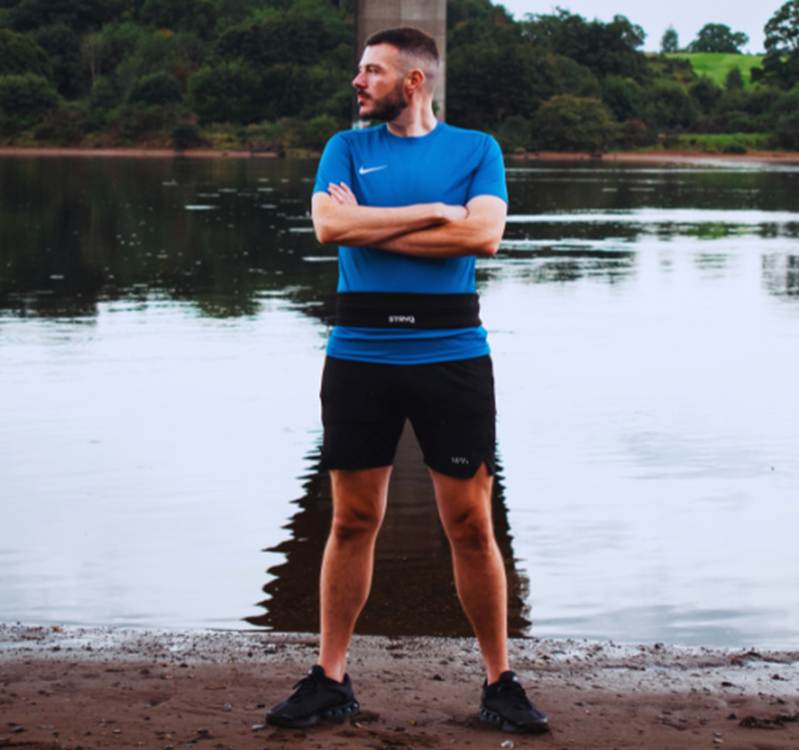
Signing up for your first half marathon is exciting. Then the training starts, the distances gradually increase, and you realise that the kit you happily wore for a quick 5K might not be quite as comfortable after 10 or 12 miles.
The good news is that you do not need to spend a fortune.
Running brands will happily sell you everything from carbon-plated shoes to expensive GPS watches, but most first-time half marathon runners need far less than they think. The important investments are the pieces of kit that improve comfort, help you carry what you need and reduce the little annoyances that become much bigger problems as your long runs get longer.
Here is the running kit actually worth considering when training for your first 13.1 miles.
1. Running Shoes That Suit You
Your shoes are the obvious place to start.
There is no single “best” running shoe for half marathon training. The right choice depends on your feet, running style, comfort and the surfaces you train on.
For most beginners, comfort should be the priority. You will spend a lot of time in your training shoes over the coming weeks, so do not choose something simply because it is fashionable or because an elite runner wears it.
If possible, try several pairs and pay attention to how they actually feel rather than becoming obsessed with technical specifications.
Most importantly, do not save brand-new shoes for race day. Your half marathon should not be their first proper outing.
2. Proper Running Socks
Socks are probably one of the most underestimated upgrades you can make when your mileage starts increasing.
You can get away with ordinary everyday socks on shorter runs. Once your feet are spending considerably longer inside running shoes, moisture, friction, seams and movement can become much more noticeable.
A good pair of running socks should be designed around the demands of running rather than simply covering your feet.
Look for breathable materials, a secure fit and cushioning in areas that take repeated impact. You want the sock to stay comfortably in position rather than bunching, slipping or creating unnecessary friction as the miles build.
This becomes particularly important during half marathon training because your long run will gradually expose problems that might never appear during a 20-minute jog.
A sock that feels completely fine over three miles can feel very different after ten.
3. Comfortable Running Shorts or Leggings
Half marathon training is not the time to tolerate clothing that rubs.
Running shorts, leggings or tights should allow you to move freely without constantly needing adjusted. Pay particular attention to waistbands, seams and the areas where fabric repeatedly contacts the skin.
Pockets are another useful consideration.
Once your long runs increase, you may want somewhere to carry a phone, key or energy gel. Secure pockets can make that easier, although runners carrying several items may eventually find a running belt or vest more practical.
As with shoes, test your planned race-day clothing on longer training runs. If something starts rubbing after eight miles, you want to discover that during training rather than halfway through your first half marathon.
4. Socks That Work With Your Race-Day Shoes
Your socks and shoes should really be considered as a combination.
Changing one can affect how the other feels. A thicker sock takes up slightly more room inside the shoe, while a thinner sock can make the fit feel different. That is why it makes sense to test your intended race-day socks with the exact shoes you plan to wear.
For runners who prefer a lighter colour, STRYQ’s white running socks are designed for running with breathable areas, cushioning and arch support.
If you prefer darker kit, the black running socks offer the same running-focused option in black.
Whichever you choose, wear them repeatedly before race day.
Nothing that touches your feet for 13.1 miles should be an experiment.
5. A Way to Carry Your Phone, Keys and Fuel
Your first few weeks of training might not require much storage.
Then the long runs arrive.
Suddenly you are leaving home for 90 minutes or two hours and may want your phone, keys, some fuel and perhaps a bank card.
Trying to hold everything is annoying, while overloaded pockets can bounce.
A running belt can be a simple solution if you only need smaller essentials. A running vest becomes more useful if your sessions require hydration, additional nutrition or extra clothing.
Whatever you choose, load it exactly as you intend to use it and make sure it stays comfortable when running.
6. A Running Top That Manages Sweat
A basic technical running top is one of the least exciting purchases on this list, but it can make a substantial difference.
Cotton absorbs sweat and can become heavy and uncomfortable. Technical running fabrics are generally designed to manage moisture and dry more quickly.
Fit matters too. Something that feels comfortable standing still may start rubbing after an hour of repeated movement.
Your long training runs are effectively dress rehearsals. If you are considering wearing a particular top for the race, give it at least one proper long outing first.
7. Anti-Chafing Protection
You may not need anti-chafing products when you first start training.
Then you run further.
Repeated friction from clothing, skin, sports bras, waistbands or other kit can become increasingly uncomfortable as the duration rises.
An anti-chafing balm can be a relatively inexpensive addition to your running kit. Apply it to areas where you know you are prone to rubbing before longer runs.
Prevention is much nicer than discovering the problem several miles from home.
8. A GPS Watch — Useful, but Not Essential
A running watch can be incredibly useful during half marathon training, but do not feel that you need the latest expensive model.
Even relatively basic GPS watches can track distance, time and pace. That makes them useful when your training plan asks for specific distances or when you are learning what different effort levels feel like.
Your phone can also track runs perfectly adequately if you are working with a limited budget.
A watch is convenient. It is not what gets you around 13.1 miles.
Training does that.
9. Hydration for Your Longer Sessions
Whether you need to carry water depends on the duration of your run, weather conditions, personal preferences and whether you have somewhere safe to drink or refill along the route.
Some runners plan routes past water fountains or home. Others carry a handheld bottle, soft flask or running vest.
Whatever system you choose, practise with it.
Race day should not be the first time you discover what drinking while running feels like.
It is also worth checking what your chosen half marathon provides at aid stations and where those stations are located.
10. Energy Gels or Another Form of Fuel
As your long runs become longer, you may also start experimenting with fuelling.
Energy gels are popular because they provide carbohydrate in a compact format, but they are not your only option. Some runners prefer chews, drinks or other foods.
Do not copy another runner’s strategy blindly. Your fuelling requirements depend on factors including how long you are running and what else you consume before and during the session.
Most importantly, test anything you intend to use during the race in training first. Finding out that a particular gel disagrees with your stomach at mile nine is not a race-day experience you need.
What Running Kit Do You Actually Need for a Half Marathon?
It is easy to make your first half marathon unnecessarily expensive.
Start with the things that have the biggest effect on comfort: suitable shoes, proper running socks and running clothing that does not rub. Then add storage, hydration and nutrition equipment as your training requires it.
You do not need to look like an elite athlete.
You need kit you have tested.
By the time race morning arrives, your shoes should feel familiar. Your socks should already have survived long runs. You should know where your phone and fuel are going, what you are drinking and which clothing combinations remain comfortable as the miles increase.
The best half marathon kit is rarely the most expensive.
It is the kit you stop noticing once you start running — leaving you free to concentrate on reaching that first 13.1-mile finish line.