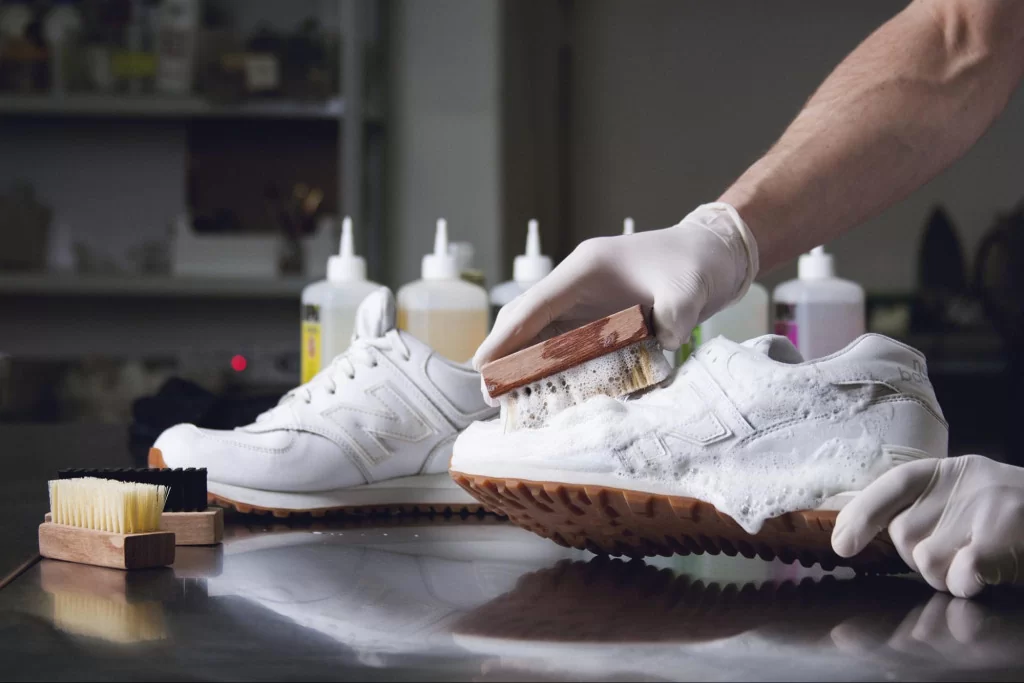
Image Source: Yandex.com
Your favourite shoes can quickly lose their original appearance through everyday wear, dirt, moisture and poor cleaning habits. The right care routine can help preserve their colour, shape, texture and overall condition, allowing you to enjoy them for much longer. A professional Shoe Cleaning Service London can also provide the appropriate treatment when footwear needs more careful or specialised cleaning.
In this blog, we discuss how to care for different shoe materials, remove dirt before it becomes difficult to treat, dry footwear safely, avoid common cleaning mistakes and protect frequently worn pairs between uses. You will also discover why professional shoe cleaning is the better option and how simple maintenance habits can help keep your favourite footwear looking its best for longer.
Start With the Right Care for Your Shoe Material
The most important shoe care tip is to find out what kind of material the shoes are made of before you begin cleaning. Leather, suede, canvas, mesh, synthetic and mixed material shoes can react in a lot of different ways to water, cleaning agents, and abrasive and friction.
Labels on footwear can be helpful in determining the materials the footwear is made of in the upper, lining and sole. Footwear labels provide information on the primary materials of these components, and knowing which primary materials a footwear is made from is a good place to start when deciding which footwear to use for cleaning.
Footwear labels can be helpful for considering the materials the footwear is made of in the upper, lining, and sale. Footwear labels offer inofm
Check the Manufacturer’s Care Guidance
Before applying any product, check the manufacturer’s instructions where available. Brand guidance can provide information to determine what cleaning processes, products or protective treatments are appropriate for a specific pair.
Especially for leather and suede shoes. Leather can come in a wide range of finishes and treatments, and not all will be suitable for all types of leather. The Leather Working Group also recommends that consumers ask for help when directions for particular care are not available.
Do not try strong household cleaning products just because they are readily available. A shoe product made for another surface could have an impact on the colour, finish or texture of your shoes.
Use the Right Cleaning Method
Start with the least aggressive method that is appropriate for the material. Gentle brush off before application of any cleaning solution and do not soak footwear unless specifically advised.
Test any product that is suitable for the material in a small inconspicuous space when valuables or delicate/familiar materials are involved. This will allow you to spot an unwanted colour change or reaction before applying to the exposed areas of the shoe.
Build Simple Shoe-Care Habits Into Your Routine
Good shoe care does not need to be complicated. Small, consistent habits can prevent dirt and moisture from becoming larger problems.
Remove Surface Dirt Regularly
Do not allow layers of dirt to build up between wears. As dirt dries on a shoe, it may take longer and more vigorous cleaning to remove it.
When shoes are worn outside, let loose dirt dry out (where possible) and gently brush it off with an appropriate soft brush or cloth. Be mindful of dirt collecting places such as soles, edges and stitching.
It is better to clean the shoes frequently than to let the shoes get very dirty. It helps to maintain a neat appearance of shoes and prevents the need for harsh treatments.
Dry Shoes Carefully After Wear
One of the most common causes of shoe damage is when moisture is mishandled. Any shoes that get wet should be dried in an airy space.
Avoid placing damp shoes directly against radiators, heaters or other intense sources of heat. Some materials, finishes and adhesives can be damaged by excessive heat exposure, and some types of footwear can alter in shape or condition if dried too quickly.
Where required, take out insoles and loosen laces to allow air flow. Never store wet shoes. Allow to dry completely before storage or re-use.
Give Different Types of Footwear the Care They Need
A single cleaning routine cannot suit every pair. The material, construction, colour and finish all influence how footwear should be maintained.
Leather and Suede
Proper cleaning and conditioning are the most important factors to consider when it comes to leather shoes; repeated use of harsh products is not. Clean off surface grime first, then specific leather cleaners, depending on the type of leather.
Suede, which has a more textured surface, needs even more care, as it can alter when it comes into contact with too much water or the wrong cleaning solution. Treat suede in a manner suited to it with an appropriate suede brush and according to the manufacturer’s recommendations, do not treat suede as smooth leather.
Professional cleaning can minimize the chances of harm to designer or especially valuable shoes from inappropriate home-cleaning.
Trainers and Fabric Footwear
Trainers often combine several materials, such as mesh, textile, rubber, synthetic panels and leather. This is because the construction makes it crucial to clean the material specifically.
Use manufacturer’s directions and take off any loose dirt prior to cleaning. Avoid automatically putting trainers in a washing machine. Shape, adhesives and individual materials can be affected by heat, agitation and long periods of moisture.
Wash the upper based on the material and wash the sole separately if applicable. This can help to control the water and minimize exposure to water.
Avoid Common Shoe-Cleaning Mistakes
Shoes often have trouble starting out with a positive attitude! Excessive water usage, over scrubbing, and using a noxious household stain removal can do more harm than the stain.
A common error is to do the same with all shoes. A process which is suitable for washable cloth might not be suitable for finished leather or suede. The other is trying to scrub a stain at home that is not moving easily and is causing friction, which could spread the stain.
Even powerful household detergents and bleach should not be used just because they seem to work on other surfaces. Materials in footwear may have different reactions and rough cleaning may influence colour and surface finishes.
Also, don’t keep shoes in moist or poorly ventilated areas. When completely dry, store shoes in a dry, clean and proper-ventilated area. Protecting the materials between wears is facilitated by good storage.
Give Frequently Worn Shoes Time to Rest
Wearing the same pair every day can increase exposure to moisture, dirt and repeated pressure. By allowing shoes to rest between wearings, the shoes can dry out and restore shape for the next wear.
Wear two or more pairs of shoes to help with regular shoe care. It also helps to decrease the wear and tear of one pair.
Store shoes away from unneeded wetness and use shoe trees or shoe supports as indicated for type of footwear. Some shoes can benefit from these to help the footwear stay in shape, especially if they’re worn frequently.
Know When Professional Shoe Cleaning Makes Sense
Home maintenance works well for routine care, but some footwear needs a more controlled approach. Professional cleaning can be particularly useful for delicate materials, stubborn stains, heavily soiled shoes, suede, leather and footwear with several different materials or finishes.
A professional cleaner can assess the construction and condition of the footwear before selecting an appropriate treatment. This matters because cleaning is not simply about removing visible dirt. The method must also protect the material and preserve the shoe’s appearance.
Professional care can also be a sensible choice when a pair is valuable, difficult to replace or particularly important to you. Attempting an unfamiliar cleaning technique can create avoidable damage, especially when the footwear requires specialist treatment.
Protect Your Shoes Between Cleaning
Cleaning is only one part of maintaining footwear. Prevention can make a significant difference to how quickly shoes become dirty or worn.
Use suitable protective products when the manufacturer recommends them, and keep footwear away from unnecessary exposure to rain, mud and other damaging conditions. Deal with marks promptly rather than allowing them to remain on the material for long periods.
Pay attention to the condition of the soles, stitching, laces and other components as well. Early repairs can prevent small problems from becoming more significant. If a sole begins to separate or a seam starts to fail, addressing it promptly can help preserve the rest of the shoe.
Make Shoe Care Part of Your Regular Routine
Keeping shoes looking their best does not require constant deep cleaning. The most effective approach is consistent care: remove surface dirt regularly, deal with moisture correctly, follow material-specific instructions and give frequently worn footwear time to rest.
For shoes that require deeper treatment, professional cleaning can provide a safer alternative to experimenting with unsuitable products at home. This is particularly relevant for delicate, designer or mixed-material footwear where the wrong technique can permanently affect the finish.
Snow White Laundry and Dry Cleaning in London provides professional shoe cleaning and restoration for different types of footwear, including trainers, suede and luxury leather. Its service uses material-appropriate cleaning methods and specialist products, with particular care for delicate and designer shoes.