Disclaimer: This article is not intended to be a recommendation. The author is not responsible for any resulting actions of the company during your trading experience. The information provided in this article may not be accurate or up-to-date. Any trading or financial decision you make is your sole responsibility, and you must not rely on any information provided here. We do not provide any warranties regarding the information on this website and are not responsible for any losses or damages incurred as a result of trading or investing.
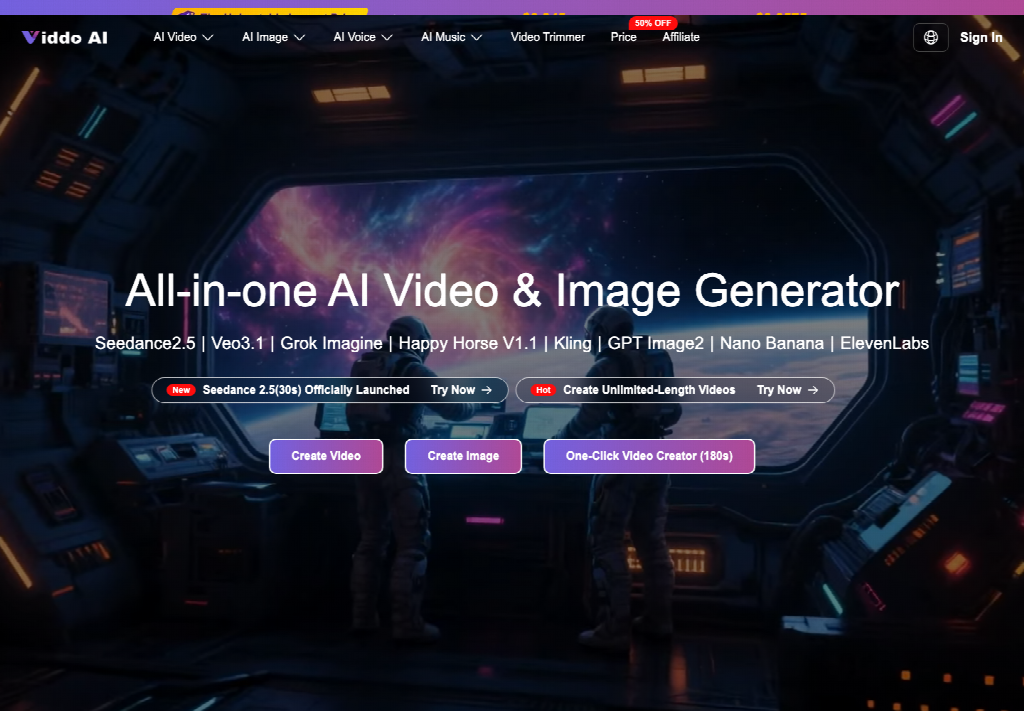
Theatre night sheets already named the cast. Programme desks that cannot redraw an artist still have to fill a motion slot, and viddo image to video only helps if that still stays the same person when the camera starts to travel.
Sheffield pages already work this way. An amateur company at The Montgomery sells one poster. A folk score interview sells one face. The useful test asks whether the fold in the foyer still matches the file on the homepage after someone hits Extend.
Keep The Poster On The Night Sheet
The object is one cleared still: the printed poster, the named lead, the venue line the workshop already set. A Sheffield listing can pan across that paper. It cannot add a name the workshop never cleared. Montgomery already sold one face on the night sheet. A chorus that never made the fold is a different booking.
When the jaw on the homepage tile no longer matches the fold in the foyer, the digital card comes down and the company gets a call. That afternoon is apology, not a lighting argument. The night sheet is the contract. The loop stays inside it.
Prepare The Still And The Reference Slots
Start with the file the printer used. Crop to the live homepage tile before anyone writes a prompt. If the site card is square, crop square. If the listing strip is wide, crop wide. Do not ask the generator to invent margin. Invented margin is where a second face usually arrives.
Arts listings already lose a morning when the card and the fold disagree. A company that handed over one still expects that still back. If the desk uploads a rehearsal grab because the poster PDF is “too flat,” the generator will invent cheekbones the makeup chair never painted. That file then needs a new approval the night sheet cannot give.
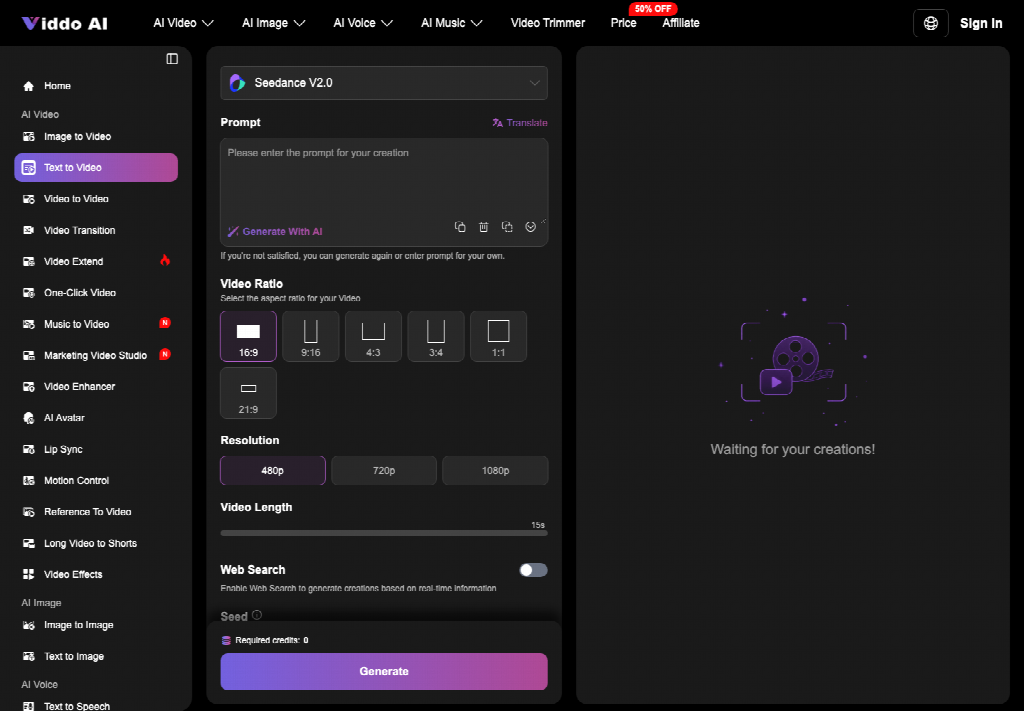
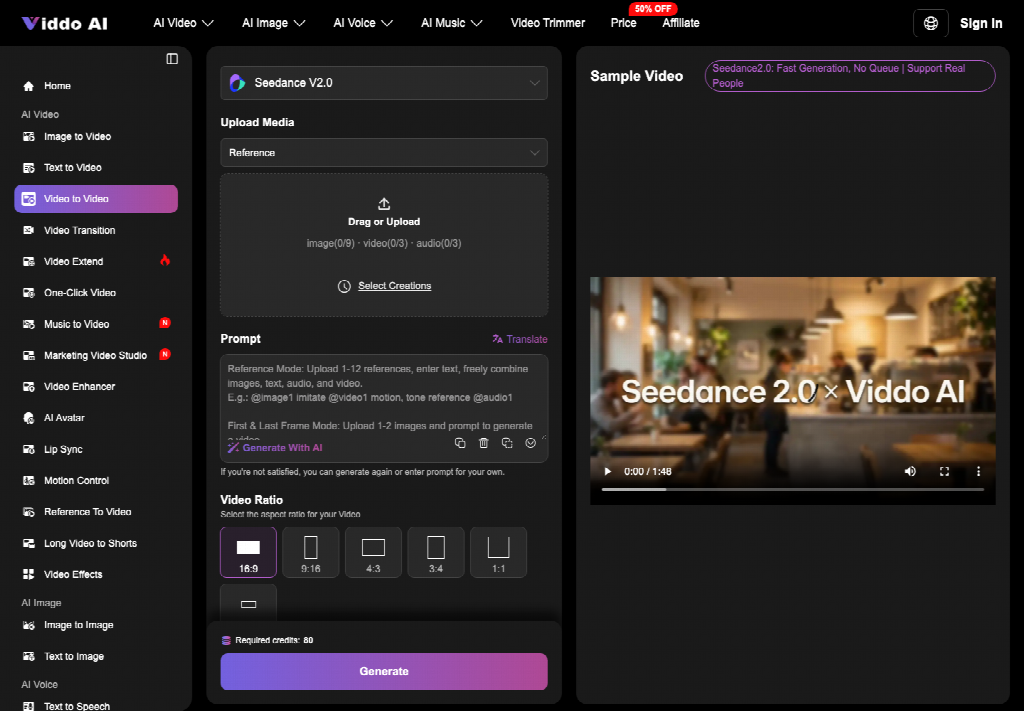
Reference slots on the panel read image(0/9), plus smaller video and audio counters. For a programme desk that means one job: load the cleared poster, not a collage of three productions. Extra stills invite a hybrid cast. Leave video and audio empty unless the company already signed those files.
Load One Cleared Poster Not A Cast Collage
One poster is a contract. A zip of rehearsal phones is a moodboard the lawyer never saw. If a second chin enters the frame, the magazine has published a different show. Keep the upload boring. The prompt can say the camera eases in. It cannot say “full company energy.”
Run Image To Video In Three Official Steps
The Image to Video page publishes a short path. Upload the image. Pick the motion you actually want — a slow push, a mild pan, not a style sampler. Press Generate, then preview and download. Generation is often under a couple of minutes. That is the whole official chain. Viddo AI does not add a legal pass. The desk still has to hold the fold beside the export.
Write the prompt after the crop, not before. “Same poster, slow push, no extra people, title stays readable” is a brief. “Make it feel like opening night” is an audition. The second sentence is how a crowd appears in a doorway the printer left empty.
Keep effects boring on purpose. A mild push that leaves the title readable beats a zoom that slams into the lead’s teeth. The page offers motion choices. The listing only needs one. Stacking them is how type shears and a second prop grows out of the dark edge.
- Upload the same poster file the printer already used.
- Pick one quiet move. Skip a stack of effects that fight the type.
- Generate, then put the file on the fold before anyone posts.
Upload The Same File The Printer Already Used
JPG or PNG is enough. The page accepts common still formats. A screenshot of a Facebook cover is not the printer file. Compression already chewed the title. Animating that mush makes the venue line unreadable by the third second. Fix the still first, or stay still.
Generate Then Compare Against The Fold
Do not approve in the wide preview alone. Drop the export onto the homepage crop and onto a phone-sized card. If the title that sat in the margin becomes the hero, you cropped twice. Viddo AI will fill the new edges. Those edges are usually a second prop or a softened face. That is a reject, not a polish pass.
Stop Extend Before It Writes A Second Act
Extend sits under a finished clip. It can lengthen a piece made from a still or from text. The jump is automatic: the last file loads into “Video to be extended,” you type the next action, you press Generate, and you wait a few minutes. Compatible models include Veo 3.1. The page talks about unlimited duration. For a night sheet that is the danger, not the feature.
A poster has one act. The foyer card cannot host a walk to the door, a second costume, and a curtain call. Those are new facts. If the company wanted a trailer, they would have signed a trailer. Programme motion that keeps growing is how a listing becomes a short film the reviewer never agreed to run.
Each Extend costs minutes and another chance to drift. The guide says a pass can take three or four minutes. That is cheap compared with a company email at 5 p.m. asking who the extra person is. If the first clip already holds, stop. Extra length is a different commission.
Keep The Prompt Inside The Same Poster
The extend box should repeat the same clothes, the same title treatment, the same empty doorway. “The lead turns slightly, light holds, no new people” can continue a still. “The company enters and the overture starts” writes act two. After each Extend, compare again. If a second face appears, stop. Download nothing. The night sheet did not list that person.
Prompts stay short. The page suggests staying well under a long essay. A foyer card does not need eight hundred characters. It needs the same poster, one more second of the same light, and a refusal to invent blocking.
Check The Fold Against The Live Crop
The last test is physical. Hold the printed programme next to the phone. Read the names. If the loop has a face the fold does not, the file never ships. If the venue line has melted, the file never ships. Those two signals beat any argument about atmosphere.
Common misses sit in a short list. None of them are taste notes. All of them send the card back to the still.
- A second actor or a crowd in a doorway the poster left empty.
- A title that became unreadable after the crop moved.
- An Extend beat that starts a walk the night sheet never staged.
- A hybrid chin that no longer matches the lead the company signed.
If any line hits, the tile stays still until morning. Quiet type on a real poster beats a glossy loop that invents a cast. The company can live with a static card. They cannot live with a stranger in the hero.
Hold The Night Sheet Before Curtain
Arts pages in Sheffield can use viddo when the still is already cleared and the move is small. They should not use it to grow a second act because the homepage felt quiet.
Keep the tool for one poster, one crop, one push, and a hard stop before Extend writes new blocking. If a producer wants a trailer, that is a different commission and a different sign-off. Viddo AI will move a locked still. It will not sit in the stalls and check the cast. That check stays on the desk that publishes the listing.
The magazine’s job is the same as the company’s: one show, one face, one foyer. A loop that respects that fold is usable. A loop that auditions extras is a different article, and it does not belong on the listing.