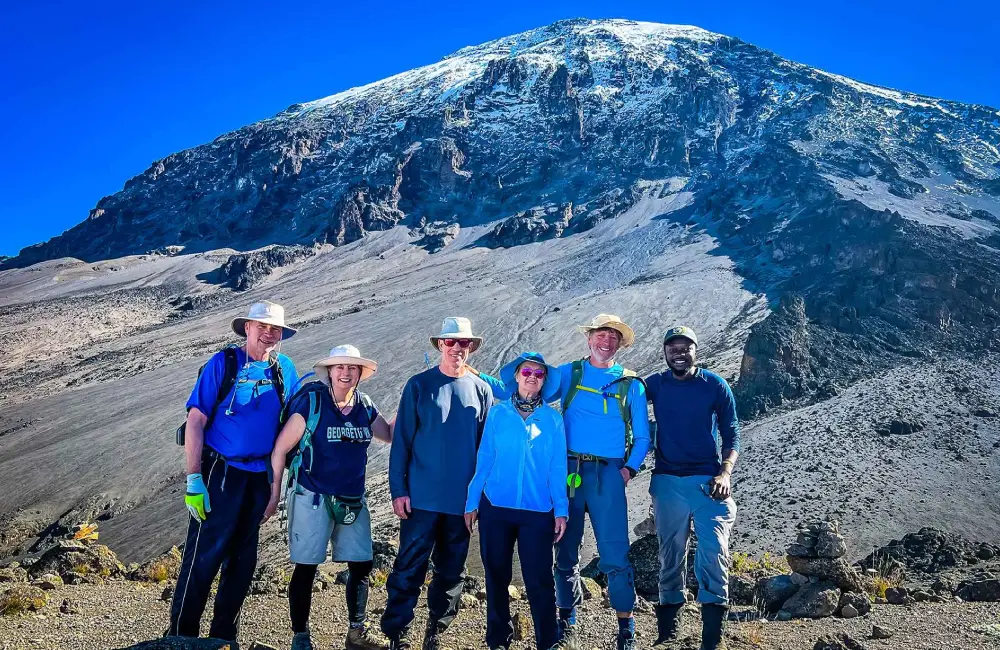
Most people planning a Kilimanjaro trip focus on one question: can I actually make it to the top? That’s fair, but it’s not really the hard part. The hard part is everything around it — picking from a handful of Kilimanjaro trekking tours that all look similar on paper, figuring out how many days you actually need, working out what your body will feel like at 5,000 meters, and then deciding what to do with the rest of your vacation once you’re off the mountain. A lot of couples are now stretching that “rest of the trip” into a Zanzibar honeymoon, and honestly, it makes a lot of sense once you see how the two halves of the trip complement each other. This guide walks through route selection, difficulty, packing, timing, and how to build a proper Kilimanjaro-to-Zanzibar itinerary without overcomplicating things.
Why Combine a Kilimanjaro Trek With Zanzibar?
There’s a rhythm to this pairing that works better than most people expect. Kilimanjaro asks a lot of you — early mornings, cold nights, tired legs, thinner air. Zanzibar gives almost the opposite: warm water, slow mornings, and nowhere you have to be. Tanzania happens to offer both within a short flight of each other, which is part of why this combination shows up so often in honeymoon planning. For couples especially, there’s something satisfying about doing the hard thing together first, then unwinding on a beach afterward rather than the other way around.
How many days should you allow?
Budget roughly 6 to 9 days for the trek itself depending on route, plus a day or two on either end for arrival, briefings, and gear checks. After summiting, most trekkers are running on limited sleep and sore muscles, so a full rest day before flying to the coast isn’t a luxury — it’s just practical. From there, four to seven days in Zanzibar is typical, though some couples stretch it longer if it’s genuinely their honeymoon and they’ve got the time.
Choosing the Best Kilimanjaro Route
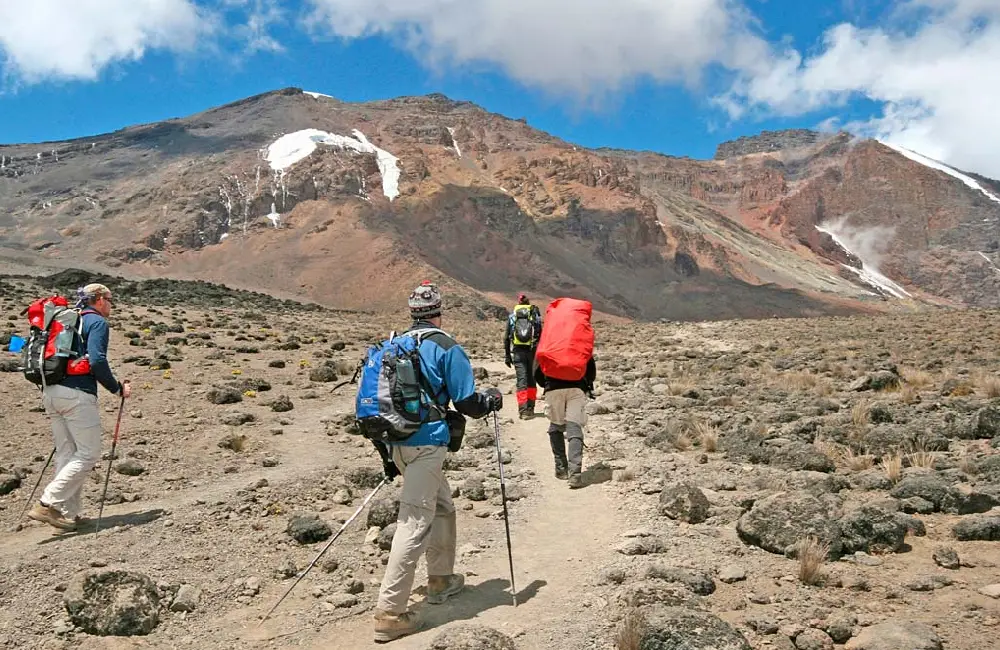
This is where most of the actual decision-making happens, and it’s worth taking seriously, because the route you pick shapes the entire experience — not just the difficulty, but the scenery, the crowd levels, and even the type of accommodation you’ll sleep in each night.
Machame Route
Machame is the one most people have heard of, and for good reason. It’s scenic, it winds through several distinct ecological zones, and it’s popular with hikers who want a proper adventure rather than a gentle stroll. Expect camping the whole way and a few genuinely steep sections that will test your legs, particularly around the Barranco Wall.
Lemosho Route
Lemosho takes a longer, quieter approach to the summit, which gives your body more time to adjust to altitude before things get serious. It’s often recommended to trekkers who have the extra days to spare and who’d rather trade a slightly higher price for better acclimatization and less crowded trails early on.
Marangu Route
Marangu is the odd one out because you sleep in huts instead of tents. That alone makes it appealing to people who aren’t keen on camping, though it’s worth knowing the trail itself is more direct and offers less time to acclimatize than some of the longer routes.
Rongai Route
Rongai approaches from the north, which means different scenery and noticeably fewer people on the trail. It’s a solid pick if you’d rather avoid the busier southern routes, even if the summit night is still just as tough as anywhere else.
Which route is best for you?
| Traveler priority | Route to consider |
| Scenic and popular | Machame |
| More gradual approach | Lemosho |
| Hut accommodation | Marangu |
| Quieter northern approach | Rongai |
There isn’t one best Kilimanjaro route for everyone. It really comes down to how many days you can spare, how your body handles altitude, whether you’d rather camp or sleep in a hut, and what your budget looks like once you factor in park fees and guide costs.
Kilimanjaro Trek Difficulty: What Travelers Should Really Expect
People often ask if Kilimanjaro is “hard,” and the honest answer is that the walking itself usually isn’t the problem — it’s the altitude. You’re not scrambling up rock faces or using ropes; you’re mostly just walking, often very slowly, for several hours a day. What makes it demanding is thinner air, long summit night hours in freezing temperatures, and the simple fact that being reasonably fit doesn’t guarantee your body will handle 5,000+ meters comfortably.
Altitude and acclimatization
Altitude sickness doesn’t care how many marathons you’ve run. Headaches, nausea, and disturbed sleep are common even among fit trekkers, and the best defense is a slow, well-paced ascent rather than raw fitness. Good guides will watch you closely, encourage steady hydration, and won’t hesitate to slow the group down if someone’s struggling. Listening to them, even when your ego wants to push faster, matters more than people expect going in.
What Does a Kilimanjaro Trek Usually Include?
Before booking anything, it helps to know what’s actually covered in the price versus what gets added on later. A reasonable package should include mountain guides, porters, meals during the trek, park fees and permits, and either camping or hut accommodation depending on the route. Airport transfers and a night or two of accommodation before and after the climb are also common inclusions, though not universal.
Questions to ask before booking
Rather than working through a checklist, just ask the operator directly: what exactly is covered in the quoted price, how many days does the itinerary actually spend on the mountain, what happens if someone develops altitude symptoms mid-trek, and is equipment available to rent if you don’t want to buy gear you’ll use once. The answers tell you a lot more about the company than the price tag does.
Best Time for Kilimanjaro and Zanzibar
Kilimanjaro’s driest, clearest conditions generally fall in the January–March and June–October windows, when trails are less muddy and visibility from the summit tends to be better. Zanzibar’s weather follows its own pattern, with the long rains typically hitting around April and May — worth avoiding if the beach half of your trip matters to you. If you’re trying to line up both halves of the trip, aim for a window that suits the mountain first, since Zanzibar stays pleasant across a wider stretch of the year than Kilimanjaro does.
What to Pack for Kilimanjaro
Essential trekking gear
Layering matters more than any single “best” jacket. Bring a waterproof outer shell, warm insulating layers for summit night, sturdy broken-in hiking boots, and trekking poles if your knees are anything like mine on long descents. A reliable headlamp, a proper sleeping bag rated for cold temperatures, a daypack for the trail, and a way to carry enough water round out the basics. Don’t skimp on sun protection either — the equatorial sun at altitude is stronger than it looks.
Don’t forget the Zanzibar side
Pack a completely separate mindset for the coast: light breathable clothing, swimwear, sandals, and something a bit nicer for dinner. It’s easy to forget you’ll need beach clothes when you’ve spent weeks thinking only about thermal layers.
From Kilimanjaro to Zanzibar: Planning the Transition
The typical flow looks like this: arrive in Tanzania, spend a day or two preparing, trek Kilimanjaro, take a proper rest day, then fly to Zanzibar. That rest day genuinely matters — trying to jump straight from summit night into a packed Zanzibar itinerary usually backfires, since your body needs a bit of recovery before it’s ready to enjoy anything. Keep the first couple of days on the island deliberately low-key.
Zanzibar Honeymoon Resorts: Where Should Couples Stay?
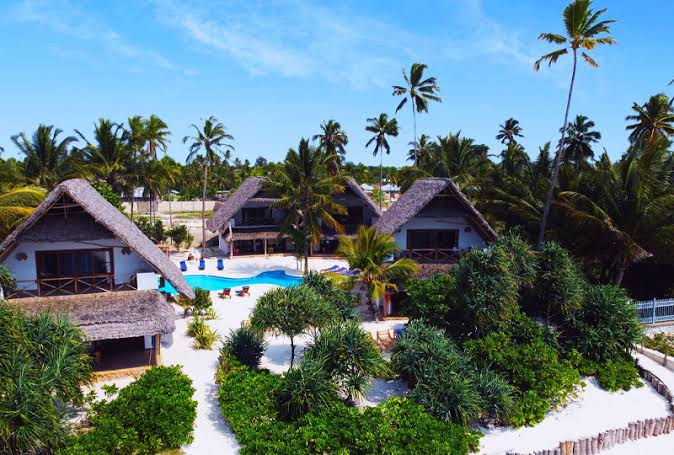
Zanzibar honeymoon resorts vary a lot depending on which part of the island you choose, so it’s less about finding “the best resort” and more about matching the location to what you actually want out of the stay.
Nungwi and Kendwa — beaches and sunsets
These northern beaches are the classic choice — clear water, reliable sunsets, and a decent spread of restaurants and evening spots if you want some nightlife alongside the romance.
Matemwe — quieter honeymoon escape
Matemwe trades energy for privacy. It’s a slower stretch of coast, well suited to couples who want to actually relax rather than socialize, with good access to snorkeling and diving nearby.
Paje — laid-back and active
Paje leans younger and more active, largely thanks to the kitesurfing scene. It’s a good fit if you want a beach honeymoon with a bit more buzz to it.
Stone Town — culture before the beach
A short stay in Stone Town before heading to the coast adds some cultural texture to the trip — narrow historic streets, good food, and a different pace entirely from the resorts.
How to choose a honeymoon resort
Compare beach quality, privacy, room type, and what’s actually included in the meal plan. Check the airport transfer time, whether water activities are nearby, and if there’s a spa if that matters to you. Location relative to what you actually plan to do usually matters more than star ratings.
Should You Add an African Safari Before Zanzibar?
This is where the trip can grow into something bigger. Some of the best African tours combine Kilimanjaro, a safari through the Serengeti or Ngorongoro Crater, and a Zanzibar stay all in one loop. Others skip the mountain entirely and focus purely on safari plus beach, which suits travelers short on time or not up for a multi-day climb. A trekking-focused trip, a safari-focused trip, and a full adventure-plus-honeymoon itinerary are three genuinely different products, and it’s worth being honest with yourself about which one you actually want before booking.
Sample Kilimanjaro + Zanzibar Trip Structure
Days 1–2: Arrival in Tanzania and pre-trek preparation Days 3–8/9: Kilimanjaro trek, length depending on route Next day: Rest and recovery Following days: Zanzibar Optional add-on: Safari before heading to the coast
Exact day counts shift depending on the route and operator, so treat this as a framework rather than a fixed template.
Booking Kilimanjaro Trekking Tours: What Makes a Good Operator?
Price shouldn’t be the deciding factor — inclusions and safety practices matter more. Look for experienced guides, clear breakdowns of what’s covered, proper emergency protocols, and fair treatment of porters, which says a lot about how a company runs things generally. It’s worth comparing a few established local operators, including companies like Africa Joy Tours, and checking their itineraries, inclusions, and traveler feedback before settling on one.
Common Mistakes to Avoid
A few things trip people up again and again: picking a route purely because it’s the cheapest, underestimating how altitude affects even fit people, trying to rush summit night, packing only for warm weather and forgetting the cold up top, cramming Zanzibar activities in immediately after the trek, and booking a honeymoon resort without actually checking what the beach looks like at low tide.
Final Thought
Kilimanjaro tests you, safari shows you something wild, and Zanzibar gives you a reason to slow back down. Pick your route based on your actual fitness and timeline rather than what’s cheapest, give your body room to acclimatize, and choose your Zanzibar stay based on the kind of honeymoon you actually want rather than the first resort that shows up in search results. If you’re weighing up how to fit trekking, safari, and beach time into the days you’ve got, it’s worth working out a route and itinerary that actually matches your pace rather than forcing a generic package to fit.
FAQs — Real Questions Travelers Ask Google
What is the best Kilimanjaro route for first-time trekkers? There’s no single answer — it depends on your fitness, how many days you can spare, and how your body tends to handle altitude. Longer routes generally give better acclimatization.
How many days do I need to climb Mount Kilimanjaro? Anywhere from 6 to 9 days depending on the route, with longer itineraries generally giving your body more time to adjust.
How difficult is a Kilimanjaro trekking tour? The walking is manageable for most reasonably fit people; the real challenge is altitude, cold summit-night conditions, and pacing yourself properly.
Can I combine a Kilimanjaro trek with a Zanzibar honeymoon? Yes, and it’s a popular combination. Just build in a recovery day between the mountain and the beach.
Which Zanzibar honeymoon resorts are best for couples? It depends on what you want — lively beaches like Nungwi, quiet privacy in Matemwe, or an active vibe in Paje. There’s no universal best.
Can I combine Kilimanjaro, an African safari and Zanzibar? Yes. Many travelers build a Tanzania itinerary that covers the mountain, a safari through the Serengeti or Ngorongoro, and a Zanzibar stay to close things out.