Lighting is one of the most powerful tools in event production, shaping the mood, energy, and overall experience of any gathering. Whether it is a wedding reception, a corporate party, or a full scale concert, the right lighting setup can transform an ordinary space into something memorable. This article explores the essentials of stage lighting, the equipment involved, and how to choose the best setup for your event.
Understanding Stage Lighting and Its Role in Events
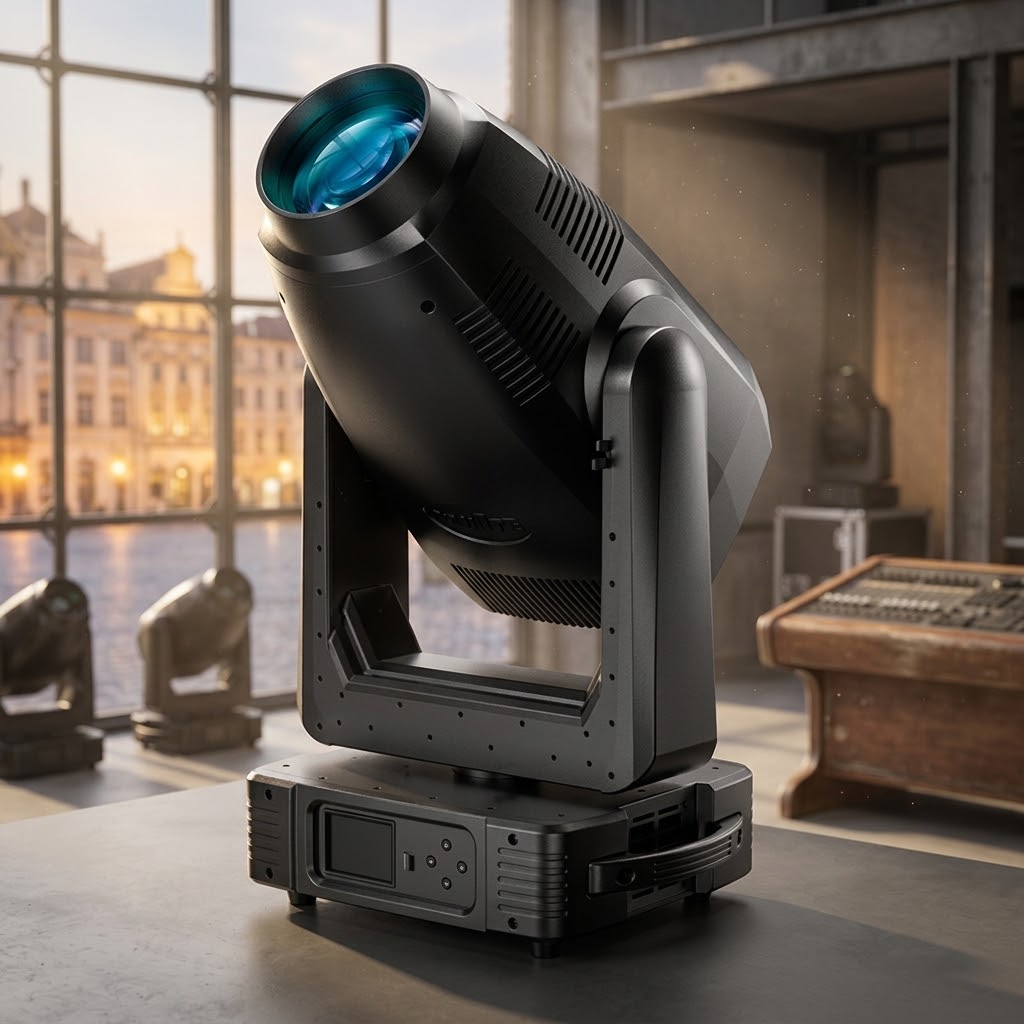
Stage lighting is more than just illumination, it is a design element that helps tell a story. A well planned lighting scheme can highlight performers, create depth on a stage, and guide the audience’s attention exactly where it needs to be. Among the many tools used by lighting designers, moving head lights have become a favorite for their flexibility and dynamic movement.
These fixtures can pan, tilt, and change colors automatically, allowing event planners to create effects that were once only possible with large, complicated rigs. Because of their versatility, moving head lights are now a staple in weddings, parties, and large scale entertainment productions, giving organizers the ability to shift the atmosphere throughout the night with minimal manual adjustment.
Good lighting also plays a psychological role. Warm tones can create intimacy, while cooler tones often energize a crowd. Understanding these basics helps event planners and lighting technicians make decisions that align with the tone of the occasion, whether that is a romantic wedding ceremony or a high energy dance party.
Types of Stage Lights Used in Modern Productions
There is a wide variety of stage lighting fixtures, each designed for a specific purpose. Spotlights are used to draw focus to a single point, such as a speaker or a performer. Par lights offer broad, even coverage and are commonly used for general stage illumination. LED strip lights are popular for adding accents along stages, walls, or truss structures, giving a clean and modern look to any venue.
Intelligent lighting fixtures, which include automated systems capable of changing colors, patterns, and positions, have grown in popularity due to their programmability. These fixtures can be synced with music, allowing lighting to pulse and shift in time with the beat, creating an immersive experience for guests. As technology advances, many of these fixtures are becoming more energy efficient, using LED technology instead of traditional halogen or incandescent bulbs, which reduces heat output and lowers electricity costs for long events.
How Lighting Enhances Weddings and Parties
For weddings, lighting is often used to create a romantic and elegant atmosphere. Soft amber or pink hues are frequently chosen for the reception area, while uplighting along walls or drapery adds a sense of grandeur to the venue. Many couples also choose to highlight their first dance with a spotlight or a subtle color wash that shifts gently throughout the performance, adding emotional depth to the moment.
Parties, on the other hand, often call for bolder and more energetic lighting choices. Bright colors, strobe effects, and fast moving patterns are common at birthday celebrations, corporate events, and nightclub style gatherings. The goal is to keep the energy high and encourage guests to stay engaged and active on the dance floor. Lighting designers often combine several types of fixtures to achieve a layered effect, ensuring that no part of the venue feels flat or underlit.
Choosing the Right Lighting Equipment for Your Event
Selecting the correct lighting setup depends on several factors, including the size of the venue, the type of event, and the budget available. For smaller gatherings, a simple combination of ambient and accent lighting may be sufficient. Larger events, such as concerts or big wedding receptions, often require more advanced systems that include a mix of moving fixtures and static units to cover the entire space effectively.
Wash lights are particularly useful in this context, as they are designed to cover large areas with smooth, even color, making them ideal for illuminating backdrops, stages, or entire rooms without harsh shadows. Because they can blend seamlessly with other fixtures, wash lights are often used alongside spotlights and moving heads to create a balanced and visually appealing environment. Event planners who want a cohesive look throughout their venue often rely on wash lighting as the foundation, then layer in more specific effects for added detail.
Budget is another important consideration. While professional lighting rental services can provide top tier equipment along with technical support, smaller events may opt to purchase affordable fixtures for long term use. It is important to weigh the frequency of use against the cost of ownership, as regular event planners or venues may find it more economical to invest in their own equipment over time.
Tips for Working with Lighting Professionals
If you are planning a large event, working with an experienced lighting technician can make a significant difference. These professionals understand how to balance different fixtures, avoid overpowering certain areas, and create a seamless flow of light that matches the rhythm of the event. Communicating your vision clearly, including preferred colors, themes, and key moments you want highlighted, will help the technician design a setup that meets your expectations.
For those who want to explore more detailed information about stage lighting equipment and options, additional resources are available at https://www.xmlitelighting.com, which offers insights into various lighting products suited for weddings, parties, and entertainment venues.
Conclusion
Stage lighting plays a crucial role in shaping the atmosphere of any event, from intimate weddings to high energy parties. Understanding the different types of fixtures, including moving head lights and wash lights, allows event planners to design spaces that are both functional and visually striking. By carefully considering the venue, the mood you want to create, and the budget available, you can achieve a lighting setup that leaves a lasting impression on your guests. Whether working with professionals or handling the setup yourself, thoughtful lighting design is an investment that enhances every aspect of the event experience.