Modern city life offers countless ways to spend one’s free time. For many, cafés, concerts, restaurants, streaming services, or a quiet evening on the sofa are all part of the routine. At the same time, there is a growing desire to incorporate more physical activity into daily life. This is not necessarily about achieving peak athletic performance; rather, movement is increasingly viewed as a natural component of a balanced lifestyle.
From Traditional Sports to Flexible Leisure Activities
For a long time, sports were associated with rigid structures: going to the gym at set times, attending a class, or training according to a specific plan. While these forms remain popular, they do not always fit into a daily routine shaped by fluctuating work hours, social obligations, and spontaneous activities.
As a result, more flexible options are emerging. A walk after work, a quick morning yoga session, cycling on the weekend, or a short strength-training workout can all be part of how one spends leisure time. What matters most is not how professional an activity looks, but whether it can be sustainably integrated into one’s daily life.
Why City Life Is Giving Rise to New Forms of Physical Activity
Time has become a precious resource, especially in cities. Between work, commuting, shopping, and social engagements, there isn’t always room for a long, dedicated workout session. At the same time, many people spend a large part of the day sitting down.
Short bursts of activity can offer a practical solution here. Instead of viewing exercise solely as a separate event, it can be spread throughout the day. A walk during a lunch break, a few exercises between appointments, or an active weekend can all help incorporate more movement into daily life.
This trend is also changing the perception of what “training” actually means. Not every activity has to follow a strict training plan. For many people, the priority is simply finding a form of movement that fits their own personal rhythm.
Moving between home and the world outside
Leisure time today takes place in many different settings. A visit to the park, a bike ride during your commute, or a walk through the neighborhood can be just as much a part of an active lifestyle as a workout at home.
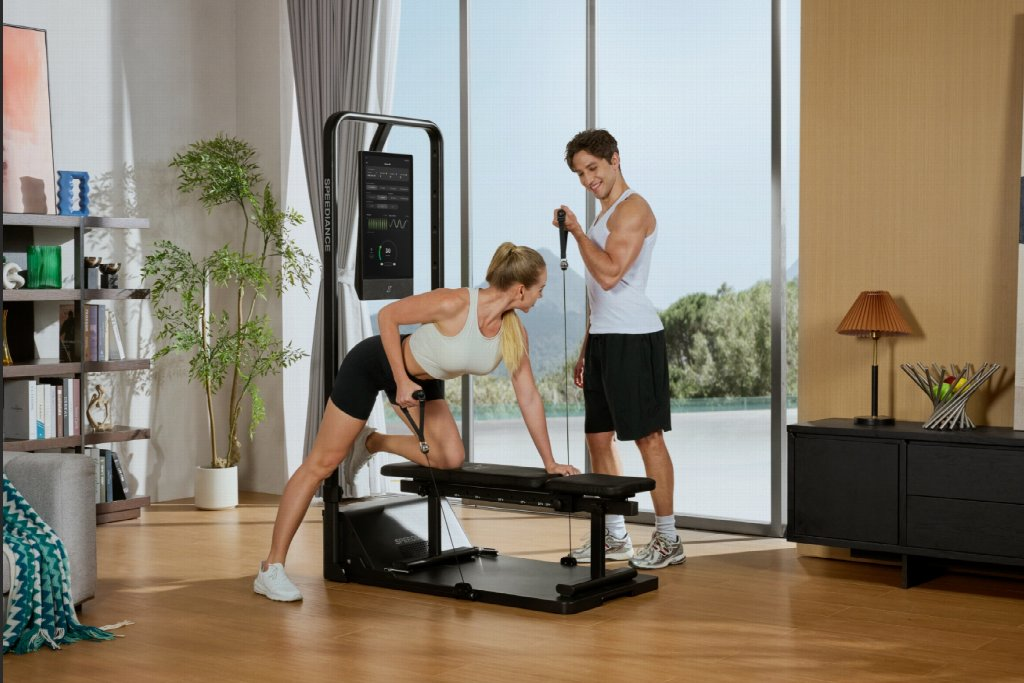
Exercising within your own four walls offers a practical advantage: it can be integrated into your daily routine without the need for extra travel. Modern home gym equipment enables various types of training in a relatively small space, making it particularly appealing to those who value flexibility. The Gym Monster 2, for instance, demonstrates how versatile strength training can be incorporated into a modern home without requiring a dedicated fitness room.
Your home doesn’t have to turn into a traditional gym; even a small, well-organized area can be enough to stay active regularly. What matters most is keeping the barrier to physical activity as low as possible.
How technology is transforming home workouts
Digital technologies are also shaping how people organize their leisure time and workouts. Connected fitness solutions can track data, structure exercises, and integrate various training options, allowing home workouts to be better tailored to individual needs.
Speediance training equipment is one example of this, combining strength training with digital features. Such systems show how technological advancements can fit into existing lifestyles without turning exercise into a completely separate part of the day.
The real benefit of digital solutions lies not just in their extra features, but in their ability to make workouts easier to plan and more flexible to access. This flexibility can be crucial, especially for people with varied daily routines.
Leisure time free from constant pressure to perform
The growing importance of physical activity does not automatically mean that leisure time must become increasingly performance-oriented. On the contrary, for many people today, the focus is on finding balance.
Physical activity can help you consciously step back from the daily grind after a long day at work. A casual workout, a session outdoors, or a few simple exercises at home can be just as much a part of personal downtime as an evening on the sofa.
This perspective changes how we approach exercise. Instead of focusing solely on calories, workout duration, or personal bests, the emphasis shifts to well-being, consistency, and the joy of the activity itself.
A new balance between the sofa and activity
The sofa is by no means the antithesis of an active lifestyle. Rest is just as essential to balanced leisure time as physical activity. The real challenge lies in finding a personal balance between the two.
For some, this means fitting in a quick workout after work. Others prefer a long weekend walk or a bike ride with friends. Still others combine different activities depending on time, weather, and their mood.
It is precisely this freedom that makes physical activity an integral part of modern leisure culture. It does not always have to be planned, intense, or particularly time-consuming; what matters most is that it fits into one’s own life.
Physical activity becomes part of the modern lifestyle
The boundaries between sports, leisure, and everyday life are becoming increasingly blurred. People are looking for ways to stay active without having to structure their entire free time around a rigid training schedule. Urban living reinforces this desire for flexibility, while digital technologies create new possibilities.
Ultimately, this trend does not mean that leisure time must become increasingly active; rather, it is about having a wider range of choices. There are countless ways to incorporate movement into daily life, ranging from a relaxed evening at home to an intense workout.
In this way, physical activity is less and less viewed as an isolated athletic pursuit. It is evolving into a natural part of modern leisure culture—flexible enough for city living and individual enough to find its own place alongside the sofa, work, social activities, and personal interests.